logo

EbookBell.com

Most ebook files are in PDF format, so you can easily read them using various software such as Foxit Reader or directly on the Google Chrome browser.
Some ebook files are released by publishers in other formats such as .awz, .mobi, .epub, .fb2, etc. You may need to install specific software to read these formats on mobile/PC, such as Calibre.

Please read the tutorial at this link:  https://ebookbell.com/faq 


We offer FREE conversion to the popular formats you request; however, this may take some time. Therefore, right after payment, please email us, and we will try to provide the service as quickly as possible.


For some exceptional file formats or broken links (if any), please refrain from opening any disputes. Instead, email us first, and we will try to assist within a maximum of 6 hours.

EbookBell Team
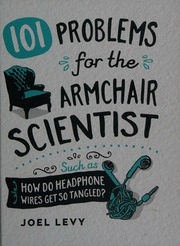
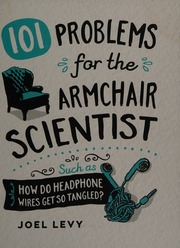
101 Problems For The Armchair Scientist Such As How Do Headphone Wires Get So Tangled Levy

  • SKU: BELL-238363338
101 Problems For The Armchair Scientist Such As How Do Headphone Wires Get So Tangled Levy
$ 35.00 $ 45.00 (-22%)

5.0

80 reviews

101 Problems For The Armchair Scientist Such As How Do Headphone Wires Get So Tangled Levy instant download after payment.

Publisher: New York : Metro Books
File Extension: PDF
File size: 10.94 MB
Author: Levy, Joel, 1971- author, Windsor, Matthew, illustrator
Language: English
Year: 2017

Product desciption

101 Problems For The Armchair Scientist Such As How Do Headphone Wires Get So Tangled Levy by Levy, Joel, 1971- Author, Windsor, Matthew, Illustrator instant download after payment.

224 pages : 22 cm, Is running always faster than walking? If you froze your hand in liquid nitrogen and hit it with a hammer, would it shatter? Could you survive in a falling elevator by jumping as it hit the ground? Why can't a fly get out of the toilet? This fascinating foray into the world of science tackles some perplexing problems that have baffled even the brainiest of scientists. It presents you with 101 imaginative scenarios--from everyday life to the human body, and from the natural world to outer space--and provides the scientific reasons or theories behind why they are possible. Including: why an ant can survive in a microwave; why some people sneeze when they see bright light; and why it takes longer for a ball to come down than go up. - Back cover, Original published by Quid Publishing, Includes bibliographical references and index

Related Products