logo

EbookBell.com

Most ebook files are in PDF format, so you can easily read them using various software such as Foxit Reader or directly on the Google Chrome browser.
Some ebook files are released by publishers in other formats such as .awz, .mobi, .epub, .fb2, etc. You may need to install specific software to read these formats on mobile/PC, such as Calibre.

Please read the tutorial at this link:  https://ebookbell.com/faq 


We offer FREE conversion to the popular formats you request; however, this may take some time. Therefore, right after payment, please email us, and we will try to provide the service as quickly as possible.


For some exceptional file formats or broken links (if any), please refrain from opening any disputes. Instead, email us first, and we will try to assist within a maximum of 6 hours.

EbookBell Team
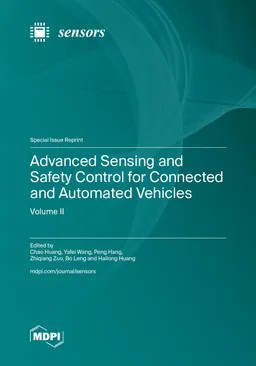
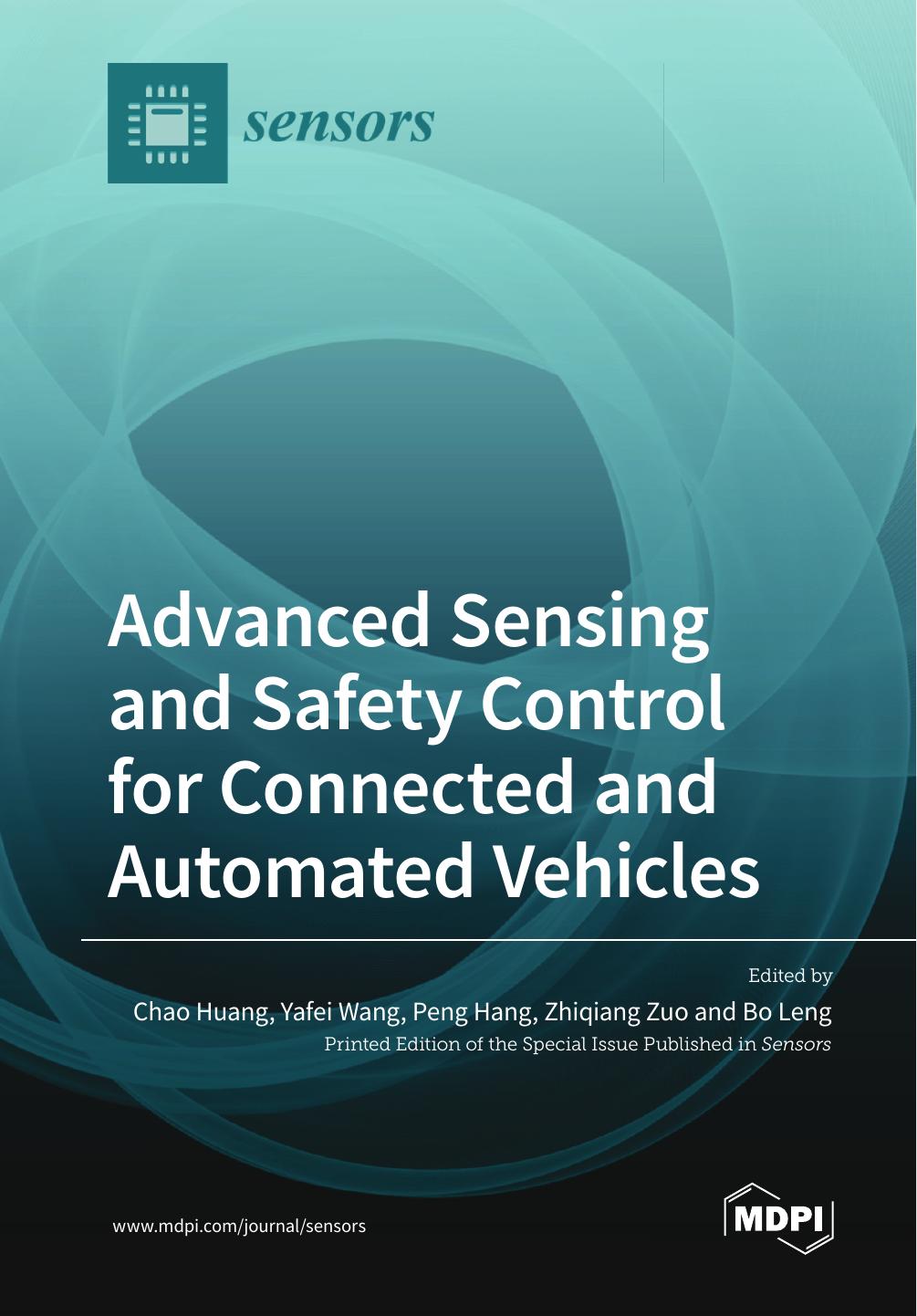
Advanced Sensing And Safety Control For Connected And Automated Vehicles Volume 2 Chao Huang

  • SKU: BELL-236131000
Advanced Sensing And Safety Control For Connected And Automated Vehicles Volume 2 Chao Huang
$ 35.00 $ 45.00 (-22%)

0.0

0 reviews

Advanced Sensing And Safety Control For Connected And Automated Vehicles Volume 2 Chao Huang instant download after payment.

Publisher: MDPI
File Extension: PDF
File size: 29.4 MB
Pages: 266
Author: Chao Huang, Yafei Wang, Peng Hang, Zhiqiang Zuo, Bo Leng, Hailong Huang
ISBN: 9783725826605, 9783725826599, 3725826609, 3725826595
Language: English
Year: 2025
Volume: 2

Product desciption

Advanced Sensing And Safety Control For Connected And Automated Vehicles Volume 2 Chao Huang by Chao Huang, Yafei Wang, Peng Hang, Zhiqiang Zuo, Bo Leng, Hailong Huang 9783725826605, 9783725826599, 3725826609, 3725826595 instant download after payment.

Connected and automated vehicles (CAVs) are a transformative technology expected to change and improve the safety and efficiency of mobile vehicles. As the main functional components of CAVs, advanced sensing technologies and control algorithms, which gather environmental information, process data, and control vehicle motion, are of great importance. The development of novel sensing technologies for CAVs has become a research hot spot in recent years. Thanks to improved sensing technologies, CAVs can interpret sensory information to detect obstacles, localize their positions, navigate, and interact with vehicles in the surrounding dynamic environment. Further, by leveraging computer vision and other sensing methods, these vehicles can recognize in-cabin human body activities, facial emotions, and mental states.

Related Products