logo

EbookBell.com

Most ebook files are in PDF format, so you can easily read them using various software such as Foxit Reader or directly on the Google Chrome browser.
Some ebook files are released by publishers in other formats such as .awz, .mobi, .epub, .fb2, etc. You may need to install specific software to read these formats on mobile/PC, such as Calibre.

Please read the tutorial at this link:  https://ebookbell.com/faq 


We offer FREE conversion to the popular formats you request; however, this may take some time. Therefore, right after payment, please email us, and we will try to provide the service as quickly as possible.


For some exceptional file formats or broken links (if any), please refrain from opening any disputes. Instead, email us first, and we will try to assist within a maximum of 6 hours.

EbookBell Team
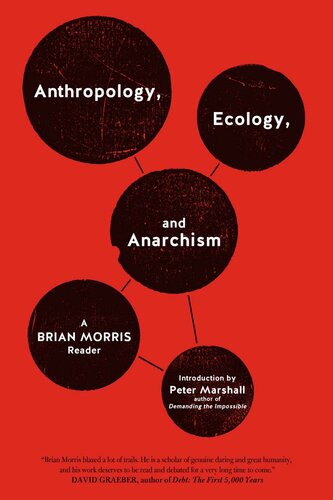
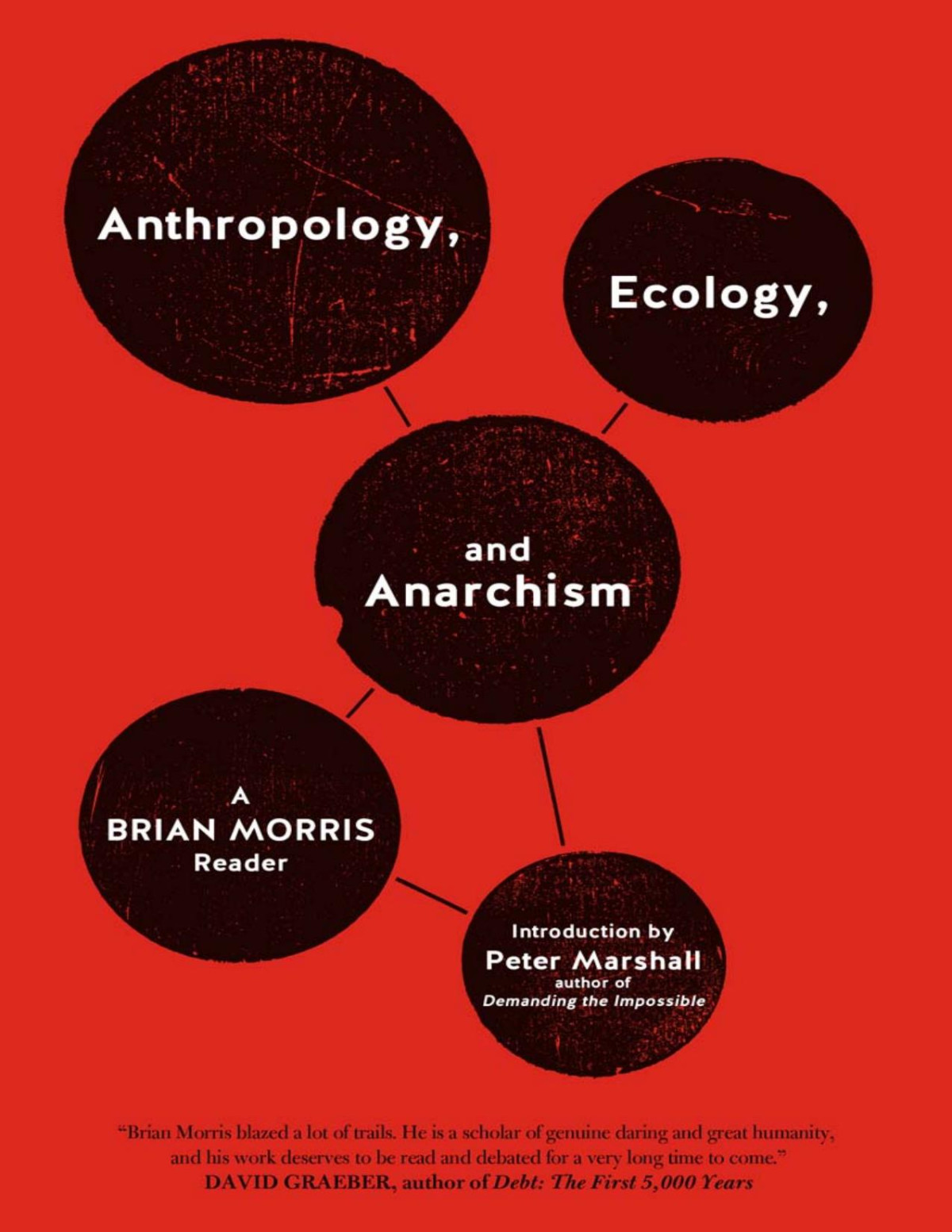
Anthropology Ecology And Anarchism A Brian Morris Reader Brian Morris

  • SKU: BELL-10917326
Anthropology Ecology And Anarchism A Brian Morris Reader Brian Morris
$ 35.00 $ 45.00 (-22%)

4.3

68 reviews

Anthropology Ecology And Anarchism A Brian Morris Reader Brian Morris instant download after payment.

Publisher: PM Press
File Extension: EPUB
File size: 2.64 MB
Pages: 288
Author: Brian Morris
ISBN: 9781604869866, 1604869860
Language: English
Year: 2014

Product desciption

Anthropology Ecology And Anarchism A Brian Morris Reader Brian Morris by Brian Morris 9781604869866, 1604869860 instant download after payment.

Over the course of a long career, Brian Morris has created an impressive body of engaging and insightful writings—from social anthropology and ethnography to politics, history, and philosophy—that is accessible to the layperson without sacrificing analytical rigor. But until now, the essays collected here, originally published in obscure journals and political magazines, have been largely unavailable to the broad readership to which they are so naturally suited. The opposite of arcane, specialized writing, Morris’s work takes an interdisciplinary approach that offers connections between various scholarly interests and anarchist politics and thought. There is a long history of anarchist writers drawing upon works in a range of fields, and Morris’s essays both explore past connections and suggest ways that broad currents of anarchist thought will have new and ever-emerging relevance for anthropology and many other ways of understanding social relationships.

Related Products