Most ebook files are in PDF format, so you can easily read them using various software such as Foxit Reader or directly on the Google Chrome browser.
Some ebook files are released by publishers in other formats such as .awz, .mobi, .epub, .fb2, etc. You may need to install specific software to read these formats on mobile/PC, such as Calibre.
Please read the tutorial at this link: https://ebookbell.com/faq
We offer FREE conversion to the popular formats you request; however, this may take some time. Therefore, right after payment, please email us, and we will try to provide the service as quickly as possible.
For some exceptional file formats or broken links (if any), please refrain from opening any disputes. Instead, email us first, and we will try to assist within a maximum of 6 hours.
EbookBell Team
4.7
36 reviewsLost glossary and index section from the book.
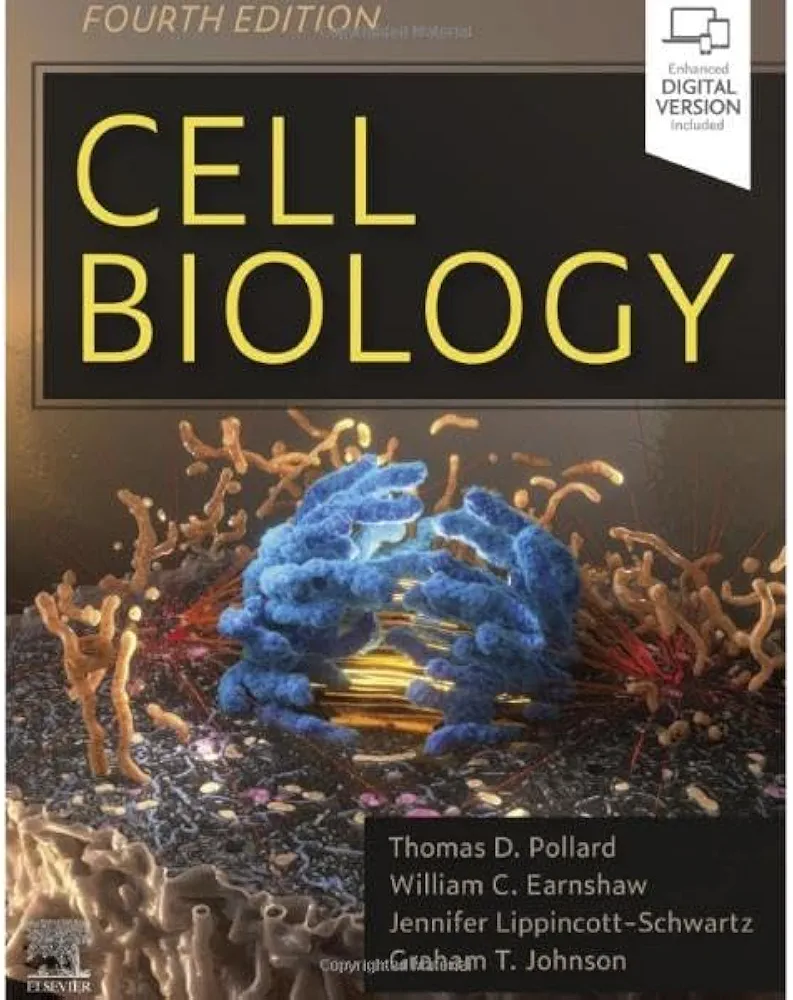
Reader-friendly, provides a concise but comprehensive foundation for students entering research or health care career paths. Award winning illustrations help readers quickly grasp general principles. The authors have thoroughly updated this popular text to provide readers with the current understanding of the principles of normal cellular function along with examples of how molecular defects predispose to human disease. Major new themes in the 4th edition include the roles of intrinsically disordered polypeptides and phase separation in cellular functions, the influence of new molecular structures on understanding mechanisms, and the impact of exciting new methods-from single cell RNA sequencing to second generation super resolution fluorescence microscopy-on advancing our understanding. Clear, readable explanations provide a concise story about how cells function at the molecular level. An intuitive chapter flow starts with genome organization, gene expression, and RNA processing as a foundation for understanding every aspect of cellular function and physiology. Brings cellular biology to life for students interested in medical science by explaining how mutations in genes can compromise virtually every cellular system and predispose to human disease. Knowledge of cell biology has led to new treatments for cancer, heart failure, cystic fibrosis, and many other diseases. Unique illustrations with realistic proportions and relationships explain every cellular process including the assembly of SARS CoV-2, the structures attaching mitotic chromosomes to microtubules, the mechanism of DNA replication and how pumps, carriers and channels orchestrate physiological processes from synaptic transmission to cellular volume regulation. Covers exciting breakthroughs such as SMC motor proteins actively organizing chromosomal DNA, TOR kinases regulating metabolism, new types of immunotherapy for cancer treatment, mechanisms regulating
…