logo

EbookBell.com

Most ebook files are in PDF format, so you can easily read them using various software such as Foxit Reader or directly on the Google Chrome browser.
Some ebook files are released by publishers in other formats such as .awz, .mobi, .epub, .fb2, etc. You may need to install specific software to read these formats on mobile/PC, such as Calibre.

Please read the tutorial at this link:  https://ebookbell.com/faq 


We offer FREE conversion to the popular formats you request; however, this may take some time. Therefore, right after payment, please email us, and we will try to provide the service as quickly as possible.


For some exceptional file formats or broken links (if any), please refrain from opening any disputes. Instead, email us first, and we will try to assist within a maximum of 6 hours.

EbookBell Team
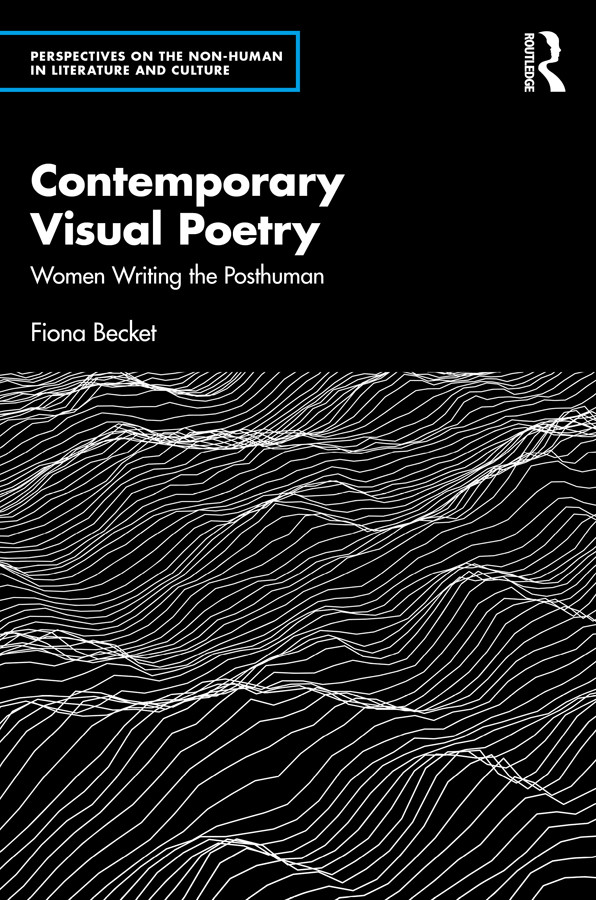
Contemporary Visual Poetry Women Writing The Posthuman Fiona Becket

  • SKU: BELL-239577628
Contemporary Visual Poetry Women Writing The Posthuman Fiona Becket
$ 35.00 $ 45.00 (-22%)

4.1

20 reviews

Contemporary Visual Poetry Women Writing The Posthuman Fiona Becket instant download after payment.

Publisher: Routledge
File Extension: EPUB
File size: 1.85 MB
Author: Fiona Becket
Language: English
Year: 2025

Product desciption

Contemporary Visual Poetry Women Writing The Posthuman Fiona Becket by Fiona Becket instant download after payment.

This book examines contemporary visual poetry and how conceptual writing, poem-objects, and computational texts shape a posthumanist understanding that is “ldquo;situated”. First, the eye is theorised with respect to ethical understanding. When visual poets reclaim vision, visual poetics becomes a feminist praxis. In Paula Claire and Maggie O’Sullivan, visual poetry becomes an ecological practice concerned with connectivity in the entanglements of natureculture. In O’Sullivan, Campanello, Bergvall, and Philip, spatial and temporal sense (de)formation sustains radical forms of voicing and eyewitness. Finally, works by Mez Breeze and Stephanie Strickland expand our understanding of visual poetry in digital (electronic, virtual reality, and artificial intelligence) contexts in which technology and affect are intimately connected. These visual texts open up Braidotti’s question with respect to how we are to “visualize the subject as a transversal entity encompassing the human, our genetic neighbours the animals and the earth as a whole, and to do so within an understandable language”.

Related Products