Most ebook files are in PDF format, so you can easily read them using various software such as Foxit Reader or directly on the Google Chrome browser.
Some ebook files are released by publishers in other formats such as .awz, .mobi, .epub, .fb2, etc. You may need to install specific software to read these formats on mobile/PC, such as Calibre.
Please read the tutorial at this link: https://ebookbell.com/faq
We offer FREE conversion to the popular formats you request; however, this may take some time. Therefore, right after payment, please email us, and we will try to provide the service as quickly as possible.
For some exceptional file formats or broken links (if any), please refrain from opening any disputes. Instead, email us first, and we will try to assist within a maximum of 6 hours.
EbookBell Team
4.0
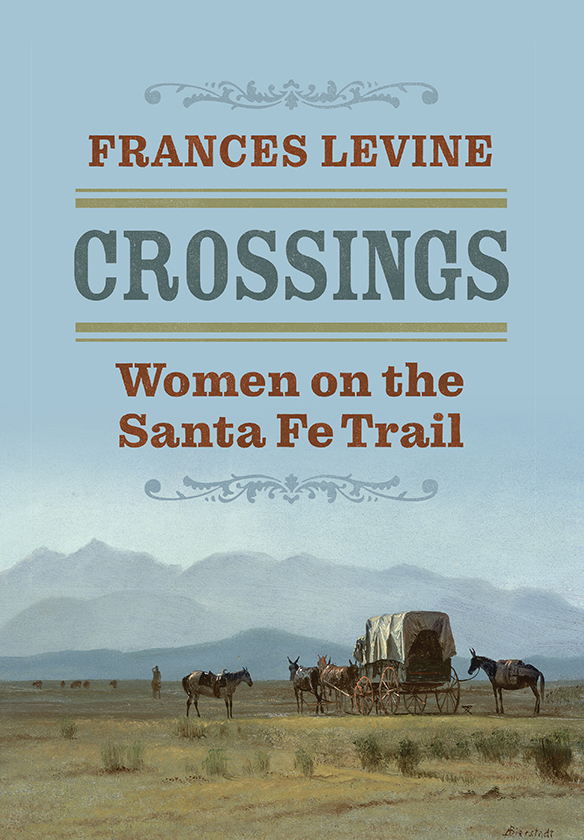
76 reviewsThe Santa Fe Trail has a special allure in southwestern history—it was a road of lucrative commerce, military expansion, and great adventure. Because these themes are connected with the Santa Fe Trail in the American imagination, however, the trail is not often associated with stories of women. Crossings tells the personal stories of several women who made the journey, showing how they were involved with and affected by Santa Fe Trail trade. The Santa Fe Trail was a nexus of nations and cultures, connecting the northern frontier of newly formed Mexico with the quickly expanding western United States, as well as with the many Indigenous nations whose traditional lands it crossed. With her attention on women, Frances Levine enriches our understanding of the Santa Fe Trail and shows how interregional trade affected society, politics, and culture.
Through diaries, letters, and firsthand accounts, Levine seeks to understand the experiences of women who journeyed from St. Louis to Santa Fe, as well as some who made an eastward crossing. Crossings focuses on women who traveled during the most crucial period of Santa Fe Trail trade from the early 1820s to the later 1870s, ending as railroads made cross-continental movement a safer and more leisurely experience for travelers. Several of the women made multiple crossings, adding to the depth of their observations of the changing country and dispelling the myth of women in this period as averse to the risks of trail life.
Crossings introduces readers to the stories of women such as the Comanche captive María Rosa Villalpando; Carmel Benavides Robidoux and Kit Carson’s half-Arapaho daughter Adaline, both of whose lives were dramatically impacted by American expansion; suffragist Julia Anna Archibald Holmes; Kate Messervy Kingsbury, who sought health on the trail west; diarist Susan Shelby Magoffin and her enslaved servant Jane; army wife Anna Maria De Camp Morris; Jewish pioneers Betty and Flora Spiegelberg; and many others. As a