Most ebook files are in PDF format, so you can easily read them using various software such as Foxit Reader or directly on the Google Chrome browser.
Some ebook files are released by publishers in other formats such as .awz, .mobi, .epub, .fb2, etc. You may need to install specific software to read these formats on mobile/PC, such as Calibre.
Please read the tutorial at this link: https://ebookbell.com/faq
We offer FREE conversion to the popular formats you request; however, this may take some time. Therefore, right after payment, please email us, and we will try to provide the service as quickly as possible.
For some exceptional file formats or broken links (if any), please refrain from opening any disputes. Instead, email us first, and we will try to assist within a maximum of 6 hours.
EbookBell Team
5.0
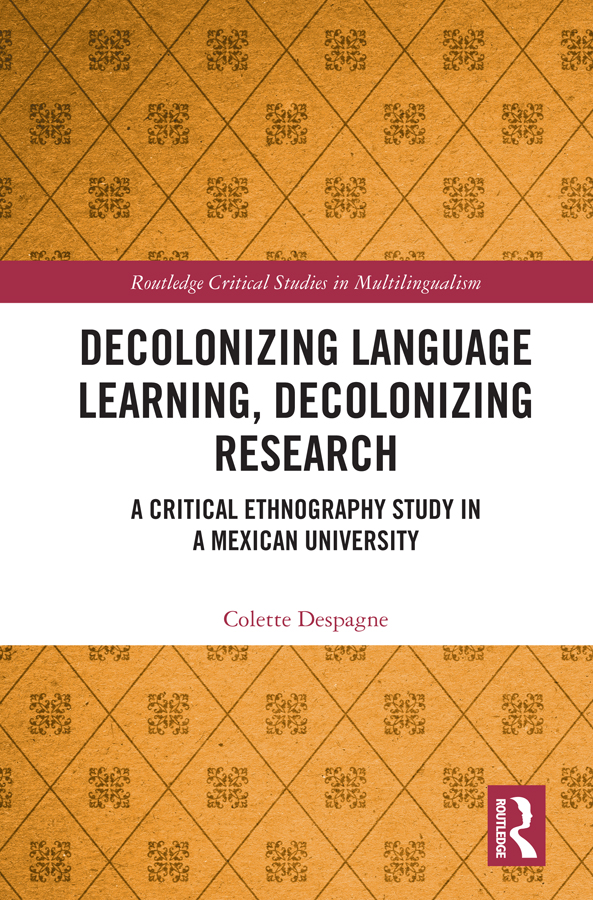
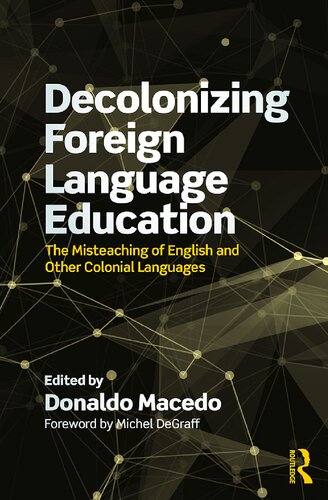
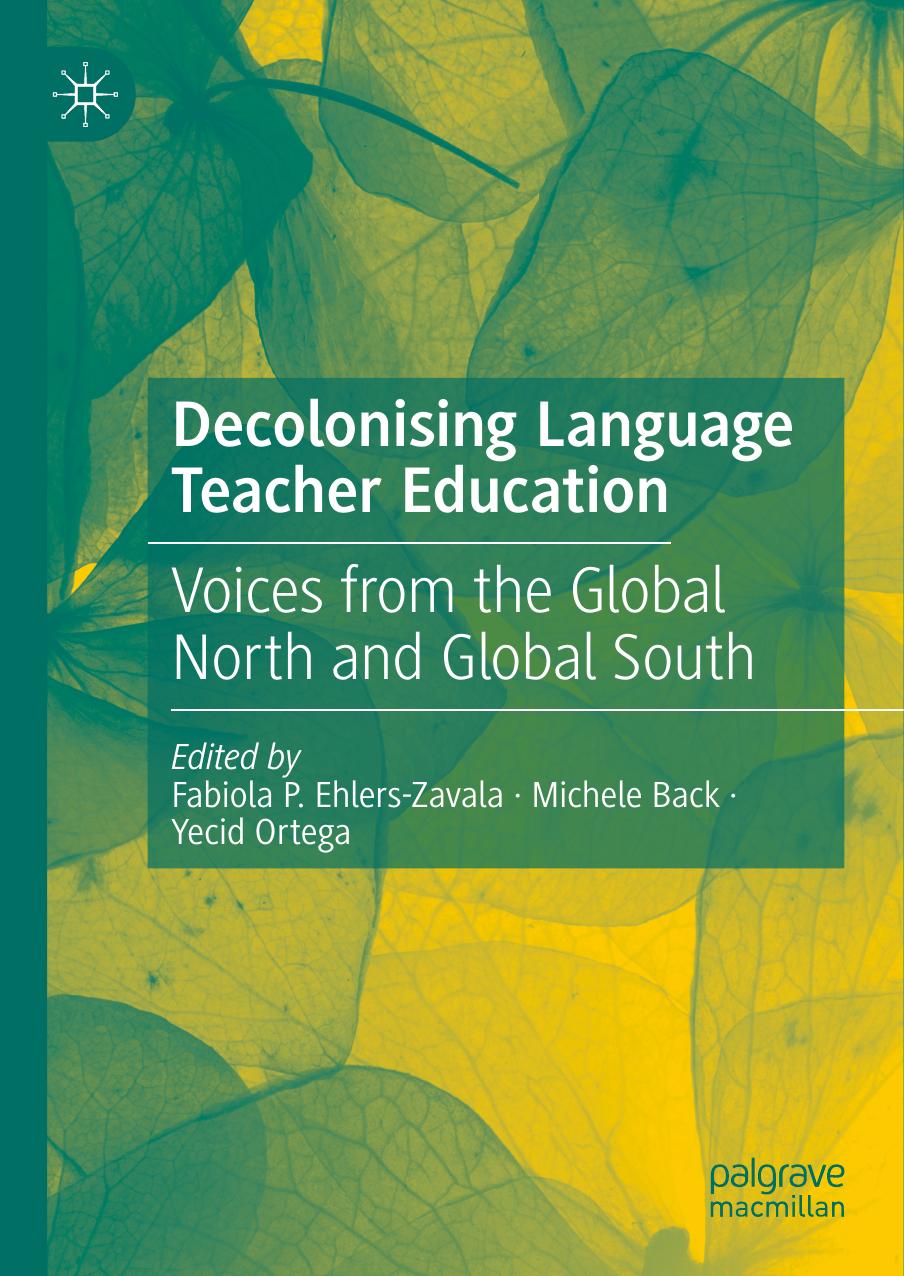
78 reviewsOrganized into three sections—challenges, programs, and strategies—the volume first explores systemic barriers that continue to shape language education. It then highlights successful models from varied global contexts, including Southeast Asia, Europe, and the Americas, that reimagine language teacher preparation through critical pedagogy, translanguaging, and community collaboration. The final section offers practical strategies for future action, such as the ethical use of technology to empower marginalized voices in the classroom.
With key themes of decolonization, applied linguistics, language teacher education, social justice, and Global North–Global South collaboration, this collection provides essential insights for educators, researchers, and policymakers seeking to reshape language teaching in more equitable and culturally responsive ways.