Most ebook files are in PDF format, so you can easily read them using various software such as Foxit Reader or directly on the Google Chrome browser.
Some ebook files are released by publishers in other formats such as .awz, .mobi, .epub, .fb2, etc. You may need to install specific software to read these formats on mobile/PC, such as Calibre.
Please read the tutorial at this link: https://ebookbell.com/faq
We offer FREE conversion to the popular formats you request; however, this may take some time. Therefore, right after payment, please email us, and we will try to provide the service as quickly as possible.
For some exceptional file formats or broken links (if any), please refrain from opening any disputes. Instead, email us first, and we will try to assist within a maximum of 6 hours.
EbookBell Team
5.0
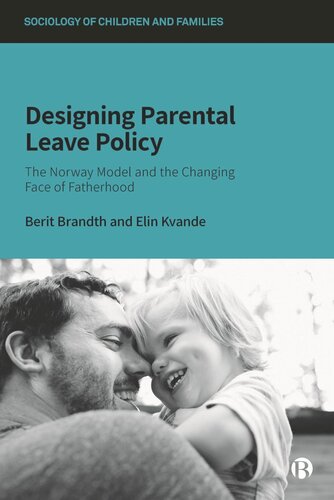
48 reviewsNordic countries lead the way in facilitating better work-family integration through their design of parental leave policies that encourage men towards life courses with greater care responsibilities. Based on original research, this compelling book offers a novel analysis of the everyday parental practices of fathers and parents in Norway as a way of understanding the workings of labour market and welfare policies, whilst considering how migrant fathers might relate to the expectations such laws generate. The authors showcase how this style of men’s care work constitutes a re-gendering of men by promoting ‘caring masculinities’.