logo

EbookBell.com

Most ebook files are in PDF format, so you can easily read them using various software such as Foxit Reader or directly on the Google Chrome browser.
Some ebook files are released by publishers in other formats such as .awz, .mobi, .epub, .fb2, etc. You may need to install specific software to read these formats on mobile/PC, such as Calibre.

Please read the tutorial at this link:  https://ebookbell.com/faq 


We offer FREE conversion to the popular formats you request; however, this may take some time. Therefore, right after payment, please email us, and we will try to provide the service as quickly as possible.


For some exceptional file formats or broken links (if any), please refrain from opening any disputes. Instead, email us first, and we will try to assist within a maximum of 6 hours.

EbookBell Team
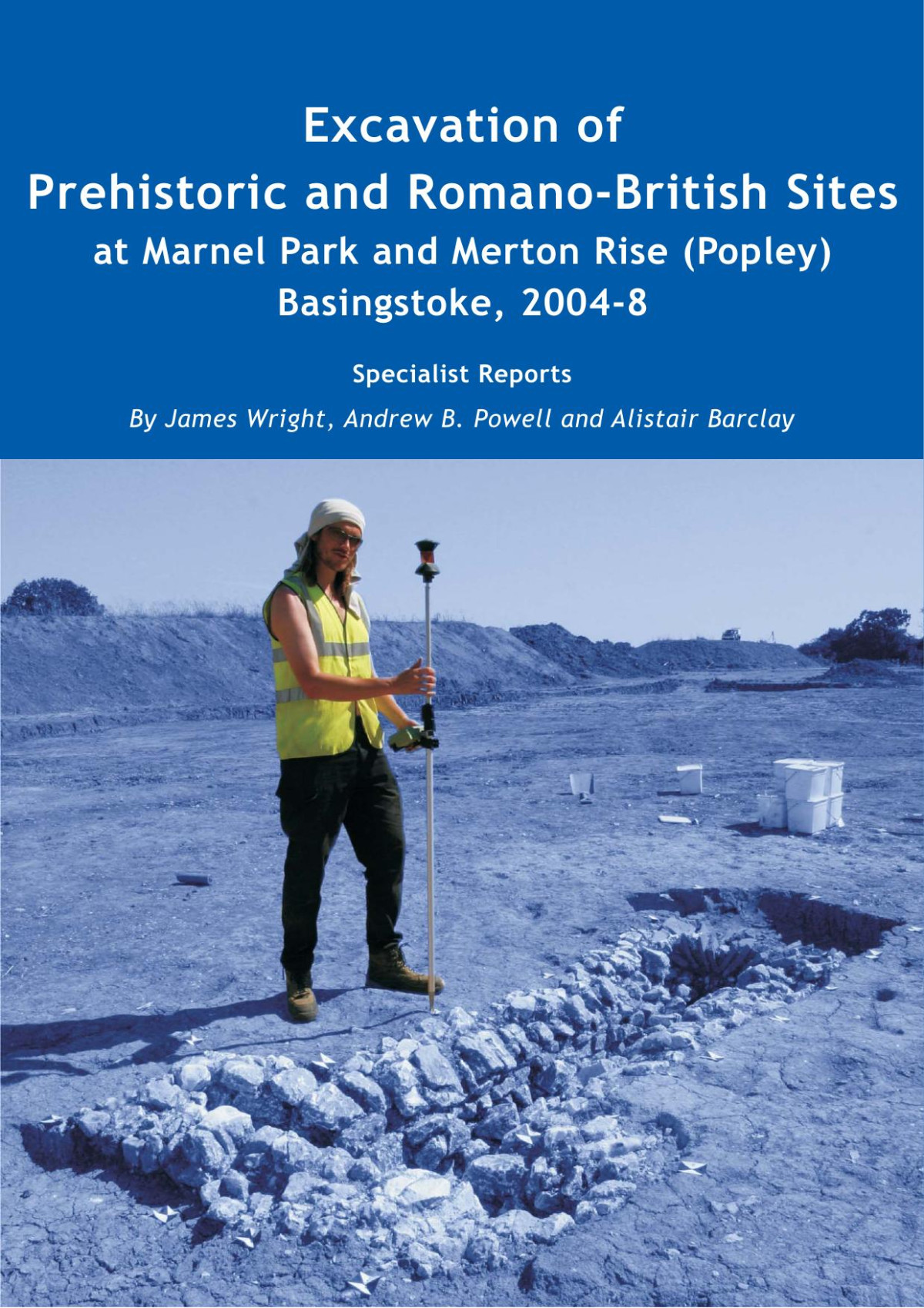
Excavation Of Prehistoric And Romanobritish Sites At Marnel Park And Merton Rise Popley Basingstoke 20048 Specialist Reports James Wright

  • SKU: BELL-238576898
Excavation Of Prehistoric And Romanobritish Sites At Marnel Park And Merton Rise Popley Basingstoke 20048 Specialist Reports James Wright
$ 35.00 $ 45.00 (-22%)

5.0

60 reviews

Excavation Of Prehistoric And Romanobritish Sites At Marnel Park And Merton Rise Popley Basingstoke 20048 Specialist Reports James Wright instant download after payment.

Publisher: Wessex Archaeology
File Extension: PDF
File size: 2.09 MB
Pages: 93
Author: James Wright, Andrew B. Powell, Alistair Barclay
ISBN: 9781874350514, 874350515
Language: English
Year: 2009

Product desciption

Excavation Of Prehistoric And Romanobritish Sites At Marnel Park And Merton Rise Popley Basingstoke 20048 Specialist Reports James Wright by James Wright, Andrew B. Powell, Alistair Barclay 9781874350514, 874350515 instant download after payment.

The archaeological investigation of 59 ha of mostly chalk downland revealed traces of human activity from the Neolithic through to the late Roman period, beginning with occasional pits containing domestic refuse and both Grooved Ware and Beaker pottery, the latter with evidence for cereal cultivation.
-
Permanent settlement occurred from about 1500 BC onwards with a series of open settlements including at least 15 buildings, mostly post-built roundhouses, of Middle Bronze Age to Early Iron Age date, whose inhabitants were involved in cereal cultivation and largescale land division.
-
The Late Iron Age witnessed the creation of new settlements, enclosures, and trackways. Field lynchets and evidence for field clearance indicate that some earlier pasture was converted to arable. Short- lived, specialised enclosures, probably for animal husbandry, on the chalk contrasted with a long- lived complex of enclosures on poorer draining soils.
-
The apparently low status settlement situated on these poorer soils exhibited only partly Romanised and mostly rural characteristics.
-
The settlements were abandoned in the 4th century.

Related Products