Most ebook files are in PDF format, so you can easily read them using various software such as Foxit Reader or directly on the Google Chrome browser.
Some ebook files are released by publishers in other formats such as .awz, .mobi, .epub, .fb2, etc. You may need to install specific software to read these formats on mobile/PC, such as Calibre.
Please read the tutorial at this link: https://ebookbell.com/faq
We offer FREE conversion to the popular formats you request; however, this may take some time. Therefore, right after payment, please email us, and we will try to provide the service as quickly as possible.
For some exceptional file formats or broken links (if any), please refrain from opening any disputes. Instead, email us first, and we will try to assist within a maximum of 6 hours.
EbookBell Team
5.0
70 reviewsOne aspect of war is often overlooked: how much do they cost and how are they funded. Funding Extended Conflicts develops a baseline on Federal spending for the two extended conflicts of the Cold War era, Korea and Vietnam, and compares them with the global war on terror, including current outlays for Iraq and Afghanistan. It also provides wartime cases that offer recommendations on how to pay for future wars and focuses on the length of the tails of such spending, which are often omitted in the final analyses and distort funding estimates. Background chapters examine financing and budget issues as well as problems associated with defining the real cost of Korea, Vietnam, and the so-called long war against terrorism and are complemented by an assessment of the open-ended commitment to support homeland defense and conduct ongoing military operations in Southwest Asia.
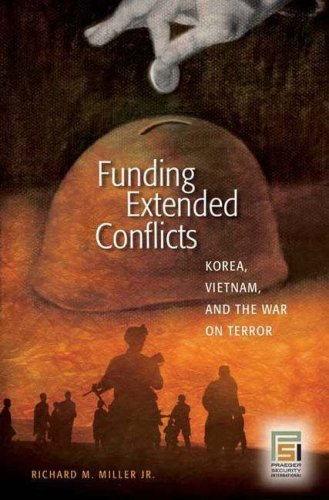
One aspect of war is often overlooked: how much do they cost and how are they funded. Funding Extended Conflicts develops a baseline on Federal spending for the two extended conflicts of the Cold War era, Korea and Vietnam, and compares them with the global war on terror, including current outlays for Iraq and Afghanistan. It also provides wartime cases that offer recommendations on how to pay for future wars and focuses on the length of the tails of such spending, which are often omitted in the final analyses and distort funding estimates. Background chapters examine financing and budget issues as well as problems associated with defining the real cost of Korea, Vietnam, and the so-called long war against terrorism and are complemented by an assessment of the open-ended commitment to support homeland defense and conduct ongoing military operations in Southwest Asia.