Most ebook files are in PDF format, so you can easily read them using various software such as Foxit Reader or directly on the Google Chrome browser.
Some ebook files are released by publishers in other formats such as .awz, .mobi, .epub, .fb2, etc. You may need to install specific software to read these formats on mobile/PC, such as Calibre.
Please read the tutorial at this link: https://ebookbell.com/faq
We offer FREE conversion to the popular formats you request; however, this may take some time. Therefore, right after payment, please email us, and we will try to provide the service as quickly as possible.
For some exceptional file formats or broken links (if any), please refrain from opening any disputes. Instead, email us first, and we will try to assist within a maximum of 6 hours.
EbookBell Team
5.0
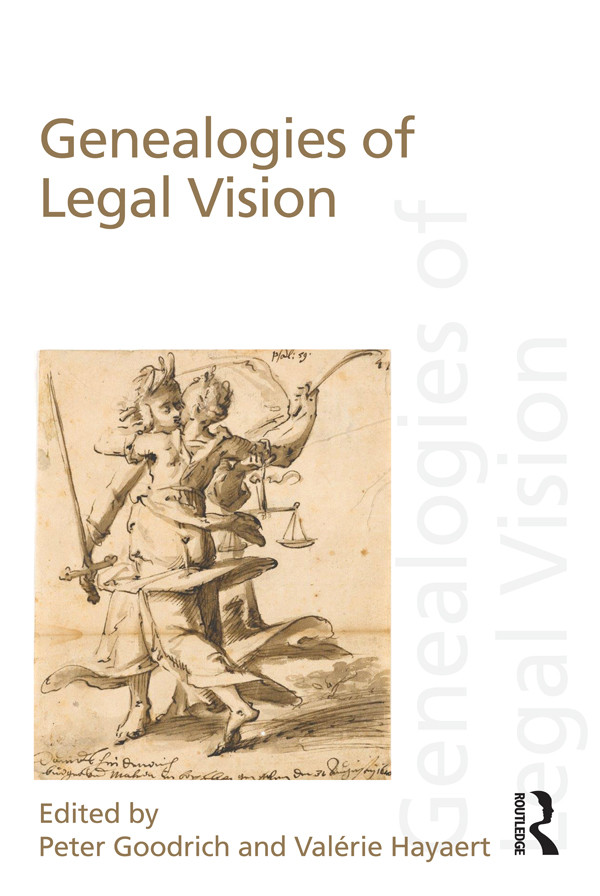
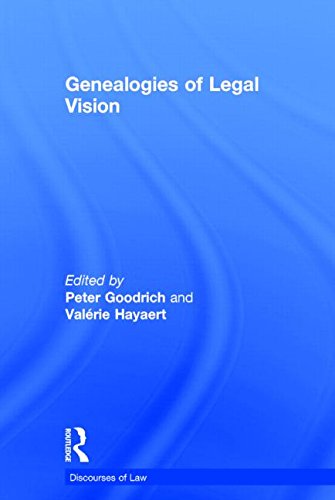
80 reviewsIt was the classical task of legal rhetoric to make law both seen and understood. These conjoint goals came to be separated and opposed in modernity and a degree of blindness ensued. Legal reason was increasingly deemed to be a purely textual enterprise. Against this constraint and in furtherance of an incipient visual turn in legal studies, Genealogies of Legal Vision seeks to revive the classical ars iuris and to this end traces the history of regimes of visual control.
Law always relied in significant measure upon the use of visual representations, upon pictures, architecture, costume and statuary to convey authority and sovereign norm. Military, religious, administrative and legal insignia found juridical codification and expression in collections of signs of office, in heraldic codes, in genealogical devices, and then finally in the juridical invention in the mid-sixteenth century of the legal emblem book.
Genealogies of Legal Vision traces the complex lineage of the legal emblem and argues that the mens emblematica of the humanist lawyers was the inauguration of a visiocratic regime that continues into the multiple new technologies and novel media of contemporary governance. Bringing together leading experts on the history and art of legal emblems this collection provides a ground-breaking account of the long relationship between visibility, meaning and normativity.