logo

EbookBell.com

Most ebook files are in PDF format, so you can easily read them using various software such as Foxit Reader or directly on the Google Chrome browser.
Some ebook files are released by publishers in other formats such as .awz, .mobi, .epub, .fb2, etc. You may need to install specific software to read these formats on mobile/PC, such as Calibre.

Please read the tutorial at this link:  https://ebookbell.com/faq 


We offer FREE conversion to the popular formats you request; however, this may take some time. Therefore, right after payment, please email us, and we will try to provide the service as quickly as possible.


For some exceptional file formats or broken links (if any), please refrain from opening any disputes. Instead, email us first, and we will try to assist within a maximum of 6 hours.

EbookBell Team
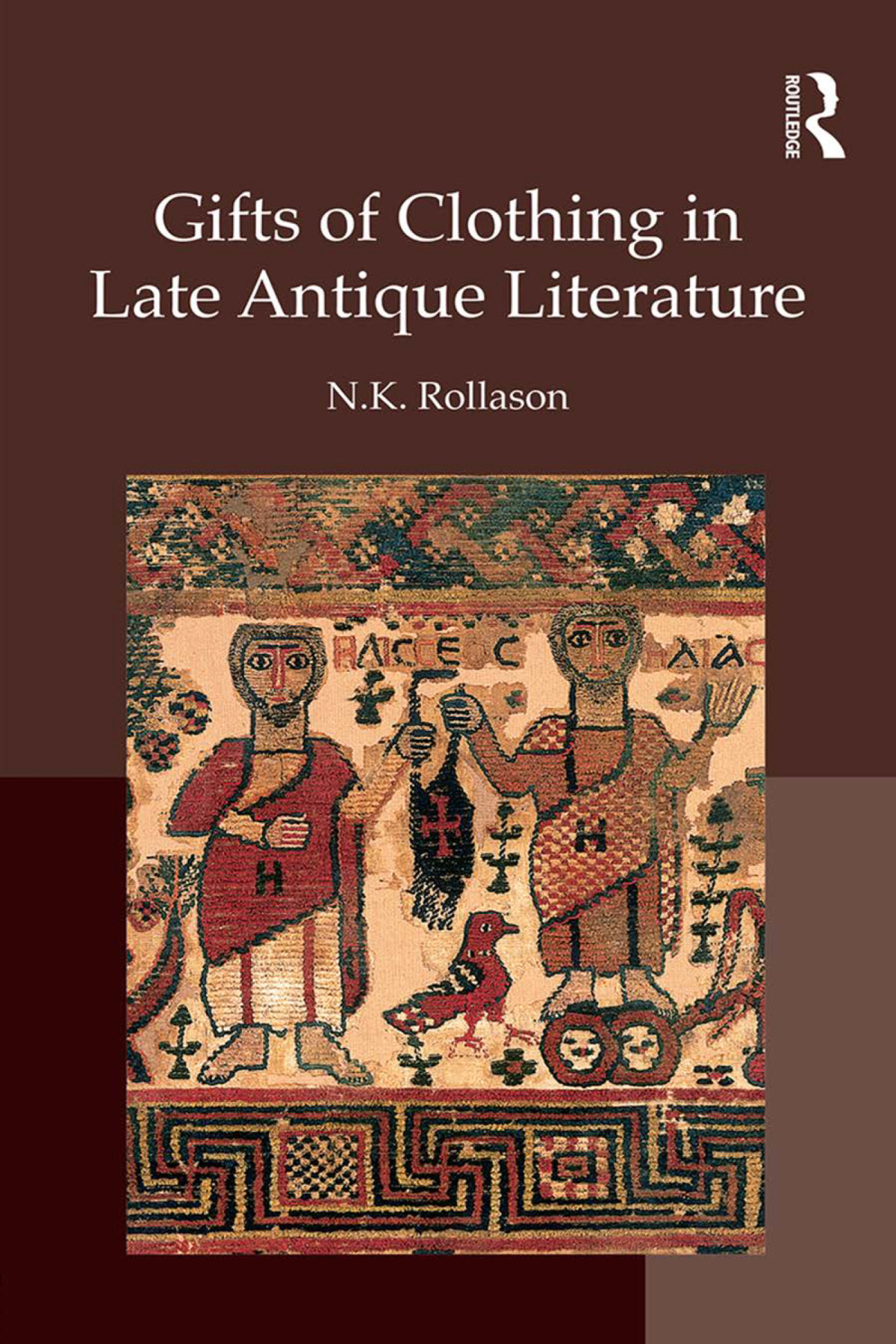
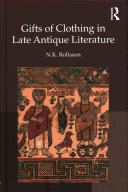
Gifts Of Clothing In Late Antique Literature Nk Rollason

  • SKU: BELL-237349352
Gifts Of Clothing In Late Antique Literature Nk Rollason
$ 35.00 $ 45.00 (-22%)

4.8

84 reviews

Gifts Of Clothing In Late Antique Literature Nk Rollason instant download after payment.

Publisher: Routledge
File Extension: EPUB
File size: 6.24 MB
Author: N.K. Rollason
ISBN: 9781317128199, 1317128192
Language: English
Year: 2016

Product desciption

Gifts Of Clothing In Late Antique Literature Nk Rollason by N.k. Rollason 9781317128199, 1317128192 instant download after payment.

Both clothing and gifts in the ancient world have separately been the subject of much scholarly discussion because they were an integral part of Greek and Roman society and identity, creating and reinforcing the relationships which kept a community together, as well as delineating status and even symbolising society as a whole. They have, however, rarely been studied together despite the prevalence of clothing gifts in many ancient texts. This book addresses a gap in scholarship by focusing on gifts of elite male clothing in late antique literature in order to show that, when they appeared in texts, these items were not only functioning in an historical or 'real-life' sphere but also as a literary space within which authors could discuss ideas of social relationships and authority. This book suggests that authors used items which usually formed part of the costume of authority of the period - the trabea of the consul, the chlamys of the imperial court and the emperor, and the pallium of the Christian bishops - to 'over-write' wearers and donors as confident figures of 'official' authority when this may have been open to doubt.

Related Products