logo

EbookBell.com

Most ebook files are in PDF format, so you can easily read them using various software such as Foxit Reader or directly on the Google Chrome browser.
Some ebook files are released by publishers in other formats such as .awz, .mobi, .epub, .fb2, etc. You may need to install specific software to read these formats on mobile/PC, such as Calibre.

Please read the tutorial at this link:  https://ebookbell.com/faq 


We offer FREE conversion to the popular formats you request; however, this may take some time. Therefore, right after payment, please email us, and we will try to provide the service as quickly as possible.


For some exceptional file formats or broken links (if any), please refrain from opening any disputes. Instead, email us first, and we will try to assist within a maximum of 6 hours.

EbookBell Team
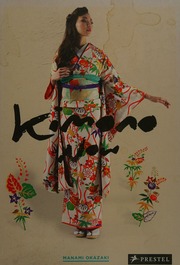
Kimono Now Okazaki Manami

  • SKU: BELL-238419400
Kimono Now Okazaki Manami
$ 35.00 $ 45.00 (-22%)

0.0

0 reviews

Kimono Now Okazaki Manami instant download after payment.

Publisher: Munich ; New York : Prestel
File Extension: PDF
File size: 18.62 MB
Author: Okazaki, Manami
Language: English
Year: 2015

Product desciption

Kimono Now Okazaki Manami by Okazaki, Manami instant download after payment.

207 p. : 28 cm, From the refined homes of Tokyo to the nightclubs of Kyoto; from gangster chic to Harajuku street style; from ateliers and catwalks to city sidewalks and religious festivals--this book shows how the kimono has continued to be one of Japan's most exciting wardrobe elements. Across Japan, women and men are rediscovering the kimono. Comfortable, versatile, and easily adapted to reflect one's personal style, the kimono is the perfect canvas from which to create a head-turning ensemble for any occasion. In Kimono Now, while exploring the origins and evolution of this traditional garment, Manami Okazaki explains how the once ubiquitous kimono disappeared from everyday life only to reappear as a fashion statement. From street style to important labels in contemporary fashion, young designers are creating their own exquisite creations with progressive, funky, and often outlandish twists. In addition, the book ventures inside the studios of kimono designers to learn how the fabrics are dyed, woven and embroidered; travels to matsuri festivals where townspeople pull out all the stops to celebrate Shinto deities; and looks at the way artists such as Kubota Itchiku, Miya Ando, and John Cederquist incorporate kimonos in their work. Interviews with important industry figures, including clothing manufacturers and fashion designers, reveal how this traditional dress, with its simple and elegant form and timeless textile production methods, is as relevant today as ever

Related Products