logo

EbookBell.com

Most ebook files are in PDF format, so you can easily read them using various software such as Foxit Reader or directly on the Google Chrome browser.
Some ebook files are released by publishers in other formats such as .awz, .mobi, .epub, .fb2, etc. You may need to install specific software to read these formats on mobile/PC, such as Calibre.

Please read the tutorial at this link:  https://ebookbell.com/faq 


We offer FREE conversion to the popular formats you request; however, this may take some time. Therefore, right after payment, please email us, and we will try to provide the service as quickly as possible.


For some exceptional file formats or broken links (if any), please refrain from opening any disputes. Instead, email us first, and we will try to assist within a maximum of 6 hours.

EbookBell Team
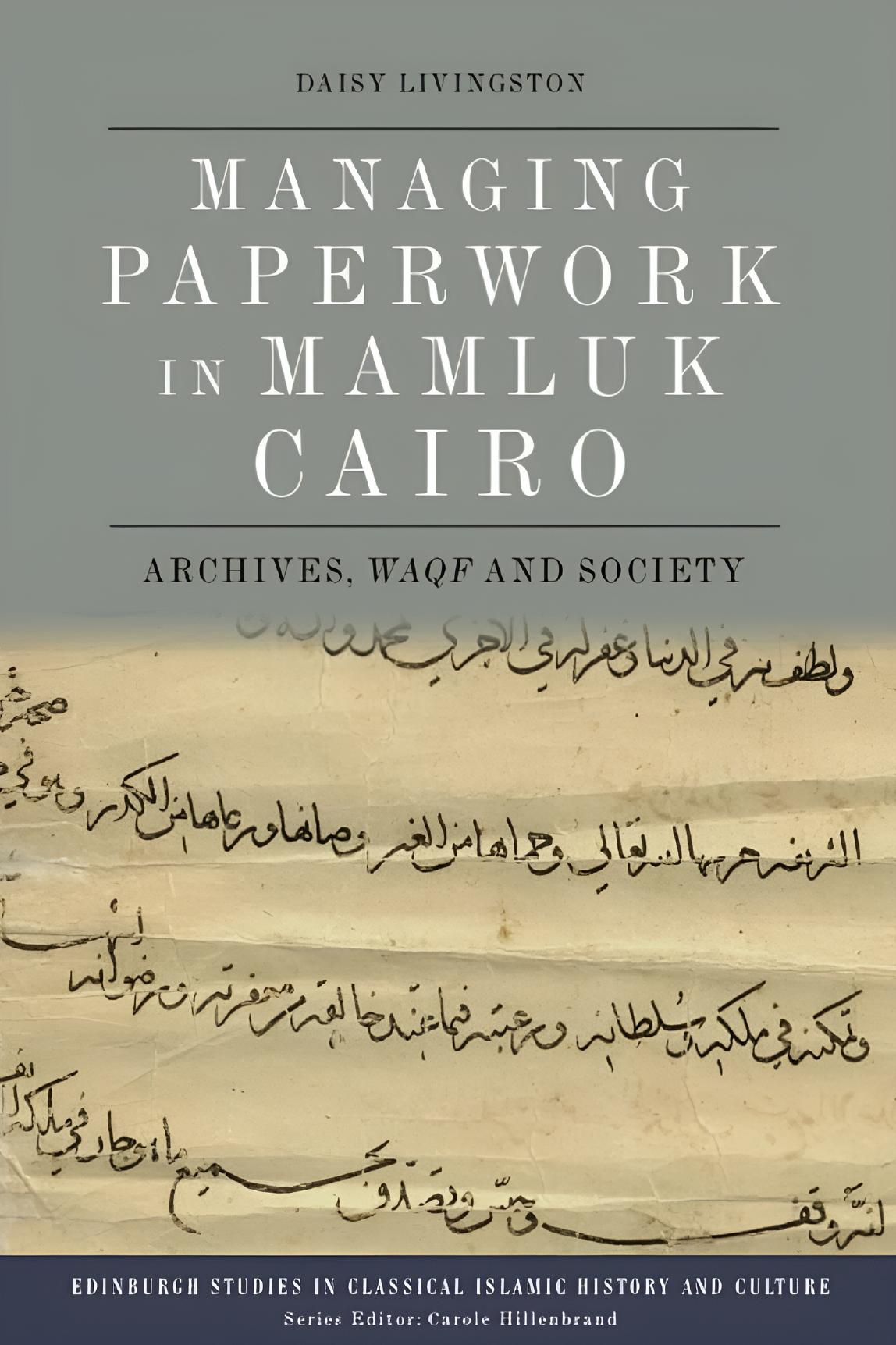
Managing Paperwork In Mamluk Cairo Archives Waqf And Society 1st Daisy Livingston

  • SKU: BELL-236720658
Managing Paperwork In Mamluk Cairo Archives Waqf And Society 1st Daisy Livingston
$ 35.00 $ 45.00 (-22%)

5.0

40 reviews

Managing Paperwork In Mamluk Cairo Archives Waqf And Society 1st Daisy Livingston instant download after payment.

Publisher: Edinburgh University Press
File Extension: PDF
File size: 21.58 MB
Pages: 331
Author: Daisy Livingston
ISBN: 9781474492294, 1474492290
Language: English
Year: 2025
Edition: 1st
Volume: -

Product desciption

Managing Paperwork In Mamluk Cairo Archives Waqf And Society 1st Daisy Livingston by Daisy Livingston 9781474492294, 1474492290 instant download after payment.

Archives are not only sources for history but have their own histories too, which shape how historians can tell stories of the past. This book explores the archival history of one of the most powerful polities of the late-medieval Middle East: the ‘Mamluk’ sultanate of Cairo. Relying on surviving original documents, it focuses on archival practices connected to waqf, the pious endowments that became one of the characteristic features of late-medieval Islamic societies. By centring a close exploration of documents connected to processes of endowment and property exchange, this book sheds light on a startling culture of document accumulation that was shared by the diverse social groups involved in founding and managing endowments: sultans and emirs, qadis, legal notaries, and scribes. Emphasising the documents’ life cycles from production, to preservation, to disposal and loss, it argues for the use of surviving documents to tell their own archival histories.

Related Products