logo

EbookBell.com

Most ebook files are in PDF format, so you can easily read them using various software such as Foxit Reader or directly on the Google Chrome browser.
Some ebook files are released by publishers in other formats such as .awz, .mobi, .epub, .fb2, etc. You may need to install specific software to read these formats on mobile/PC, such as Calibre.

Please read the tutorial at this link:  https://ebookbell.com/faq 


We offer FREE conversion to the popular formats you request; however, this may take some time. Therefore, right after payment, please email us, and we will try to provide the service as quickly as possible.


For some exceptional file formats or broken links (if any), please refrain from opening any disputes. Instead, email us first, and we will try to assist within a maximum of 6 hours.

EbookBell Team
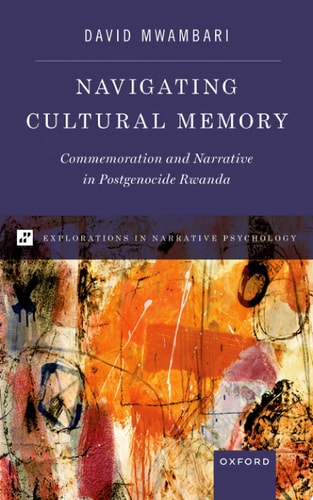
Navigating Cultural Memory Commemoration And Narrative In Postgenocide Rwanda David Mwambari

  • SKU: BELL-239749034
Navigating Cultural Memory Commemoration And Narrative In Postgenocide Rwanda David Mwambari
$ 35.00 $ 45.00 (-22%)

4.7

26 reviews

Navigating Cultural Memory Commemoration And Narrative In Postgenocide Rwanda David Mwambari instant download after payment.

Publisher: Oxford University Press
File Extension: PDF
File size: 2.35 MB
Pages: 337
Author: David Mwambari
ISBN: 9780190942304, 9780190942328, 9780190942335, 0190942304, 0190942320, 0190942339
Language: English
Year: 2023

Product desciption

Navigating Cultural Memory Commemoration And Narrative In Postgenocide Rwanda David Mwambari by David Mwambari 9780190942304, 9780190942328, 9780190942335, 0190942304, 0190942320, 0190942339 instant download after payment.

This book analyzes how a master narrative of the 1994 Genocide Against the Tutsi evolved into a hegemonic narrative. It identifies key actors of the evolution and enforcement of the master narrative in the first two decades after the genocide and civil war ended. Primary and secondary sources and rarely analyzed Rwandan folklore examine how Rwandans—identified as Champions, Antagonists, and Fatalists of the master narrative—responded through language; physical symbols of memory and art; and traditional and new media. It is argued that what has emerged as the master narrative and, over time, as the hegemonic narrative of the Genocide Against the Tutsi, was created from plural and fluid memorialization approaches, debates, tensions, and contradictions among mnemonic actors in Rwanda and beyond. It indicates that Champions struggle to maintain power to shape and classify responses to the master narrative, Antagonists and Fatalists equally mobilize tools to contest that power. The transmission of these debates within online “conversable spaces” potentially can fuel further tensions or present an opportunity for compassionate transformation. A relational approach to dignity and its significance is needed to transform polarizing narratives away from sources of competition, exclusion, and silence toward facilitating the construction and more peaceful relationships. Political conversations around the master narrative and violent histories are important for not only contemporary politics but also the key to Rwanda’s present and future peace and stability. The book contributes to postgenocide literature and policy debates on memory politics and scholarship on meanings of dignity.

DOI: 10.1093/oso/9780190942304.001.0001

Related Products