Most ebook files are in PDF format, so you can easily read them using various software such as Foxit Reader or directly on the Google Chrome browser.
Some ebook files are released by publishers in other formats such as .awz, .mobi, .epub, .fb2, etc. You may need to install specific software to read these formats on mobile/PC, such as Calibre.
Please read the tutorial at this link: https://ebookbell.com/faq
We offer FREE conversion to the popular formats you request; however, this may take some time. Therefore, right after payment, please email us, and we will try to provide the service as quickly as possible.
For some exceptional file formats or broken links (if any), please refrain from opening any disputes. Instead, email us first, and we will try to assist within a maximum of 6 hours.
EbookBell Team
5.0
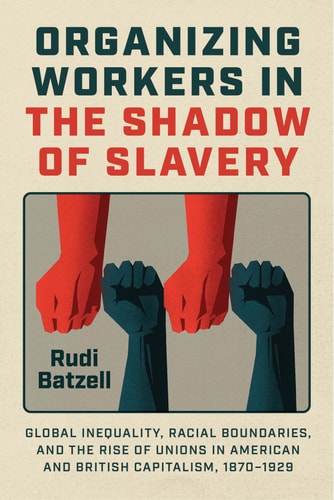
108 reviewsDuring the rise of the labor movement in the late nineteenth century, why were American workers unable to organize inclusive trade unions like those formed by their counterparts in the United Kingdom? Comparing American and British capitalism in the port cities of Baltimore and Liverpool and the steel cities of Pittsburgh and Sheffield, Rudi Batzell reveals that the answer lies in the legacies of slavery and entrenched structures of racial inequality. Strikebreaking succeeded more often in the United States because landless Black Americans were, out of economic desperation, more likely to become scabs and fracture the class solidarity of any union movement. Batzell shows, in short, how racism was and is deeply connected to class, migration, and capitalism in a global economy marked by slavery and empire. In emphasizing the geography of economic inequality, this book offers new clarity on the late-nineteenth-century successes and failures of working-class formation. More broadly, Organizing Workers in the Shadow of Slavery makes it clear that the pursuit of justice today will require sustained economic reparations for slavery and colonialism.
Rudi Batzell is associate professor of history at Lake Forest College. His research has appeared in journals including Past & Present, Gender & History, and the Journal of Social History.