Most ebook files are in PDF format, so you can easily read them using various software such as Foxit Reader or directly on the Google Chrome browser.
Some ebook files are released by publishers in other formats such as .awz, .mobi, .epub, .fb2, etc. You may need to install specific software to read these formats on mobile/PC, such as Calibre.
Please read the tutorial at this link: https://ebookbell.com/faq
We offer FREE conversion to the popular formats you request; however, this may take some time. Therefore, right after payment, please email us, and we will try to provide the service as quickly as possible.
For some exceptional file formats or broken links (if any), please refrain from opening any disputes. Instead, email us first, and we will try to assist within a maximum of 6 hours.
EbookBell Team
5.0
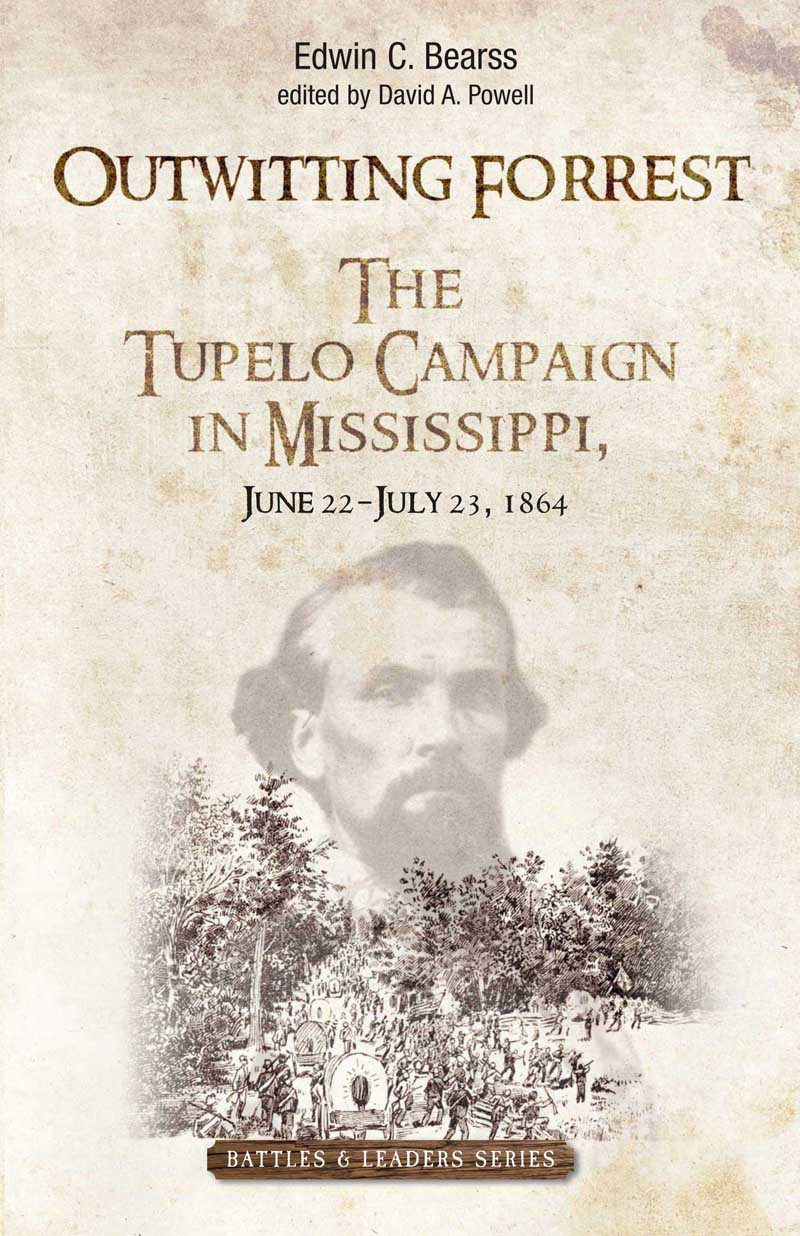
38 reviewsFew students of the Civil War know that legendary historian Edwin C. Bearss produced a classic study on the little-known but significant Tupelo Campaign. The fighting in Mississippi was overshadowed by Nathan Bedford Forrest’s more spectacular victory at Brice’s Crossroads a month earlier. Bearss performed the research and writing for the Department of the Interior in 1969, and only a handful of softcover copies were circulated. It is published here for the first time, with the assistance of award-winning author David A. Powell, as Outwitting Forrest: The Tupelo Campaign in Mississippi, June 22–July 23, 1864.
The engagement came about when Maj. Gen. A. J. Smith marched a Federal expeditionary force (his XVI Army Corps) into northern Mississippi in early July 1864. The thrust forced a response, the largest of which was delivered by the combined Confederate cavalry of Stephen D. Lee (who was in general command) and Forrest.
The tactical result was a Union defensive success. The larger Confederate strategic play, however—one that might have impacted the course of the war in the Western Theater—would have been to unleash Forrest on a raid into Middle Tennessee to destroy the single line of railroad track feeding and supplying the Union armies of William T. Sherman in his ongoing operations around Atlanta. Instead, his troopers were contained within the Magnolia State, where his combat effectiveness was severely curtailed.
Editor Powell has left Bearss’s prose and notes intact, while adding additional sources and commentary of his own. The result is an exceptional study that has finally been made available to the general reading public as part of the Savas Beatie Battles & Leaders Series.