Most ebook files are in PDF format, so you can easily read them using various software such as Foxit Reader or directly on the Google Chrome browser.
Some ebook files are released by publishers in other formats such as .awz, .mobi, .epub, .fb2, etc. You may need to install specific software to read these formats on mobile/PC, such as Calibre.
Please read the tutorial at this link: https://ebookbell.com/faq
We offer FREE conversion to the popular formats you request; however, this may take some time. Therefore, right after payment, please email us, and we will try to provide the service as quickly as possible.
For some exceptional file formats or broken links (if any), please refrain from opening any disputes. Instead, email us first, and we will try to assist within a maximum of 6 hours.
EbookBell Team
0.0
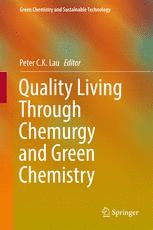
0 reviewsThis book is intended to give readers an appreciation of what the future holds, as cutting-edge technologies in synthetic biology and pathway engineering and advanced bioprocessing development pave the way for providing goods and services to benefit humankind that are based on the synergy of two biomasses - i.e. of what a renewable feedstock could yield and an infinite microbial biomass could provide in terms of enzymes and biocatalysts. This 13-chapter book, with an introductory treatise on the guiding principles of green chemistry and engineering metrics, brings together a broad range of research and innovation agendas and perspectives from industries, academia and government laboratories using renewable feedstocks that include macroalgae and lignins. In addition, social-economic aspects and the pillars of competitiveness in regional cluster development are explored as we transition from fossil-fuel-based economies to a circular bioeconomy, with chemurgy and green chemistry being implicit to the innovation movement.
The bulk of the book covers specific applications including the bioproduction of amino sugars, dicarboxylic acids, omega-3 fatty acids, starch and fermentable sugars from lignocellulosic materials, and phenolics as building blocks for polymer synthesis. Enzymatic systems for accessing chiral and special-purpose chemicals, as well as the development of specialized enzymes from macroalgae for biofuel and biochemical production are also addressed. Research gaps, hurdles to overcome in various biological processes, and present achievements in the production of biofuels and biochemicals from lignocellulosic materials are discussed.
Going beyond the conventional expectation of discussing the production of drop-in chemicals, the book instead emphasizes how the potential of new chemicals and materials can be harnessed through innovative thinking and research. As such, it provides an invaluable reference source for researchers and graduate students interested in Chemurgy and Green Chemistry, as well as for practitioners in the field of industrial biotechnology and biobased industry.
Peter C.K. Lau is a Distinguished Professor at Tianjin Institute of Industrial Biotechnology of the Chinese Academy of Sciences, and an Adjunct Professor at the Departments of Chemistry and Microbiology & Immunology, McGill University, Canada.