Most ebook files are in PDF format, so you can easily read them using various software such as Foxit Reader or directly on the Google Chrome browser.
Some ebook files are released by publishers in other formats such as .awz, .mobi, .epub, .fb2, etc. You may need to install specific software to read these formats on mobile/PC, such as Calibre.
Please read the tutorial at this link: https://ebookbell.com/faq
We offer FREE conversion to the popular formats you request; however, this may take some time. Therefore, right after payment, please email us, and we will try to provide the service as quickly as possible.
For some exceptional file formats or broken links (if any), please refrain from opening any disputes. Instead, email us first, and we will try to assist within a maximum of 6 hours.
EbookBell Team
5.0
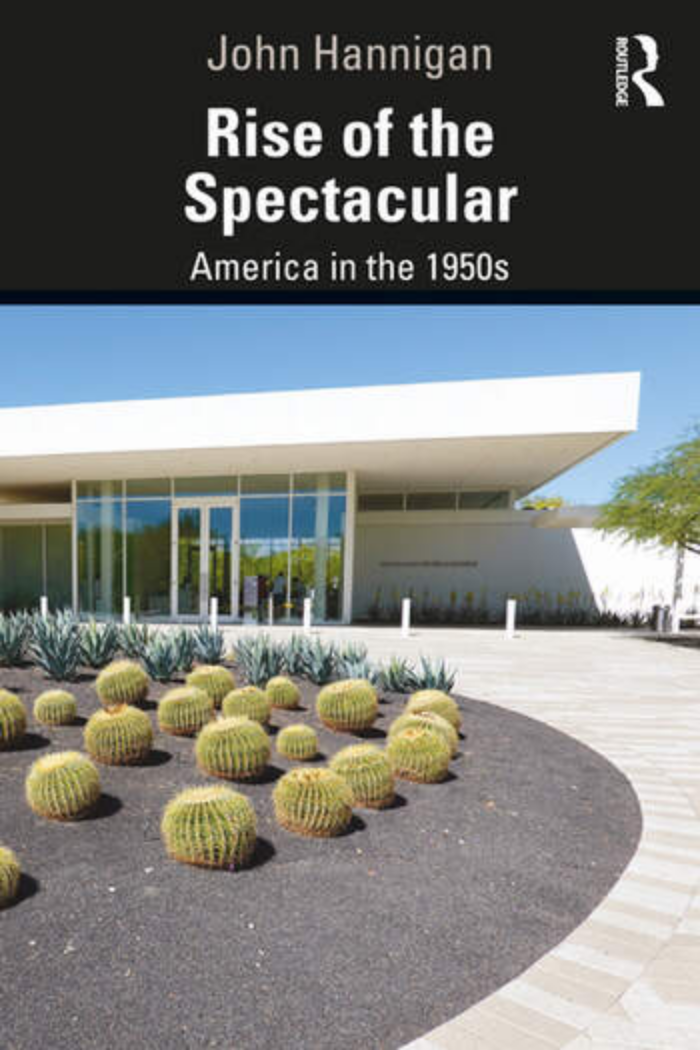
70 reviewsIn this prequel to Fantasy City: Pleasure and Profit in the Postmodern Metropolis (1998), his acclaimed book about the post-industrial city as a site of theming, branding and simulated spaces, sociologist John Hannigan travels back in time to the 1950s. Unfairly stereotyped as ‘the tranquillized decade’, America at mid-century hosted an escalating proliferation and conjunction of ‘spectacular’ events, spaces, and technologies.
Spectacularization was collectively defined by five features. It reflected and legitimated a dramatic increase in scale from the local/regional to the national. It was mediated by the increasingly popular medium of television. It exploited middle-class tension between comfortable conformity and desire for safe adventure. It celebrated technological progress, boosterism and military power. It was orchestrated and marketed by a constellation, sometimes a coalition, of entrepreneurs and dream merchants, most prominently Walt Disney. In this wide-ranging odyssey across mid-century America, Hannigan visits leisure parks (Cypress Gardens), parades (Tournament of Roses), mega-events (Squaw Valley Olympics, Century 21 Exposition), architectural styles (desert modernism), innovations (underwater photography, circular film projection) and everyday wonders (chemistry sets). Collectively, these fashioned the ‘spectacular gaze’, a prism through which Americans in the 1950s were acculturated to and conscripted into a vision of a progressive, technology-based future.
Rise of the Spectacular will appeal to architects, landscape designers, geographers, sociologists, historians, and leisure/tourism researchers, as well as non-academic readers who are by a fascinating era in history.