Most ebook files are in PDF format, so you can easily read them using various software such as Foxit Reader or directly on the Google Chrome browser.
Some ebook files are released by publishers in other formats such as .awz, .mobi, .epub, .fb2, etc. You may need to install specific software to read these formats on mobile/PC, such as Calibre.
Please read the tutorial at this link: https://ebookbell.com/faq
We offer FREE conversion to the popular formats you request; however, this may take some time. Therefore, right after payment, please email us, and we will try to provide the service as quickly as possible.
For some exceptional file formats or broken links (if any), please refrain from opening any disputes. Instead, email us first, and we will try to assist within a maximum of 6 hours.
EbookBell Team
4.4
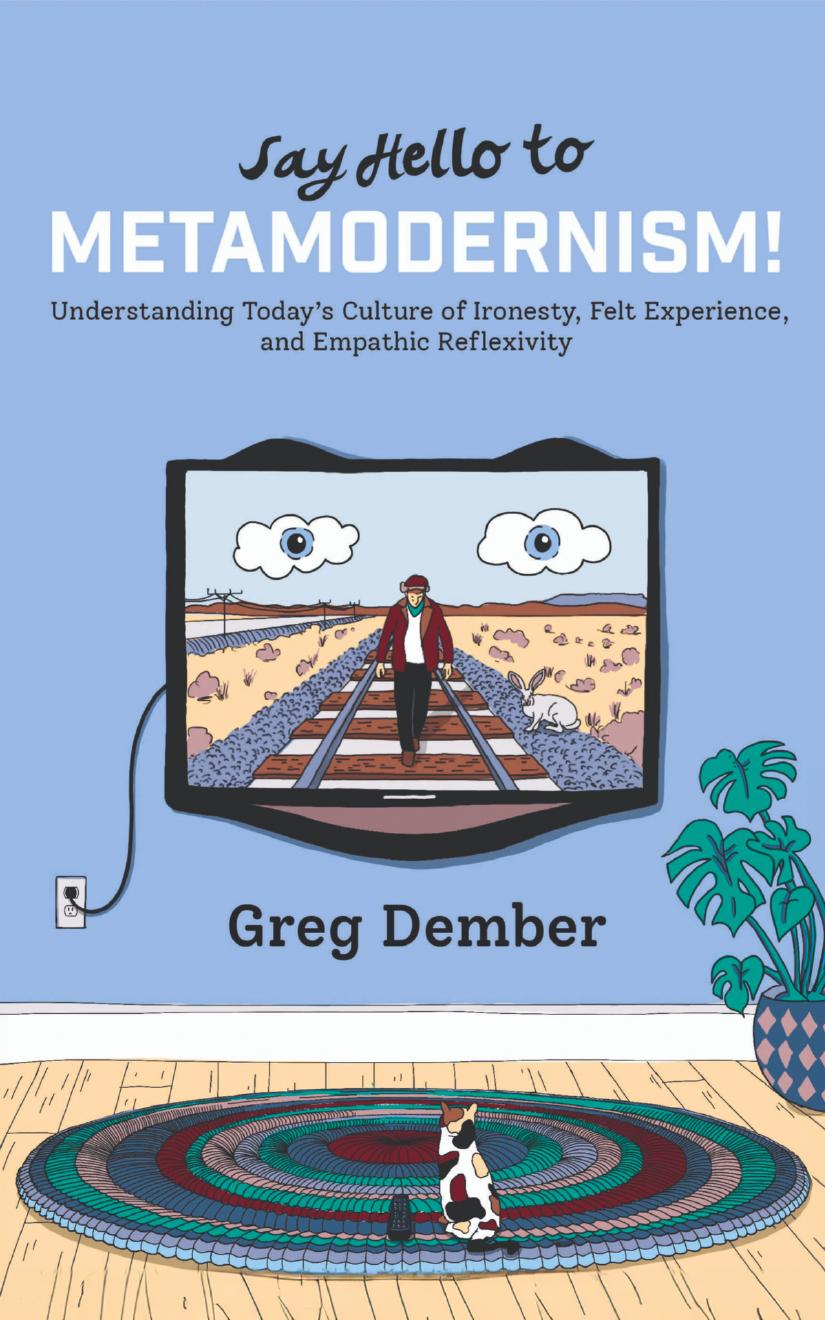
12 reviewsSay Hello to Metamodernism is a guided tour of one of the newer “isms”: metamodernism, the cultural period many say began emerging around the turn of the millennium, after irony-bound, depth-allergic postmodernism had lost much of its charm. By emphasizing qualities such as individual interiority – and by braiding playful irony or experimentation with an unabashed delight in the intricacies of being human – metamodern cultural products are said to engage and move beyond the conflict between postmodernism’s ironic relativism and its predecessor modernism’s adamant faith in progress and objectively knowable truth. Though the book is not a memoir, per se, the author, Greg Dember, weaves the story of his own encounters with society’s shifting aesthetic sensibilities into an exploration of representative metamodernist work by musicians such as Sufjan Stevens, Elliott Smith and Billie Eilish; by filmmakers like Miranda July and Wes Anderson and Greta Gerwig; by novelists such as Dave Eggers, Elif Batuman and Tope Folarin; and in television shows such as Buffy the Vampire Slayer, Bojack Horseman and Atlanta, while also covering how the metamodern sensibility is expressed in contemporary design, slang, religion and politics. Dember writes in a thoughtful, engaging style that is effective both at translating existing academic concepts into language meaningful to ordinary fans of the arts (and artists themselves) and introducing his original ideas about metamodernism to scholarly theorists of the arts and culture.