Most ebook files are in PDF format, so you can easily read them using various software such as Foxit Reader or directly on the Google Chrome browser.
Some ebook files are released by publishers in other formats such as .awz, .mobi, .epub, .fb2, etc. You may need to install specific software to read these formats on mobile/PC, such as Calibre.
Please read the tutorial at this link: https://ebookbell.com/faq
We offer FREE conversion to the popular formats you request; however, this may take some time. Therefore, right after payment, please email us, and we will try to provide the service as quickly as possible.
For some exceptional file formats or broken links (if any), please refrain from opening any disputes. Instead, email us first, and we will try to assist within a maximum of 6 hours.
EbookBell Team
4.3
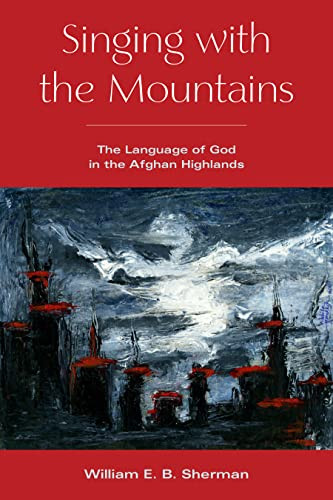
28 reviewsIn the Afghan highlands of the sixteenth century, the messianic community known as the Roshaniyya not only desired to find God’s word and to abide by it but also attempted to practice God’s word and to develop techniques of language intended to render their own tongues as the organs of continuous revelation. As their critics would contend, however, the Roshaniyya attempted to make language do something that language should not do―infuse the semiotic with the divine. Their story thus ends in a tower of skulls, the proliferation of heresiographies that detailed the sins of the Roshaniyya, and new formations of “Afghan” identity.
In Singing with the Mountains, William E. B. Sherman finds something extraordinary about the Roshaniyya, not least because the first known literary use of vernacular Pashto occurs in an eclectic, Roshani imitation of the Qur’an. The story of the Roshaniyya exemplifies a religious culture of linguistic experimentation. In the example of the Roshaniyya, we discover a set of questions and anxieties about the capacities of language that pervaded Sufi orders, imperial courts, groups of wandering ascetics, and scholastic networks throughout Central and South Asia.
In telling this tale, Sherman asks the following questions: How can we make language shimmer with divine truth? How can letters grant sovereign power and form new “ethnic” identities and ways of belonging? How can rhyme bend our conceptions of time so that the prophetic past comes to inhabit the now of our collective moment? By analyzing the ways in which the Roshaniyya answered these types of questions―and the ways in which their answers were eventually rejected as heresies―this book offers new insight into the imaginations of religious actors in the late medieval and early modern Persianate worlds.