logo

EbookBell.com

Most ebook files are in PDF format, so you can easily read them using various software such as Foxit Reader or directly on the Google Chrome browser.
Some ebook files are released by publishers in other formats such as .awz, .mobi, .epub, .fb2, etc. You may need to install specific software to read these formats on mobile/PC, such as Calibre.

Please read the tutorial at this link:  https://ebookbell.com/faq 


We offer FREE conversion to the popular formats you request; however, this may take some time. Therefore, right after payment, please email us, and we will try to provide the service as quickly as possible.


For some exceptional file formats or broken links (if any), please refrain from opening any disputes. Instead, email us first, and we will try to assist within a maximum of 6 hours.

EbookBell Team
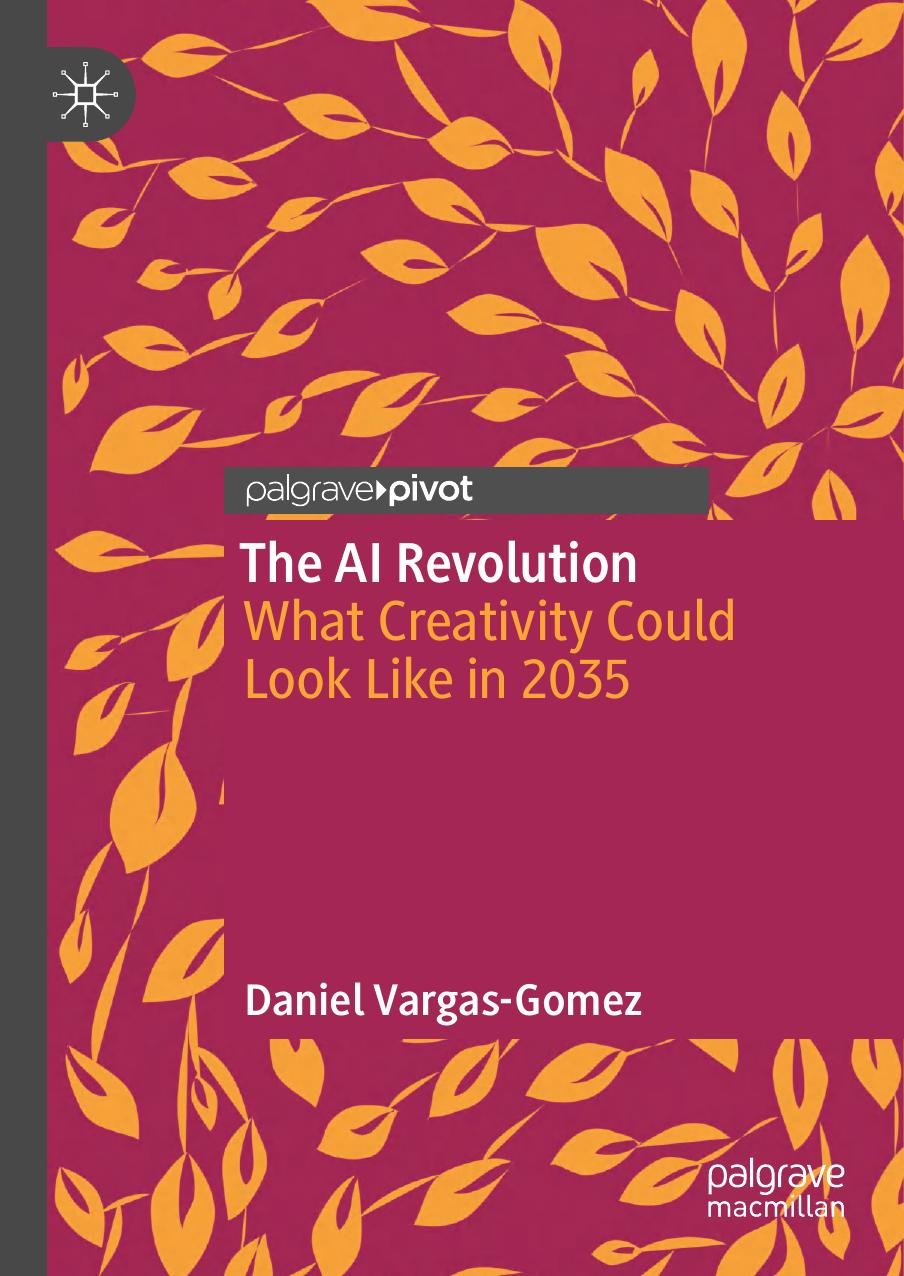
The Ai Revolution What Creativity Could Look Like In 2035 1st Edition Daniel Vargasgomez

  • SKU: BELL-239922834
The Ai Revolution What Creativity Could Look Like In 2035 1st Edition Daniel Vargasgomez
$ 35.00 $ 45.00 (-22%)

4.7

26 reviews

The Ai Revolution What Creativity Could Look Like In 2035 1st Edition Daniel Vargasgomez instant download after payment.

Publisher: Palgrave Macmillan
File Extension: PDF
File size: 1.69 MB
Pages: 156
Author: Daniel Vargas-Gomez
Language: English
Year: 2025
Edition: 1

Product desciption

The Ai Revolution What Creativity Could Look Like In 2035 1st Edition Daniel Vargasgomez by Daniel Vargas-gomez instant download after payment.

This book examines AI’s transformative impact on creativity, blending insights from economics, media studies, and technology to analyze its role in the arts and the broader creative industries. AI challenges the way we relate and use technology, as well as expand how we think of technological progress overall. Structured in three parts, the book first rethinks creativity as an inclusive, collaborative process through theories like Actor-Network-Theory, arguing AI is a new form of agency within creative networks. It explores the economic drivers of AI adoption, citing industry forecasts, long term trends and the rise of what sociologist Richard Florida calls the “Creative Class”. Through critical analysis of the gaps between the rhetoric and realities of AI, the text advocates for “Augmented Creativity”, as the right approach to balance human-AI collaboration. Lastly, the book studies pragmatic scenarios for 2035, focusing on job shifts, AI-generated content, and artistic experimentation—avoiding speculative AI hype. By grounding debates in real-world impacts, the book urges a critical, yet nuanced view of AI that ensures it remains a potential agent for collaboration rather than a replacement of human skill and imagination.

Related Products