logo

EbookBell.com

Most ebook files are in PDF format, so you can easily read them using various software such as Foxit Reader or directly on the Google Chrome browser.
Some ebook files are released by publishers in other formats such as .awz, .mobi, .epub, .fb2, etc. You may need to install specific software to read these formats on mobile/PC, such as Calibre.

Please read the tutorial at this link:  https://ebookbell.com/faq 


We offer FREE conversion to the popular formats you request; however, this may take some time. Therefore, right after payment, please email us, and we will try to provide the service as quickly as possible.


For some exceptional file formats or broken links (if any), please refrain from opening any disputes. Instead, email us first, and we will try to assist within a maximum of 6 hours.

EbookBell Team
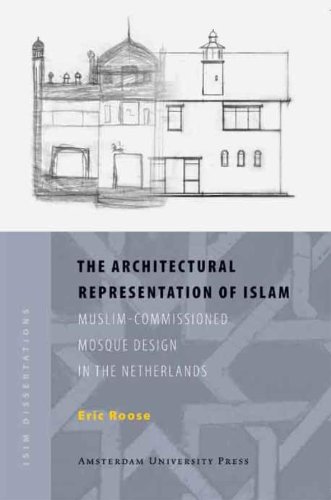
The Architectural Representation Of Islam Muslimcommissioned Mosque Design In The Netherlands Eric Roose

  • SKU: BELL-4914326
The Architectural Representation Of Islam Muslimcommissioned Mosque Design In The Netherlands Eric Roose
$ 35.00 $ 45.00 (-22%)

4.3

68 reviews

The Architectural Representation Of Islam Muslimcommissioned Mosque Design In The Netherlands Eric Roose instant download after payment.

Publisher: Amsterdam University Press
File Extension: PDF
File size: 11.78 MB
Pages: 416
Author: Eric Roose
ISBN: 9789089641335, 9089641335
Language: English
Year: 2009

Product desciption

The Architectural Representation Of Islam Muslimcommissioned Mosque Design In The Netherlands Eric Roose by Eric Roose 9789089641335, 9089641335 instant download after payment.

This book is a study of Dutch mosque designs, objects of heated public debate. Until now, studies of diaspora mosque designs have largely consisted of normative architectural critiques that reject the ubiquitous 'domes and minarets' as hampering further Islamic-architectural evolution. The Architectural Representation of Islam: Muslim-Commissioned Mosque Design in The Netherlands represents a clear break with the architectural critical narrative, and meticulously analyzes twelve design processes for Dutch mosques. It shows that patrons, by consciously selecting, steering and replacing their architects, have much more influence on their mosques than has been generally assumed. Through the careful transformation of specific building elements from Islamic architectural history to a new context, they literally aim to 'construct' the ultimate Islam. Their designs thus evolve not in opposition to Dutch society, but to those versions of Islam that they hold to be false.

Related Products