logo

EbookBell.com

Most ebook files are in PDF format, so you can easily read them using various software such as Foxit Reader or directly on the Google Chrome browser.
Some ebook files are released by publishers in other formats such as .awz, .mobi, .epub, .fb2, etc. You may need to install specific software to read these formats on mobile/PC, such as Calibre.

Please read the tutorial at this link:  https://ebookbell.com/faq 


We offer FREE conversion to the popular formats you request; however, this may take some time. Therefore, right after payment, please email us, and we will try to provide the service as quickly as possible.


For some exceptional file formats or broken links (if any), please refrain from opening any disputes. Instead, email us first, and we will try to assist within a maximum of 6 hours.

EbookBell Team
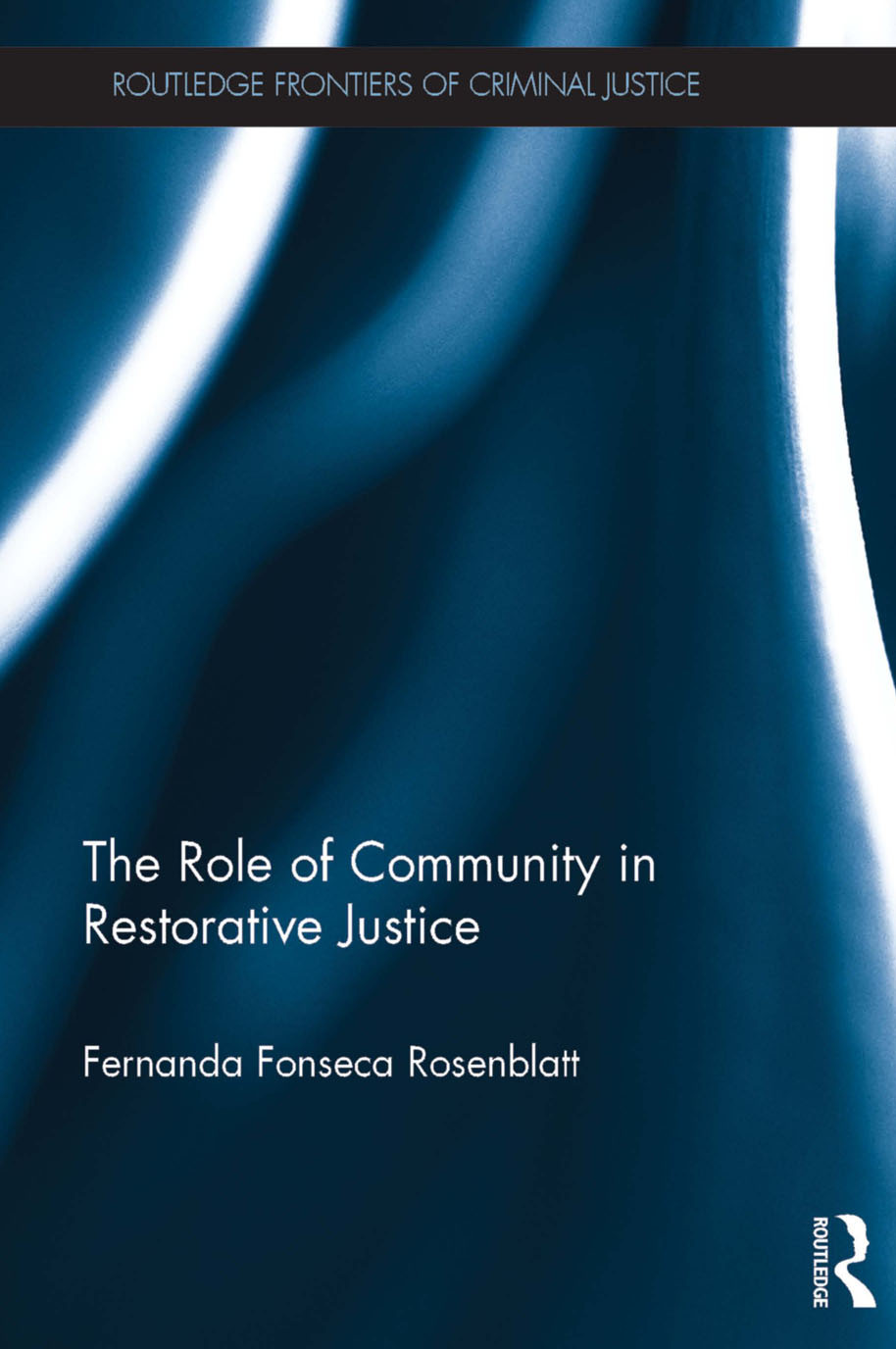
The Role Of Community In Restorative Justice Fernanda Fonseca Rosenblatt

  • SKU: BELL-237366602
The Role Of Community In Restorative Justice Fernanda Fonseca Rosenblatt
$ 35.00 $ 45.00 (-22%)

0.0

0 reviews

The Role Of Community In Restorative Justice Fernanda Fonseca Rosenblatt instant download after payment.

Publisher: Routledge
File Extension: EPUB
File size: 1.38 MB
Author: Fernanda Fonseca Rosenblatt
ISBN: 9781317510543, 1317510542
Language: English
Year: 2015

Product desciption

The Role Of Community In Restorative Justice Fernanda Fonseca Rosenblatt by Fernanda Fonseca Rosenblatt 9781317510543, 1317510542 instant download after payment.

Although restorative justice is probably one of the most talked about topics in contemporary criminology, little has been written about how community involvement in restorative justice translates into practice. While advocates have presented the community as an essential pillar of restorative justice, the rationale for why and how this is the case remains underdeveloped and largely unchallenged. This book offers an empirical and theoretical explanation of what ‘community involvement’ means and what work it does in restorative justice.
Drawing on an empirical case study and the wider sociological literature, The Role of Community in Restorative Justice examines the involvement of the community in one selected practice of restorative justice and also considers the implications of the English and Welsh experience for development of a more coherent framework for operationalizing community involvement in restorative justice practices. It is argued that restorative justice programmes need to start from a more concrete and up-to-date notion of community. While operationalizing community involvement, they need to acknowledge, all at once: the importance of place; the importance of family links, friendship and other social ties; and the importance of similar social traits and identities.
This book is essential reading for students, researchers and academics in the fields of criminology, criminal justice, sociology, community studies, policy studies, social policy and socio-legal studies. This book will also be valuable reading for a variety of practitioners and policymakers, particularly working with restorative justice and youth justice.