logo

EbookBell.com

Most ebook files are in PDF format, so you can easily read them using various software such as Foxit Reader or directly on the Google Chrome browser.
Some ebook files are released by publishers in other formats such as .awz, .mobi, .epub, .fb2, etc. You may need to install specific software to read these formats on mobile/PC, such as Calibre.

Please read the tutorial at this link:  https://ebookbell.com/faq 


We offer FREE conversion to the popular formats you request; however, this may take some time. Therefore, right after payment, please email us, and we will try to provide the service as quickly as possible.


For some exceptional file formats or broken links (if any), please refrain from opening any disputes. Instead, email us first, and we will try to assist within a maximum of 6 hours.

EbookBell Team
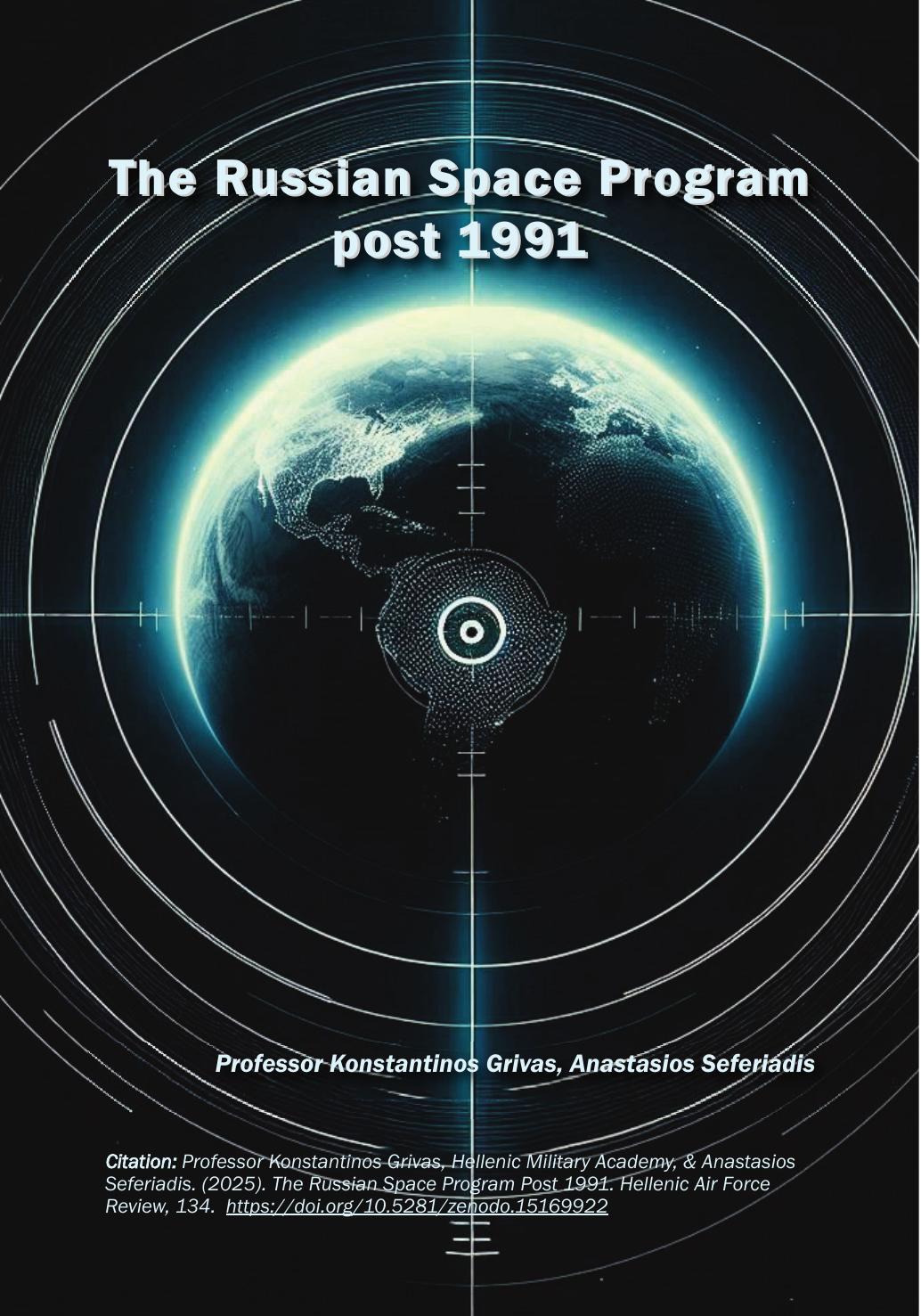
The Russian Space Program Post 1991 April Anastasios Seferiadis

  • SKU: BELL-238832274
The Russian Space Program Post 1991 April Anastasios Seferiadis
$ 35.00 $ 45.00 (-22%)

4.7

46 reviews

The Russian Space Program Post 1991 April Anastasios Seferiadis instant download after payment.

Publisher: Hellenic Military Academy
File Extension: PDF
File size: 9.46 MB
Pages: 18
Author: Anastasios Seferiadis, Konstantinos Grivas
ISBN: 1105596
Language: English
Year: 2025
Edition: April
Volume: 134

Product desciption

The Russian Space Program Post 1991 April Anastasios Seferiadis by Anastasios Seferiadis, Konstantinos Grivas 1105596 instant download after payment.

Since the collapse of the Soviet Union in 1991, the Russian space program has undergone dramatic transformation amid political, economic, and institutional upheaval. This paper traces its evolution from a Cold War era superpower to a space actor navigating financial instability, international cooperation, and internal reform. It explores the shift from the Soviet legacy structures to the establishment of Roscosmos and the commercialization of the Russian space program through international collaboration, notably with NASA for the construction and operation of the International Space Station (ISS). However, Russia’s space ambitions have been curtailed by economic sanctions and geopolitical isolation due to the annexation of Crimea in 2014 and the full-scale invasion of Ukraine in 2022. The war has isolated Russia from Western cooperation, forcing a strategic shift towards the East, while the Russian space program relies solely on domestic resources and technology.

Despite facing severe budget constraints, corruption, and technological stagnation, Russia persists in asserting its presence through strategic projects and symbolic missions. This paper argues that the Russian space program, while diminished from its Soviet heights, remains a politically charged instrument of state power, shaped as much by conflict and ideology as by scientific pursuit.

Respository URL: Commons Attribution 4.0 International

Related Products