logo

EbookBell.com

Most ebook files are in PDF format, so you can easily read them using various software such as Foxit Reader or directly on the Google Chrome browser.
Some ebook files are released by publishers in other formats such as .awz, .mobi, .epub, .fb2, etc. You may need to install specific software to read these formats on mobile/PC, such as Calibre.

Please read the tutorial at this link:  https://ebookbell.com/faq 


We offer FREE conversion to the popular formats you request; however, this may take some time. Therefore, right after payment, please email us, and we will try to provide the service as quickly as possible.


For some exceptional file formats or broken links (if any), please refrain from opening any disputes. Instead, email us first, and we will try to assist within a maximum of 6 hours.

EbookBell Team
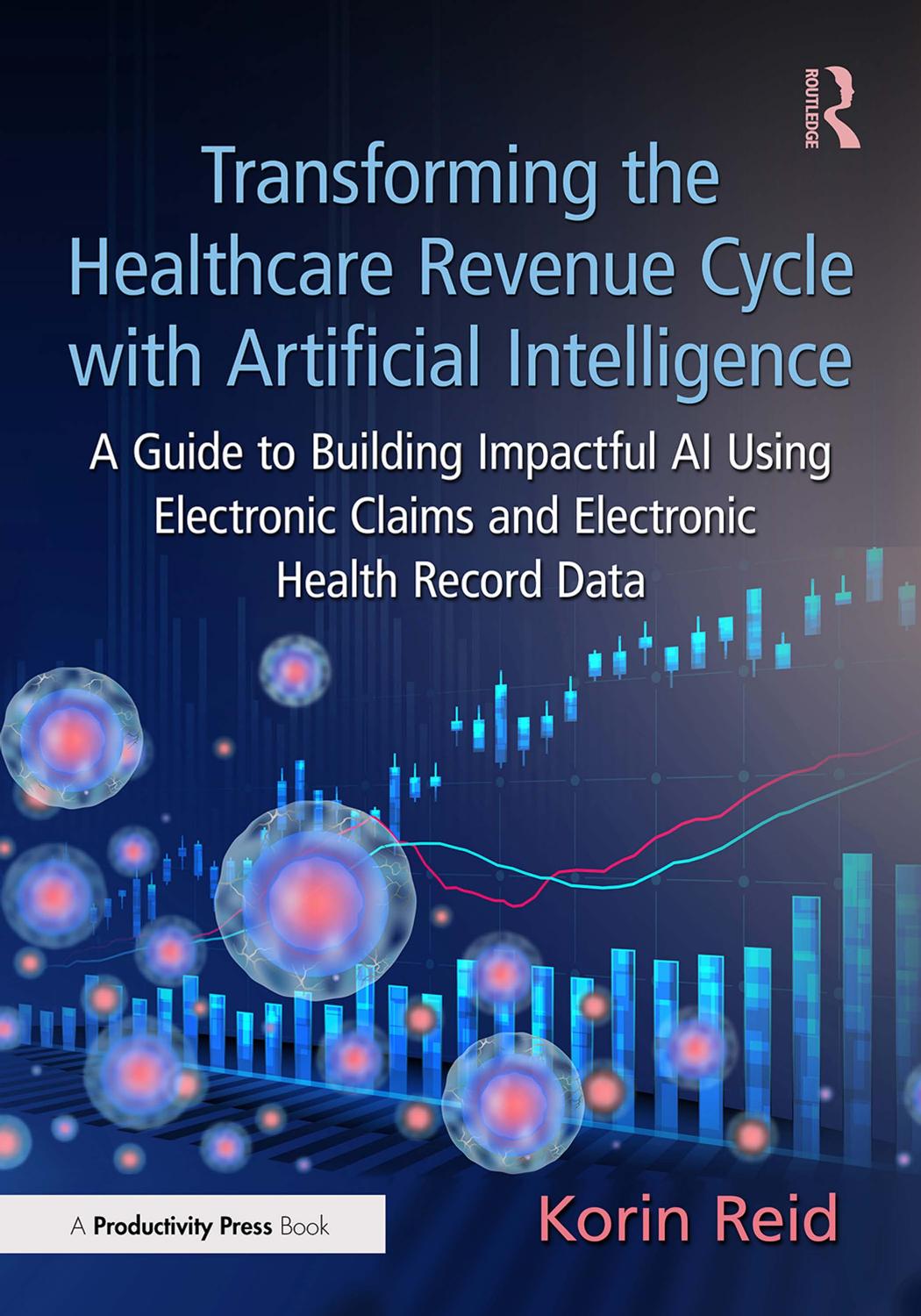
Transforming The Healthcare Revenue Cycle With Artificial Intelligence A Guide To Building Impactful Ai Using Electronic Claims And Electronic Health Record Data 1st Edition Korin Reid

  • SKU: BELL-237776826
Transforming The Healthcare Revenue Cycle With Artificial Intelligence A Guide To Building Impactful Ai Using Electronic Claims And Electronic Health Record Data 1st Edition Korin Reid
$ 35.00 $ 45.00 (-22%)

4.3

18 reviews

Transforming The Healthcare Revenue Cycle With Artificial Intelligence A Guide To Building Impactful Ai Using Electronic Claims And Electronic Health Record Data 1st Edition Korin Reid instant download after payment.

Publisher: Productivity Press
File Extension: PDF
File size: 2.38 MB
Author: Korin Reid
Language: English
Year: 2025
Edition: 1

Product desciption

Transforming The Healthcare Revenue Cycle With Artificial Intelligence A Guide To Building Impactful Ai Using Electronic Claims And Electronic Health Record Data 1st Edition Korin Reid by Korin Reid instant download after payment.

Revenue cycle management (RCM) refers to an institution’s financial management process that helps track, identify, collect, and manage incoming payments. This process helps businesses foster financial transparency within the company and charge patients the correct amount for the services they receive. But because of the unique healthcare payment system in the United States, relatively few of these dollars change hands directly between providers and their patients. Instead, there is a complex reimbursement system, mostly driven by third-party payment transactions between government programs and insurance companies, on the one hand, and healthcare providers, on the other.
Artificial intelligence (AI) can help predict claim denials by analyzing past denial trends and alerting health information management (HIM) professionals of potential denials in advance of billing. This affords an opportunity to review and correct claims pre-bill. One major benefit of AI in RCM is increased efficiency. By automating routine tasks, healthcare organizations can free up staff to focus on more important and value-added work. This can lead to improved productivity and faster turnaround times, ultimately resulting in improved patient care.
This book provides an informative blueprint to help hospital and healthcare revenue cycle administration personnel along their AI journey by using the most commonly available administrative datasets, electronic claims, and electronic health records. Peppered throughout the book are hilarious anecdotes and cautionary tales from the author’s experience in building AI solutions in the healthcare space.
The book begins with an overview of key concepts such as data science, machine learning, AI, language models (e.g., ChatGPT), and more. The author expands on the defined process in the context of common revenue cycle use cases that leverage electronic claims and electronic health records. Finally, the book provides guidance on how to evaluate AI solutions a

Related Products