logo

EbookBell.com

Most ebook files are in PDF format, so you can easily read them using various software such as Foxit Reader or directly on the Google Chrome browser.
Some ebook files are released by publishers in other formats such as .awz, .mobi, .epub, .fb2, etc. You may need to install specific software to read these formats on mobile/PC, such as Calibre.

Please read the tutorial at this link:  https://ebookbell.com/faq 


We offer FREE conversion to the popular formats you request; however, this may take some time. Therefore, right after payment, please email us, and we will try to provide the service as quickly as possible.


For some exceptional file formats or broken links (if any), please refrain from opening any disputes. Instead, email us first, and we will try to assist within a maximum of 6 hours.

EbookBell Team
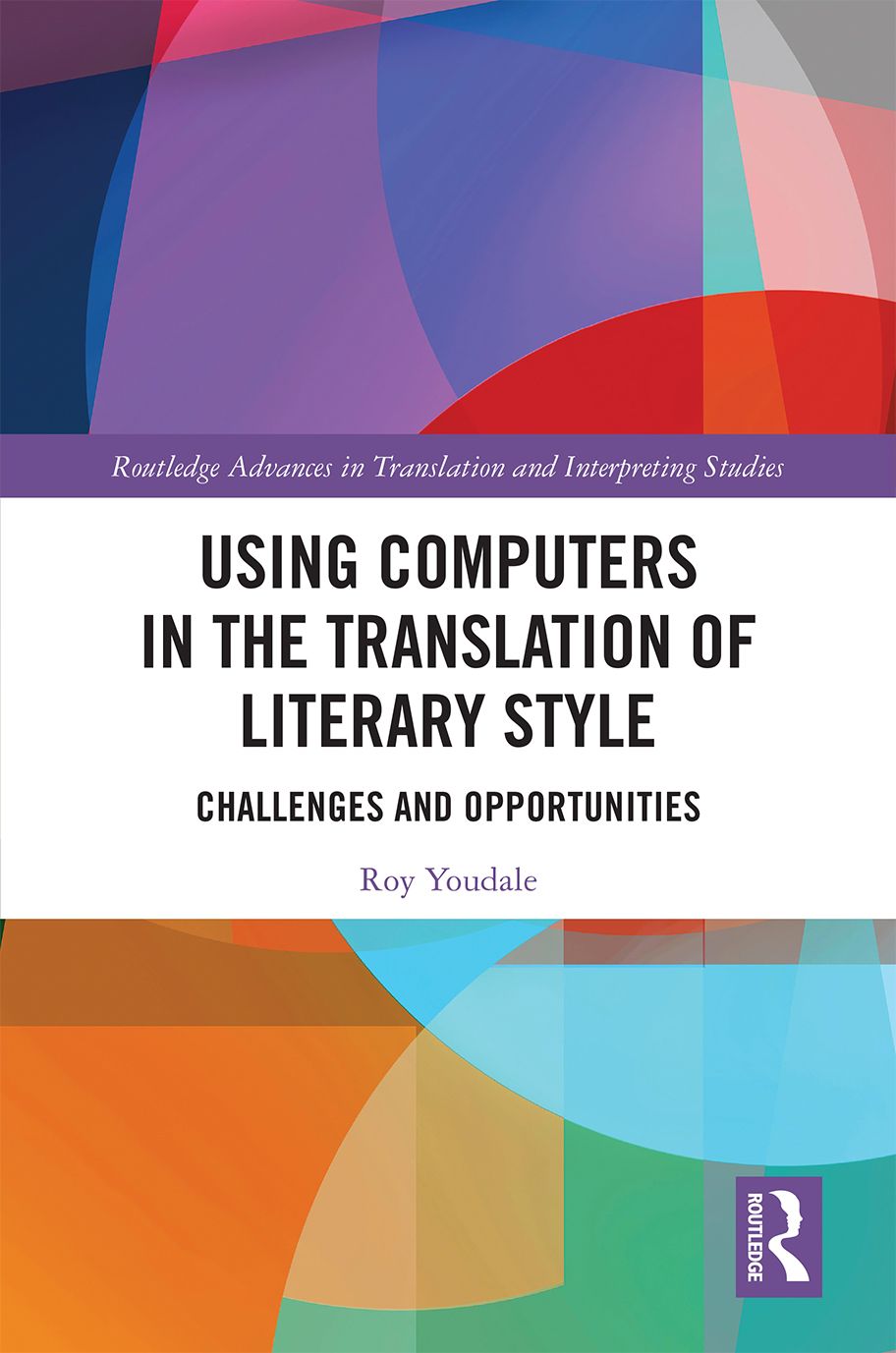
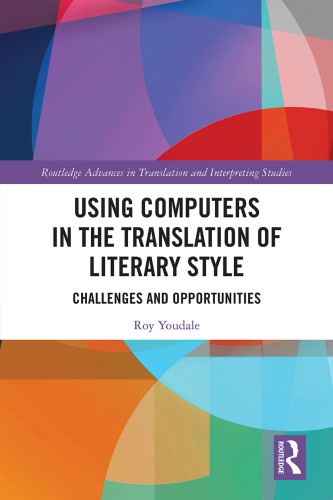
Using Computers In The Translation Of Literary Style Challenges And Opportunities Unknown

  • SKU: BELL-237331810
Using Computers In The Translation Of Literary Style Challenges And Opportunities Unknown
$ 35.00 $ 45.00 (-22%)

4.4

12 reviews

Using Computers In The Translation Of Literary Style Challenges And Opportunities Unknown instant download after payment.

Publisher: Routledge
File Extension: EPUB
File size: 22.71 MB
Author: Unknown
Language: English
Year: 2019

Product desciption

Using Computers In The Translation Of Literary Style Challenges And Opportunities Unknown by Unknown instant download after payment.

This volume argues for an innovative interdisciplinary approach to the analysis and translation of literary style, based on a mutually supportive combination of traditional close reading and ‘distant’ reading, involving corpus-linguistic analysis and text-visualisation. The book contextualises this approach within the broader story of the development of computer-assisted translation – including machine translation and the use of CAT tools – and elucidates the ways in which the approach can lead to better informed translations than those based on close reading alone. This study represents the first systematic attempt to use corpus linguistics and text-visualisation in the process of translating individual literary texts, as opposed to comparing and analysing already published originals and their translations. Using the case study of his translation into English of Uruguayan author Mario Benedetti’s 1965 novel Gracías por el Fuego, Youdale showcases how a close and distant reading (CDR) approach enhances the translator’s ability to detect and measure a variety of stylistic features, ranging from sentence length and structure to lexical richness and repetition, both in the source text and in their own draft translation, thus assisting them with the task of revision. The book reflects on the benefits and limitations of a CDR approach, its scalability and broader applicability in translation studies and related disciplines, making this key reading for translators, postgraduate students and scholars in the fields of literary translation, corpus linguistics, corpus stylistics and narratology.

Related Products