logo

EbookBell.com

Most ebook files are in PDF format, so you can easily read them using various software such as Foxit Reader or directly on the Google Chrome browser.
Some ebook files are released by publishers in other formats such as .awz, .mobi, .epub, .fb2, etc. You may need to install specific software to read these formats on mobile/PC, such as Calibre.

Please read the tutorial at this link:  https://ebookbell.com/faq 


We offer FREE conversion to the popular formats you request; however, this may take some time. Therefore, right after payment, please email us, and we will try to provide the service as quickly as possible.


For some exceptional file formats or broken links (if any), please refrain from opening any disputes. Instead, email us first, and we will try to assist within a maximum of 6 hours.

EbookBell Team
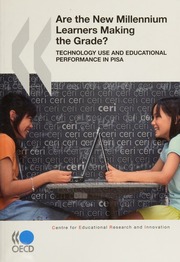
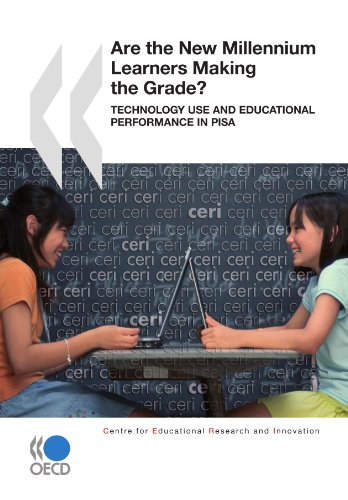
Are The New Millennium Learners Making The Grade Technology Use And Educational Performance In Pisa Pedro

  • SKU: BELL-239723084
Are The New Millennium Learners Making The Grade Technology Use And Educational Performance In Pisa Pedro
$ 35.00 $ 45.00 (-22%)

4.0

46 reviews

Are The New Millennium Learners Making The Grade Technology Use And Educational Performance In Pisa Pedro instant download after payment.

Publisher: [Paris] : Centre for Educational Research and Innovation, OECD
File Extension: PDF
File size: 10.22 MB
Author: Pedró, Francesc; Programme for International Student Assessment; Centre for Educational Research and Innovation; Organisation for Economic Co-operation and Development; SourceOECD (Online service)
Language: English
Year: 2010

Product desciption

Are The New Millennium Learners Making The Grade Technology Use And Educational Performance In Pisa Pedro by Pedró, Francesc; Programme For International Student Assessment; Centre For Educational Research And Innovation; Organisation For Economic Co-operation And Development; Sourceoecd (online Service) instant download after payment.

211 pages : 23 cm, Using data from PISA 2006, this book analyzes to what extent investments in technology enhance educational outcomes. One of the most striking findings of this study is that the digital divide in education goes beyond the issue of access to technology. A new second form of digital divide has been identified: the one existing between those who have the right competencies to benefit from computer use, and those who do not. These competencies and skills are closely linked to the economic, cultural and social capital of the student. This finding has important implications for policy and practice. Governments should make an effort to clearly convey the message that computer use matters for the education of young people and do their best to engage teachers and schools in raising the frequency of computer use to a level that becomes relevant. If schools and teachers are really committed to the development of 21st century competencies, such an increase will happen naturally. Only in these circumstances will clear correlations between technology use and educational performance emerge.--Publisher's description, Report managed by Francesc Pedró--P. 4, Includes bibliographical references, Introduction -- The policy debate about technology in education -- Students' access to information and communication technologies -- Students' use of information and communication technologies and the role of confidence -- Students' use of information and communication technologies and performance in PISA 2006 -- Conclusions and policy recommendations