Most ebook files are in PDF format, so you can easily read them using various software such as Foxit Reader or directly on the Google Chrome browser.
Some ebook files are released by publishers in other formats such as .awz, .mobi, .epub, .fb2, etc. You may need to install specific software to read these formats on mobile/PC, such as Calibre.
Please read the tutorial at this link: https://ebookbell.com/faq
We offer FREE conversion to the popular formats you request; however, this may take some time. Therefore, right after payment, please email us, and we will try to provide the service as quickly as possible.
For some exceptional file formats or broken links (if any), please refrain from opening any disputes. Instead, email us first, and we will try to assist within a maximum of 6 hours.
EbookBell Team
4.7
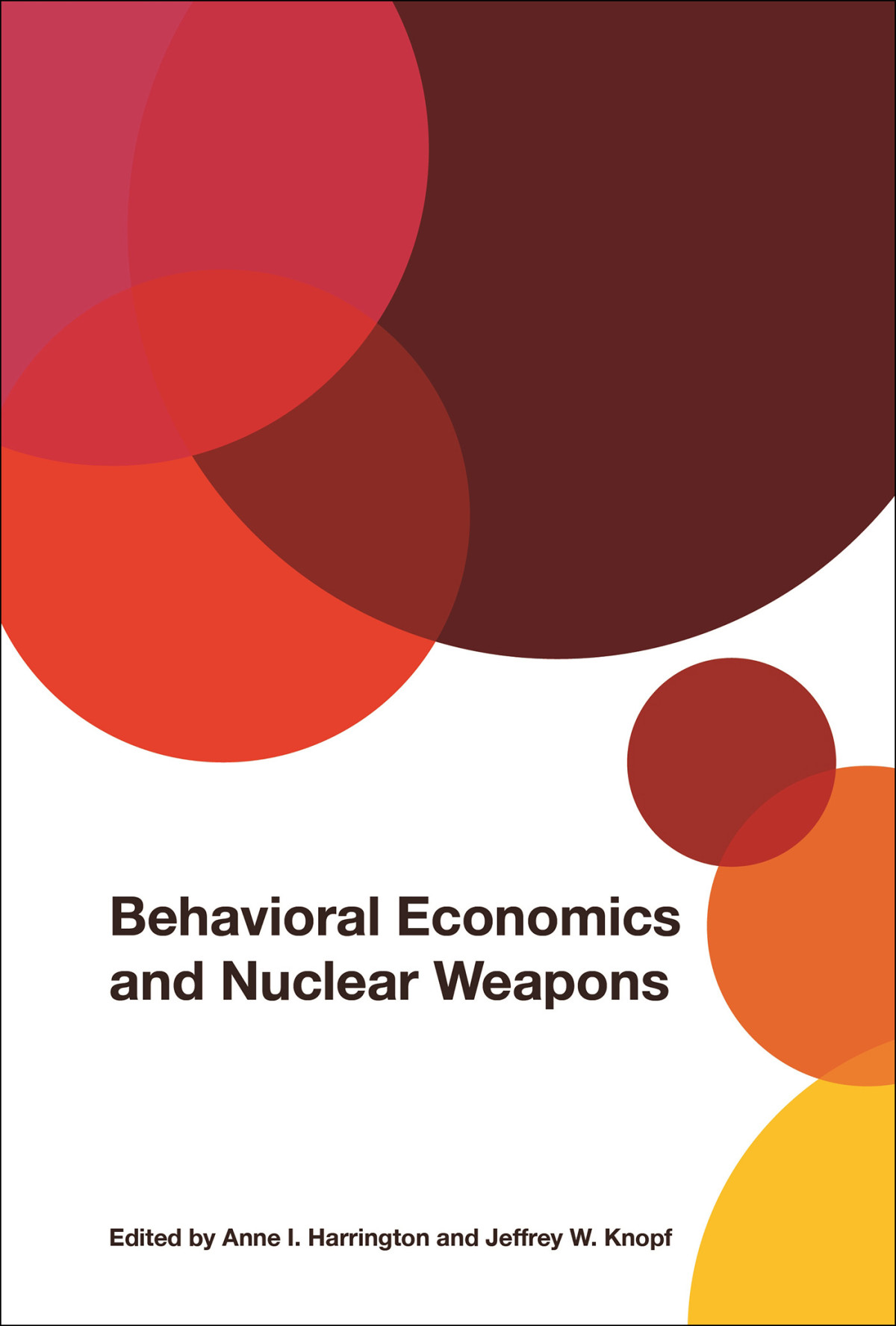
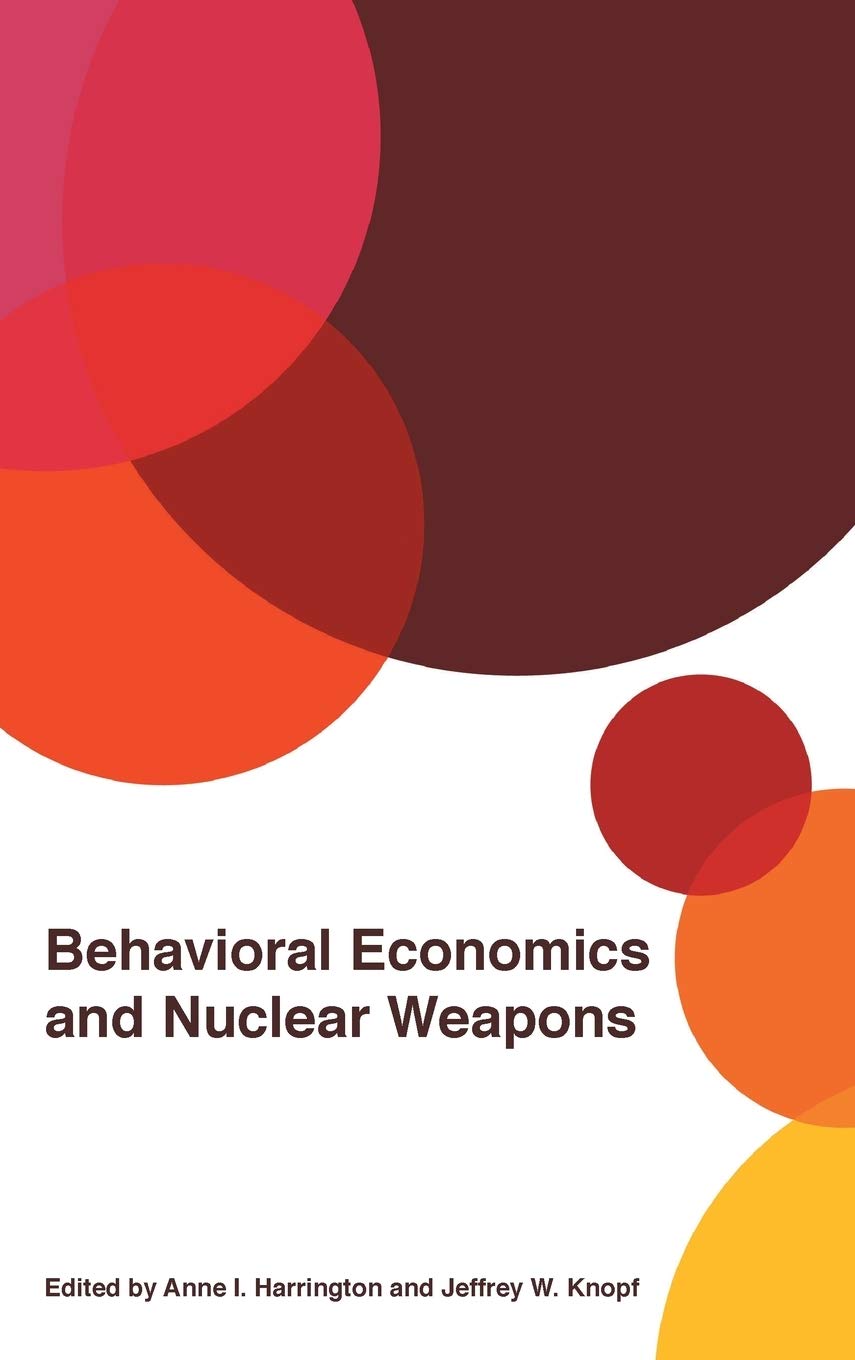
16 reviewsRecent discoveries in psychology and neuroscience have improved our understanding of why our decision making processes fail to match standard social science assumptions about rationality. As researchers such as Daniel Kahneman, Amos Tversky, and Richard Thaler have shown, people often depart in systematic ways from the predictions of the rational actor model of classic economic thought because of the influence of emotions, cognitive biases, an aversion to loss, and other strong motivations and values. These findings about the limits of rationality have formed the basis of behavioral economics, an approach that has attracted enormous attention in recent years.
This collection of essays applies the insights of behavioral economics to the study of nuclear weapons policy. Behavioral economics gives us a more accurate picture of how people think and, as a consequence, of how they make decisions about whether to acquire or use nuclear arms. Such decisions are made in real-world circumstances in which rational calculations about cost and benefit are intertwined with complicated emotions and subject to human limitations. Strategies for pursuing nuclear deterrence and nonproliferation should therefore, argue the contributors, account for these dynamics in a systematic way. The contributors to this collection examine how a behavioral approach might inform our understanding of topics such as deterrence, economic sanctions, the nuclear nonproliferation regime, and U.S. domestic debates about ballistic missile defense. The essays also take note of the limitations of a behavioral approach for dealing with situations in which even a single deviation from the predictions of any model can have dire consequences.