Most ebook files are in PDF format, so you can easily read them using various software such as Foxit Reader or directly on the Google Chrome browser.
Some ebook files are released by publishers in other formats such as .awz, .mobi, .epub, .fb2, etc. You may need to install specific software to read these formats on mobile/PC, such as Calibre.
Please read the tutorial at this link: https://ebookbell.com/faq
We offer FREE conversion to the popular formats you request; however, this may take some time. Therefore, right after payment, please email us, and we will try to provide the service as quickly as possible.
For some exceptional file formats or broken links (if any), please refrain from opening any disputes. Instead, email us first, and we will try to assist within a maximum of 6 hours.
EbookBell Team
5.0
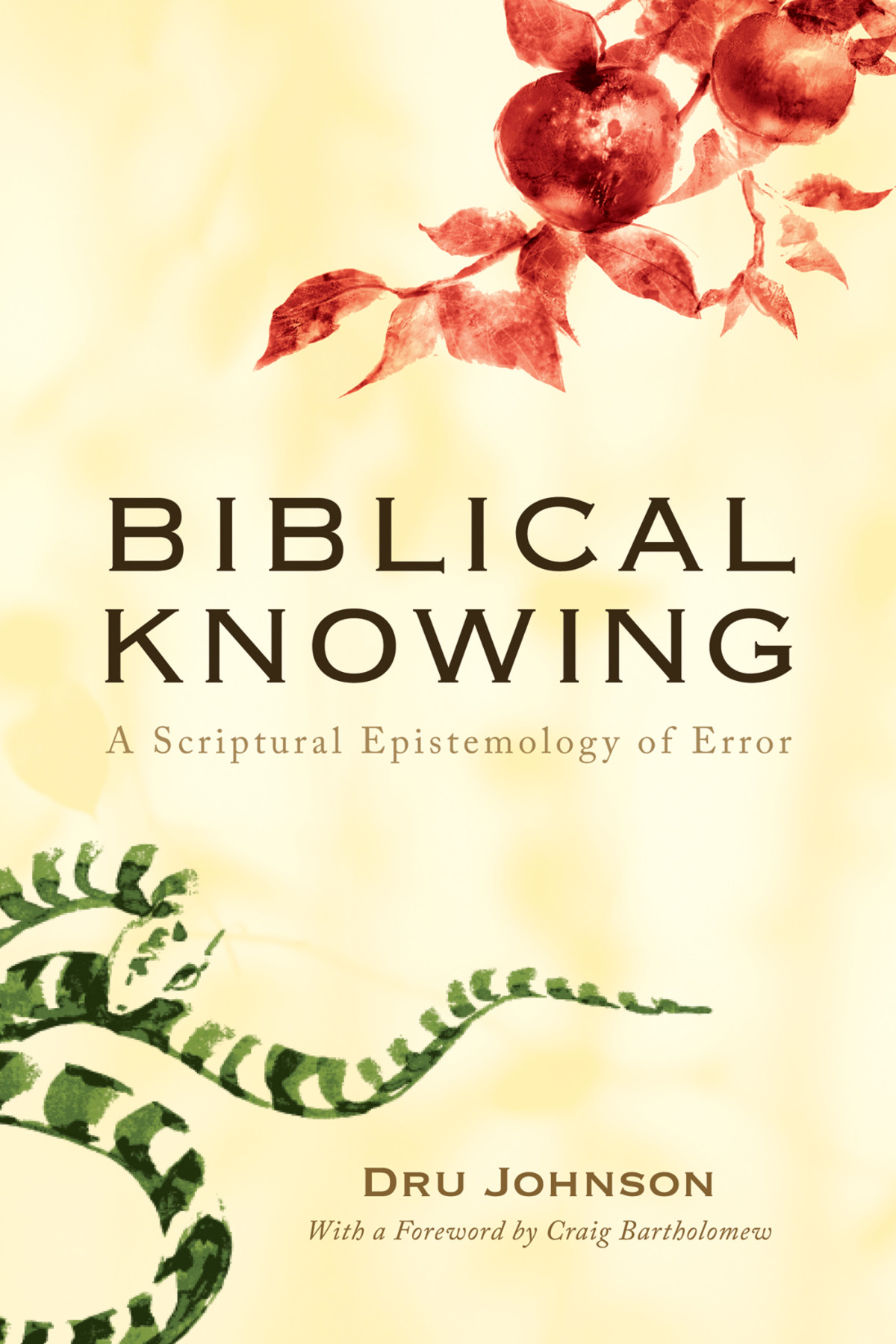
80 reviewsThe Christian Scriptures could be theologically described as beginning and ending with an epistemological outlook. The first episode of humanity's activity centers on the knowledge of good and evil. The final stage of humanity is pictured by Jeremiah as a universally prophetic and knowing society: 'And no longer shall each one teach his neighbor and each his brother, saying, 'Know the Lord', for they shall all know me, from the least of them to the greatest, declares the Lord' (Jer 31:34). What happens to knowledge in between? In this work, Dru Johnson reconsiders epistemology with the tool of biblical theology: an approach to knowledge as developed in Genesis 2 and explored throughout the Tanakh (i.e., the Old Testament) and New Testament. By re-examining the neglected idea that Christian Scripture might be developing robust descriptions of knowing that can direct us today, the ambition of this book is to lay the groundwork for a biblical theology of knowledge - how knowledge is broached, described, and how error is rectified within the texts of the Christian canon. Proper knowing as it occurs in the Scriptures means that there are better and worse ways to know. Even more, the epistemology that is found to be advocated in Scripture is not relegated to religious knowing. Johnson argues that scientific epistemology and biblical epistemology make significant points of contact suggesting that they are fundamentally consistent with each other.