Most ebook files are in PDF format, so you can easily read them using various software such as Foxit Reader or directly on the Google Chrome browser.
Some ebook files are released by publishers in other formats such as .awz, .mobi, .epub, .fb2, etc. You may need to install specific software to read these formats on mobile/PC, such as Calibre.
Please read the tutorial at this link: https://ebookbell.com/faq
We offer FREE conversion to the popular formats you request; however, this may take some time. Therefore, right after payment, please email us, and we will try to provide the service as quickly as possible.
For some exceptional file formats or broken links (if any), please refrain from opening any disputes. Instead, email us first, and we will try to assist within a maximum of 6 hours.
EbookBell Team
4.0
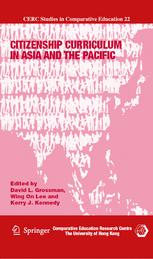
96 reviewsBased on case studies of 11 societies in the world’s most dynamic region, this book signals a new direction of study at the intersection of citizenship education and the curriculum. Following their successful volume, Citizenship Education in Asia and the Pacific: Concepts and Issues (published as No. 14 in this series), the editors, widely regarded as leaders in the field in the Asia-Pacific region, have gone beyond broad citizenship education frameworks to examine the realities, tensions and pressures that influence the formation of the citizenship curriculum. Chapter authors from different societies have addressed two fundamental questions: (1) how is citizenship education featured in the current curriculum reform agenda in terms of both policy contexts and values; and (2) to what extent do the reforms in citizenship education reflect current debates within the society? From comparative analysis of these 11 case studies the editors have found a complex picture of curriculum reform that indicates deep tensions between global and local agendas. On one hand, there is substantial evidence of an increasingly common policy rhetoric in the debates about citizenship education. On the other, it is evident that this discourse does not necessarily extend to citizenship curriculum, which in most places continues to be constructed according to distinctive social, political and cultural contexts. Whether the focus is on Islamic values in Pakistan, an emerging discourse about Chinese ‘democracy’, a nostalgic conservatism in Australia, or a continuing nation-building project in Malaysia – the cases show that distinctive social values and ideologies construct national citizenship curricula in Asian contexts even in this increasingly globalized era.
This impressive collection of case studies of a diverse group of societies informs and enriches understanding of the complex relationship between citizenship education and the curriculum both regionally and globally.