logo

EbookBell.com

Most ebook files are in PDF format, so you can easily read them using various software such as Foxit Reader or directly on the Google Chrome browser.
Some ebook files are released by publishers in other formats such as .awz, .mobi, .epub, .fb2, etc. You may need to install specific software to read these formats on mobile/PC, such as Calibre.

Please read the tutorial at this link:  https://ebookbell.com/faq 


We offer FREE conversion to the popular formats you request; however, this may take some time. Therefore, right after payment, please email us, and we will try to provide the service as quickly as possible.


For some exceptional file formats or broken links (if any), please refrain from opening any disputes. Instead, email us first, and we will try to assist within a maximum of 6 hours.

EbookBell Team
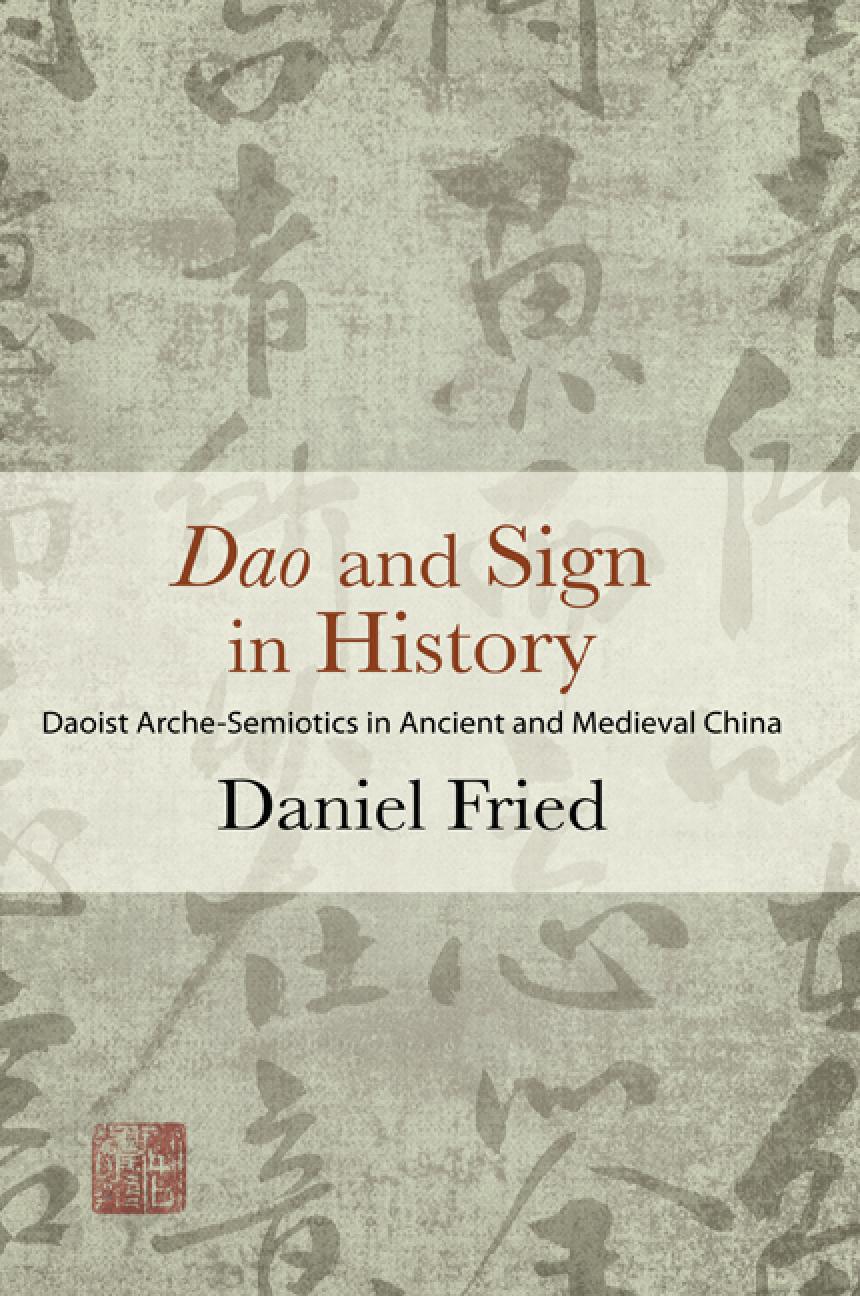
Dao And Sign In History Daoist Archesemiotics In Ancient And Medieval China Daniel Fried

  • SKU: BELL-33582936
Dao And Sign In History Daoist Archesemiotics In Ancient And Medieval China Daniel Fried
$ 35.00 $ 45.00 (-22%)

5.0

78 reviews

Dao And Sign In History Daoist Archesemiotics In Ancient And Medieval China Daniel Fried instant download after payment.

Publisher: State University of New York Press
File Extension: PDF
File size: 1.58 MB
Pages: 334
Author: Daniel Fried
ISBN: 9781438471938, 1438471939
Language: English
Year: 2018

Product desciption

Dao And Sign In History Daoist Archesemiotics In Ancient And Medieval China Daniel Fried by Daniel Fried 9781438471938, 1438471939 instant download after payment.

From its earliest origins in the Dao De Jing, Daoism has been known as a movement that is skeptical of the ability of language to fully express the truth. While many scholars have compared the earliest works of Daoism to language-skeptical movements in twentieth-century European philosophy and have debated to what degree early Daoism does or does not resemble these recent movements, Daniel Fried breaks new ground by examining a much broader array of Daoist materials from ancient and medieval China and showing how these works influenced ideas about language in medieval religion, literature, and politics. Through an extended comparison with a broad sample of European philosophical works, the book explores how ideas about language grow out of a given historical moment and advances a larger argument about how philosophical and religious ideas cannot be divided into content and context.

Related Products