Most ebook files are in PDF format, so you can easily read them using various software such as Foxit Reader or directly on the Google Chrome browser.
Some ebook files are released by publishers in other formats such as .awz, .mobi, .epub, .fb2, etc. You may need to install specific software to read these formats on mobile/PC, such as Calibre.
Please read the tutorial at this link: https://ebookbell.com/faq
We offer FREE conversion to the popular formats you request; however, this may take some time. Therefore, right after payment, please email us, and we will try to provide the service as quickly as possible.
For some exceptional file formats or broken links (if any), please refrain from opening any disputes. Instead, email us first, and we will try to assist within a maximum of 6 hours.
EbookBell Team
4.0
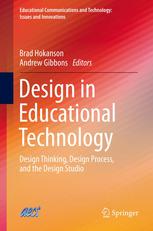
56 reviewsThis book is the result of a research symposium sponsored by the Association for Educational Communications and Technology [AECT]. The fifteen chapters were developed by leaders in the field and represent the most updated and cutting edge methodology in the areas of instructional design and instructional technology. The broad concepts of design, design thinking, the design process, and the design studio, are identified and they form the framework of the book. This book advocates the conscious adoption of a mindset of design thinking, such as that evident in a range of divergent professions including business, government, and medicine. At its core is a focus on “planning, inventing, making, and doing.” (Cross, 1982), all of which are of value to the field of educational technology. Additionally, the book endeavors to develop a deep understanding of the design process in the reader. It is a critical skill, often drawing from other traditional design fields. An examination of the design process as practiced, of new models for design, and of ways to connect theory to the development of educational products are all fully explored with the goal of providing guidance for emerging instructional designers and deepening the practice of more advanced practitioners. Finally, as a large number of leading schools of instructional design have adopted the studio form of education for their professional programs, we include this emerging topic in the book as a practical and focused guide for readers at all levels.