Most ebook files are in PDF format, so you can easily read them using various software such as Foxit Reader or directly on the Google Chrome browser.
Some ebook files are released by publishers in other formats such as .awz, .mobi, .epub, .fb2, etc. You may need to install specific software to read these formats on mobile/PC, such as Calibre.
Please read the tutorial at this link: https://ebookbell.com/faq
We offer FREE conversion to the popular formats you request; however, this may take some time. Therefore, right after payment, please email us, and we will try to provide the service as quickly as possible.
For some exceptional file formats or broken links (if any), please refrain from opening any disputes. Instead, email us first, and we will try to assist within a maximum of 6 hours.
EbookBell Team
4.1
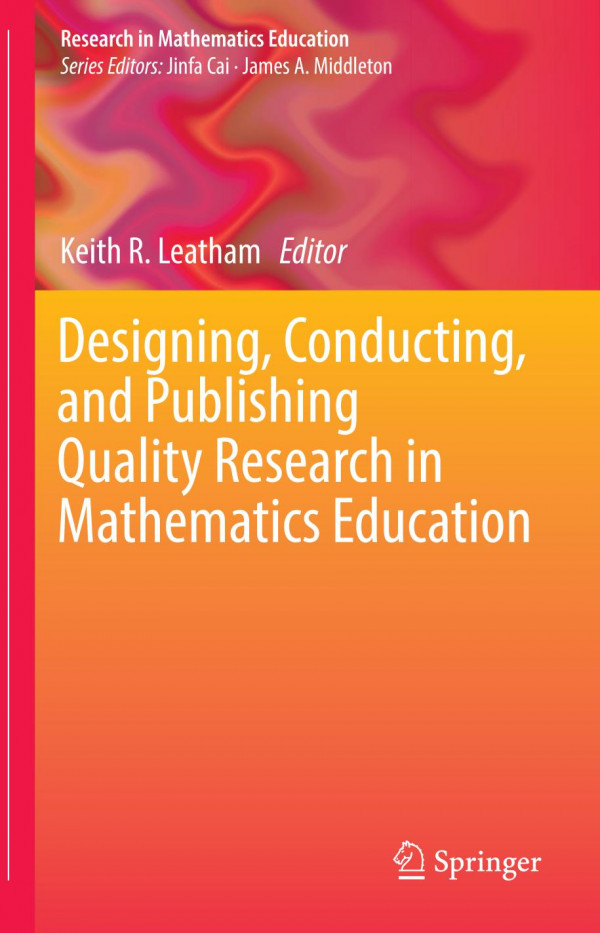
80 reviewsThe purpose of this book is to collect, organize and disseminate collective wisdom with respect to designing, conducting, and publishing quality research in mathematics education. This wisdom will be gleaned from among those who, over the past several decades, have been instrumental in guiding the field in the pursuit of excellence in mathematics education research—insightful editors, educative reviewers, prolific writers, and caring mentors. Each chapter is written to the novice researcher with the intent of aiding them in avoiding common pitfalls, navigating difficult intellectual terrain, and understanding that they are not alone in experiencing rejection, frustration, confusion, and doubt. This book differs from existing literature in the sense that it is written about the enterprise of designing, conducting and publishing research in mathematics education as opposed to being reports of the results of such work. It also differs in the sense that it is written with the intent to mentor the rising generation as opposed to capture the state of the field (as would happen in a handbook, for example). It is written for the express purpose of helping the field work collectively to aid in the often isolated enterprise of mentoring new researchers. The primary audience is a potentially wide one: graduate students, novice researchers, graduate faculty, advisors, and mentors – or anyone seeking to improve their own abilities to design, conduct, and publish quality research in mathematics education.