Most ebook files are in PDF format, so you can easily read them using various software such as Foxit Reader or directly on the Google Chrome browser.
Some ebook files are released by publishers in other formats such as .awz, .mobi, .epub, .fb2, etc. You may need to install specific software to read these formats on mobile/PC, such as Calibre.
Please read the tutorial at this link: https://ebookbell.com/faq
We offer FREE conversion to the popular formats you request; however, this may take some time. Therefore, right after payment, please email us, and we will try to provide the service as quickly as possible.
For some exceptional file formats or broken links (if any), please refrain from opening any disputes. Instead, email us first, and we will try to assist within a maximum of 6 hours.
EbookBell Team
4.4
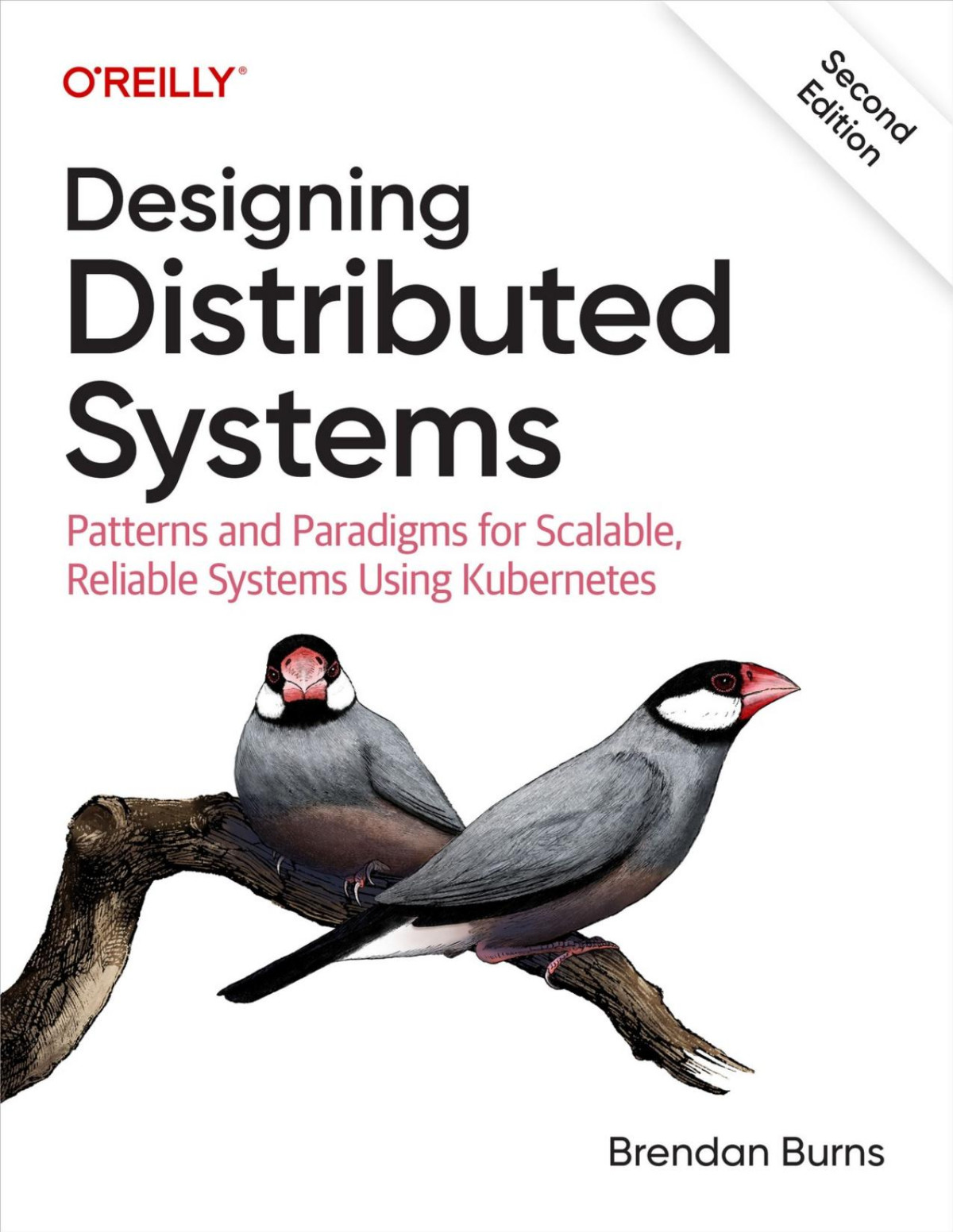
82 reviewsEvery distributed system strives for reliability, performance, and quality, but building such a system is hard. Establishing a set of design patterns enables software developers and system architects to use a common language to describe their systems and learn from the patterns and practices developed by others.
The popularity of containers and Kubernetes paves the way for core distributed system patterns and reusable containerized components. This practical guide presents a collection of repeatable, generic patterns to help guide the systems you build using common patterns and practices drawn from some of the highest performing distributed systems in use today. These common patterns make the systems you build far more approachable and efficient, even if you've never built a distributed system before.
Author Brendan Burns demonstrates how you can adapt existing software design patterns for designing and building reliable distributed applications. Systems engineers and application developers will learn how these long-established patterns provide a common language and framework for dramatically increasing the quality of your system.
This fully updated second edition includes new chapters on AI inference, AI training, and building robust systems for the real world.