Most ebook files are in PDF format, so you can easily read them using various software such as Foxit Reader or directly on the Google Chrome browser.
Some ebook files are released by publishers in other formats such as .awz, .mobi, .epub, .fb2, etc. You may need to install specific software to read these formats on mobile/PC, such as Calibre.
Please read the tutorial at this link: https://ebookbell.com/faq
We offer FREE conversion to the popular formats you request; however, this may take some time. Therefore, right after payment, please email us, and we will try to provide the service as quickly as possible.
For some exceptional file formats or broken links (if any), please refrain from opening any disputes. Instead, email us first, and we will try to assist within a maximum of 6 hours.
EbookBell Team
4.7
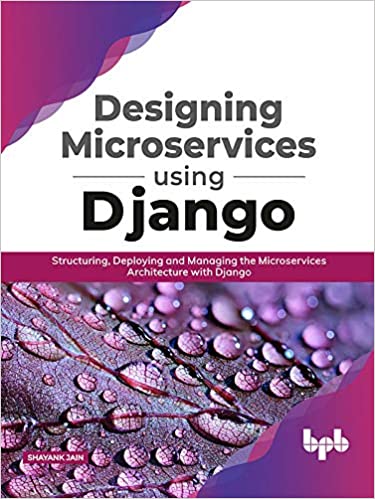
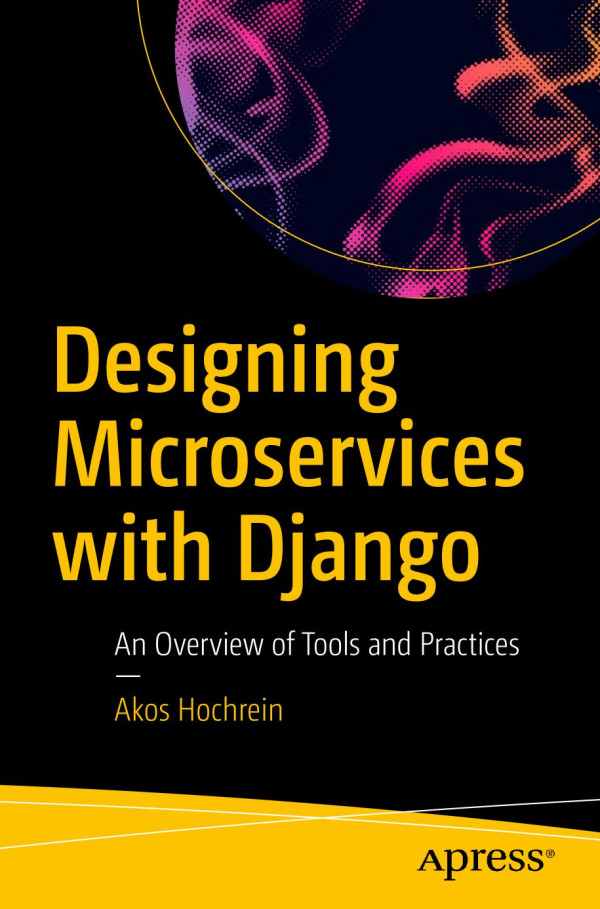
106 reviewsExplore microservices using the Python-based Django framework and review the benefits and drawbacks of them. This book will examine what microservices look like, how they talk to each other, and how they are crafted using the Python programming language and the Django web framework.
You’ll start by understanding what the key differences are between microservices and monolithic architectures. The book then does a deep dive into how microservices are built and what common models have emerged in our industry. You’ll also take an extensive look at communication and ownership patterns and examine methodologies to speed up your architecture evolution by writing less but more distributed code using the Python programming language and the Django web framework.
By the end of the book, you’ll have a solid understanding of microservices architectures. Armed with a comprehensive and solid toolset, you can begin working toward systems that are more scalable, resilient, and maintainable.
What You’ll Learn