Most ebook files are in PDF format, so you can easily read them using various software such as Foxit Reader or directly on the Google Chrome browser.
Some ebook files are released by publishers in other formats such as .awz, .mobi, .epub, .fb2, etc. You may need to install specific software to read these formats on mobile/PC, such as Calibre.
Please read the tutorial at this link: https://ebookbell.com/faq
We offer FREE conversion to the popular formats you request; however, this may take some time. Therefore, right after payment, please email us, and we will try to provide the service as quickly as possible.
For some exceptional file formats or broken links (if any), please refrain from opening any disputes. Instead, email us first, and we will try to assist within a maximum of 6 hours.
EbookBell Team
4.4
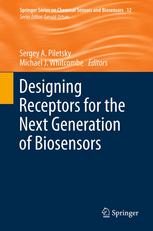
82 reviewsDespite achievements in the application of enzymes, antibodies and biological receptors to diagnostics and sensing, the last two decades have also witnessed the emergence of a number of alternative technologies based on synthetic chemistry. This volume shows how synthetic receptors can be designed with characteristics that make them attractive alternatives to biological molecules in the sensory and diagnostics fields, with contributions from leading experts in the area. Subjects covered include synthetic receptors for a range of biomolecules, the use of antimicrobial peptides for the detection of pathogenic microorganisms, the development of molecularly imprinted polymer (MIP) nanoparticles, the in silico design of MIPs and MIP-based sensors, and two chapters examining the development of sensors from an industrial point of view. The particular focus of all chapters is on practical aspects, either in the development process or the applications of the synthesized materials. This book will serve as an important reference work for business leaders and technology experts in the sensors and diagnostics sector.