logo

EbookBell.com

Most ebook files are in PDF format, so you can easily read them using various software such as Foxit Reader or directly on the Google Chrome browser.
Some ebook files are released by publishers in other formats such as .awz, .mobi, .epub, .fb2, etc. You may need to install specific software to read these formats on mobile/PC, such as Calibre.

Please read the tutorial at this link:  https://ebookbell.com/faq 


We offer FREE conversion to the popular formats you request; however, this may take some time. Therefore, right after payment, please email us, and we will try to provide the service as quickly as possible.


For some exceptional file formats or broken links (if any), please refrain from opening any disputes. Instead, email us first, and we will try to assist within a maximum of 6 hours.

EbookBell Team
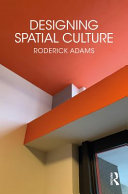
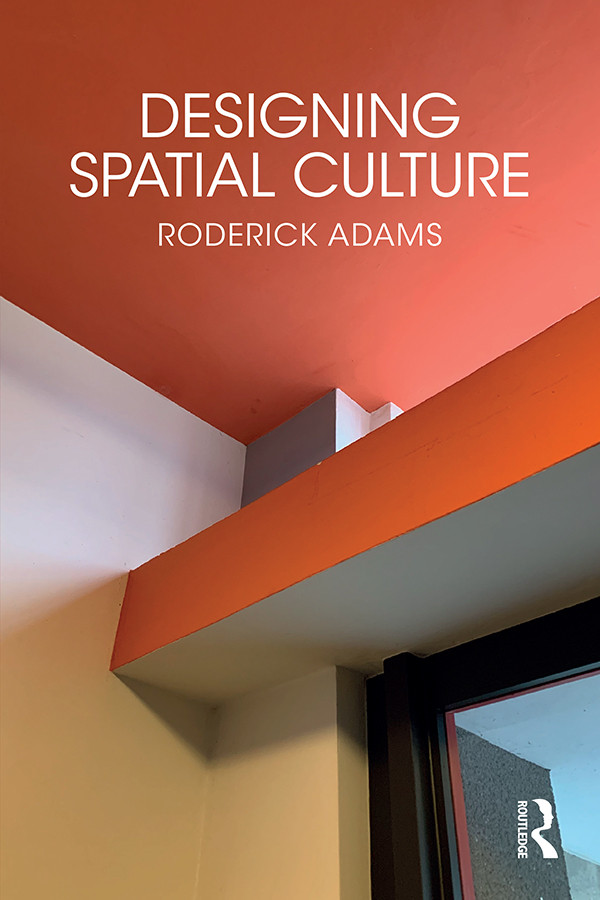
Designing Spatial Culture Roderick Adams

  • SKU: BELL-52601226
Designing Spatial Culture Roderick Adams
$ 35.00 $ 45.00 (-22%)

4.3

18 reviews

Designing Spatial Culture Roderick Adams instant download after payment.

Publisher: Routledge
File Extension: PDF
File size: 36.94 MB
Pages: 191
Author: Roderick Adams
ISBN: 9781003270393, 1003270395
Language: English
Year: 2024

Product desciption

Designing Spatial Culture Roderick Adams by Roderick Adams 9781003270393, 1003270395 instant download after payment.

"Designing Spatial Culture investigates a powerful experiential dialogue formed between the habitation of space and a diversified cultural realm. This creative proposition binds and positions human activity and experience framing its histories, currency and future. Whilst the book distinguishes between the conditions of the existing urban/ architecture/ interior canon, it embraces a new agency of space, showcasing the encounters, assemblies and designs that shape human behaviours and the cultural forms of the built environment. Using authoritative case studies, the book examines many locations and spaces, ranging from new urban landscapes, historical domestic spaces and contemporary architecture. It embraces the most lavish and flamboyant to the most simplistic and minimal, establishing a connected cultural narrative. The book shifts the focus in the spatial realm from an object-based experience (where space is filled with things) to a more complete immersive experience (combining physical and digital). A key part of this exploration is the relationship between the architecture and the interior which is often the most predominant spatial experience and fundamental to the understanding spatial experience and existing cultures. Without the architectural enclosure, the interior would lose its site context and structure for its existence. Without an interior, architecture would not fully develop an engaging spatial experience for the user. The book rationalises this through extended use of a spatial probe which documents and summarises an evidence-based research project capturing spatial culture data from a predominantly domestic setting. The book is essential reading for students and researchers in architecture, interior design and urban design"--

Related Products