Most ebook files are in PDF format, so you can easily read them using various software such as Foxit Reader or directly on the Google Chrome browser.
Some ebook files are released by publishers in other formats such as .awz, .mobi, .epub, .fb2, etc. You may need to install specific software to read these formats on mobile/PC, such as Calibre.
Please read the tutorial at this link: https://ebookbell.com/faq
We offer FREE conversion to the popular formats you request; however, this may take some time. Therefore, right after payment, please email us, and we will try to provide the service as quickly as possible.
For some exceptional file formats or broken links (if any), please refrain from opening any disputes. Instead, email us first, and we will try to assist within a maximum of 6 hours.
EbookBell Team
5.0
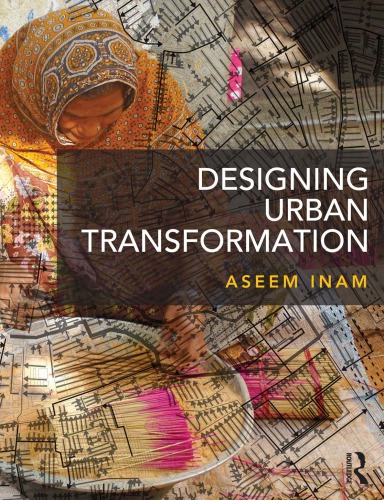
60 reviewsWhile designers possess the creative capabilities of shaping cities, their often-singular obsession with form and aesthetics actually reduces their effectiveness as they are at the mercy of more powerful generators of urban form. In response to this paradox, Designing Urban Transformation addresses the incredible potential of urban practice to radically change cities for the better. The book focuses on a powerful question, "What can urbanism be?" by arguing that the most significant transformations occur by fundamentally rethinking concepts, practices, and outcomes. Drawing inspiration from the philosophical movement known as Pragmatism, the book proposes three conceptual shifts for transformative urban practice:
(a) beyond material objects: city as flux,
(b) beyond intentions: consequences of design, and
(c) beyond practice: urbanism as creative political act.
Pragmatism encourages us to consider how we can make deeper and more systemic changes and how urbanism itself can be a design strategy for such transformations. To illuminate how these conceptual shifts operate in vastly different contexts through analysis of transformative urban initiatives and projects in Belo Horizonte, Boston, Cairo, Karachi, Los Angeles, New Delhi, and Paris. The book is a rare integration of theory and practice that proposes essential ways of rethinking city-design-and-building processes, while drawing critical lessons from actual examples of such processes.