Most ebook files are in PDF format, so you can easily read them using various software such as Foxit Reader or directly on the Google Chrome browser.
Some ebook files are released by publishers in other formats such as .awz, .mobi, .epub, .fb2, etc. You may need to install specific software to read these formats on mobile/PC, such as Calibre.
Please read the tutorial at this link: https://ebookbell.com/faq
We offer FREE conversion to the popular formats you request; however, this may take some time. Therefore, right after payment, please email us, and we will try to provide the service as quickly as possible.
For some exceptional file formats or broken links (if any), please refrain from opening any disputes. Instead, email us first, and we will try to assist within a maximum of 6 hours.
EbookBell Team
5.0
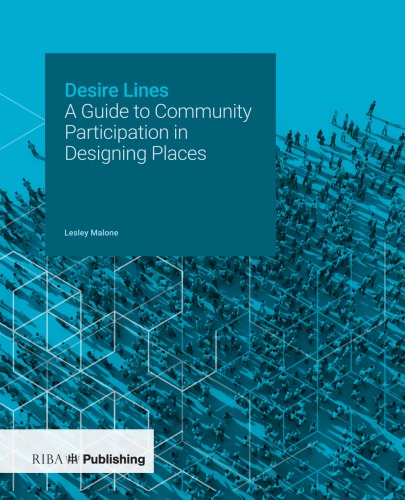
88 reviewsDesire lines are the paths that people create through regular usage. They appear where people repeatedly choose to walk and usually signify a route from A to B that’s quicker than the formal path provided. In most cases they indicate the mismatch between what local people want and what designers think people want. By employing some social research basics in the design development process, placemakers can work more meaningfully with local communities to meet their needs and aspirations.
This is a practical guide to running public consultations, co-design and community engagement to help practitioners make the most of local knowledge and insight for the benefit of design. It offers guidance on managing community participation, and unapologetically aims to encourage designers to start thinking like social researchers when they undertake these programmes.
It’s intended for placemakers - architects, urban designers, landscape architects, and other built environment professionals involved in the planning and design of public realm - who want to develop more people-centred, community-led design approaches.