Most ebook files are in PDF format, so you can easily read them using various software such as Foxit Reader or directly on the Google Chrome browser.
Some ebook files are released by publishers in other formats such as .awz, .mobi, .epub, .fb2, etc. You may need to install specific software to read these formats on mobile/PC, such as Calibre.
Please read the tutorial at this link: https://ebookbell.com/faq
We offer FREE conversion to the popular formats you request; however, this may take some time. Therefore, right after payment, please email us, and we will try to provide the service as quickly as possible.
For some exceptional file formats or broken links (if any), please refrain from opening any disputes. Instead, email us first, and we will try to assist within a maximum of 6 hours.
EbookBell Team
4.4
42 reviewsContributors : Pranab Bardhan, Ernest Aryeetey, Paul-Aarons Ngomo, Shourya Sen, Leonard Wantchekon, Mukesh Eswaran, Debin Ma, François Bourguignon,Jean-Philippe Platteau, Bishnupriya Gupta, Sergei Guriev, Dilip Mookherjee, Mustapha Kamel Nabli, Carmen Matutes, Piroska Nagy Mohácsi, Avinash Dixit, Luiz De Mello, Marianne David, Pierre Pestieau, Luc Leruth, Danielle Meuwly, Alfred Steinherr, Stuti Khemani, Célestin Monga, Mark Koyama
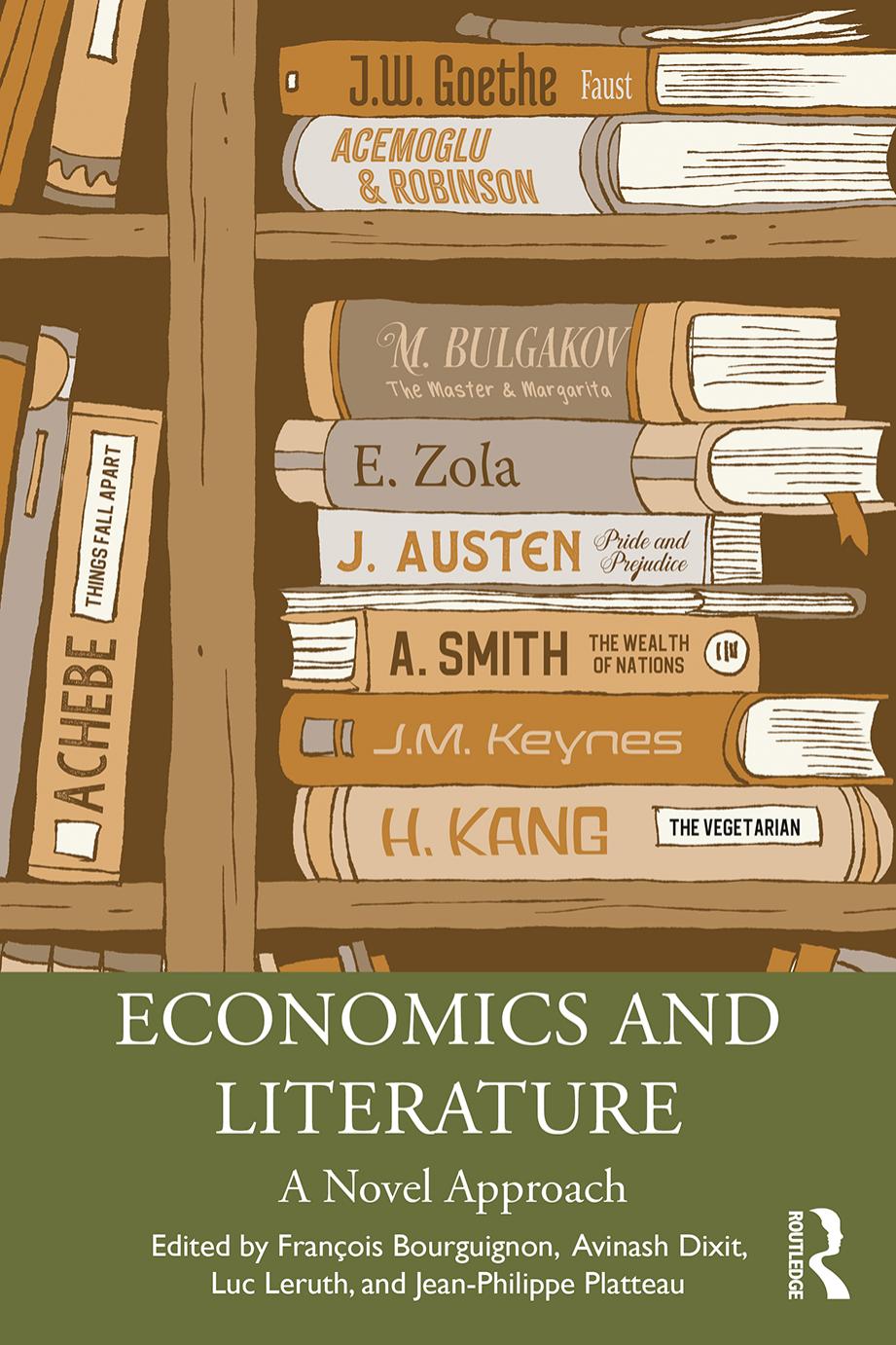
Economics and fiction often pursue parallel objectives. Economists analyze human decisions and interactions in markets and other institutions. Fiction writers also provide keen insights into individual minds and motives, examining how their characters respond to conflict and tensions in varied situations. This book explores the insights to be gained from developing this parallel.
In each chapter, economists discuss classic or contemporary literary creations, exploring economic incentives that motivate the characters, the economic mechanisms that tie them together, and/or the economic context in which they live and develop. Exploring the synergy across economics and literature offers new understandings of themes, including capitalism and colonialism, marriage and markets, gender norms, inheritance and estates, and the political economy of poverty. The broad and deep range of literary works includes writers from Shakespeare and Goethe, through Chekov and Steinbeck, to recent Nobelists Abdulrazak Gurnah and Han Kang. By offering new understandings of both economics and literature, readers will gain deeper insights into people’s thought processes, choices, and consequences.
This book will captivate readers in economics, social sciences, and the humanities and open their minds to the viewing of economic ideas and concepts through the prism of great works of literature.