Most ebook files are in PDF format, so you can easily read them using various software such as Foxit Reader or directly on the Google Chrome browser.
Some ebook files are released by publishers in other formats such as .awz, .mobi, .epub, .fb2, etc. You may need to install specific software to read these formats on mobile/PC, such as Calibre.
Please read the tutorial at this link: https://ebookbell.com/faq
We offer FREE conversion to the popular formats you request; however, this may take some time. Therefore, right after payment, please email us, and we will try to provide the service as quickly as possible.
For some exceptional file formats or broken links (if any), please refrain from opening any disputes. Instead, email us first, and we will try to assist within a maximum of 6 hours.
EbookBell Team
4.7
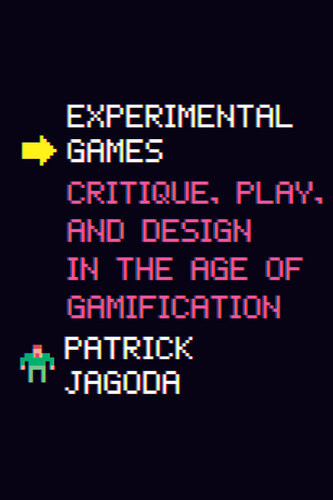
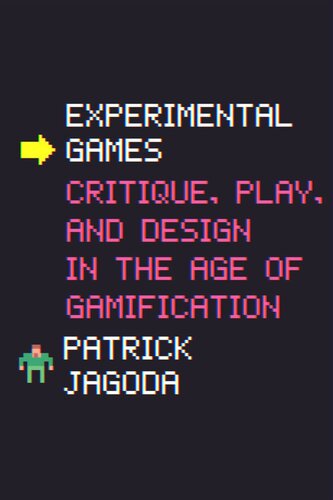
106 reviewsIn our unprecedentedly networked world, games have come to occupy an important space in many of our everyday lives. Digital games alone engage an estimated 2.5 billion people worldwide as of 2020, and other forms of gaming, such as board games, role playing, escape rooms, and puzzles, command an ever-expanding audience. At the same time, “gamification”—the application of game mechanics to traditionally nongame spheres, such as personal health and fitness, shopping, habit tracking, and more—has imposed unprecedented levels of competition, repetition, and quantification on daily life.
Drawing from his own experience as a game designer, Patrick Jagoda argues that games need not be synonymous with gamification. He studies experimental games that intervene in the neoliberal project from the inside out, examining a broad variety of mainstream and independent games, including StarCraft, Candy Crush Saga, Stardew Valley, Dys4ia, Braid, and Undertale. Beyond a diagnosis of gamification, Jagoda imagines ways that games can be experimental—not only in the sense of problem solving, but also the more nuanced notion of problem making that embraces the complexities of our digital present. The result is a game-changing book on the sociopolitical potential of this form of mass entertainment.