Most ebook files are in PDF format, so you can easily read them using various software such as Foxit Reader or directly on the Google Chrome browser.
Some ebook files are released by publishers in other formats such as .awz, .mobi, .epub, .fb2, etc. You may need to install specific software to read these formats on mobile/PC, such as Calibre.
Please read the tutorial at this link: https://ebookbell.com/faq
We offer FREE conversion to the popular formats you request; however, this may take some time. Therefore, right after payment, please email us, and we will try to provide the service as quickly as possible.
For some exceptional file formats or broken links (if any), please refrain from opening any disputes. Instead, email us first, and we will try to assist within a maximum of 6 hours.
EbookBell Team
0.0
0 reviews"An unflinching view into the dark side of an industry meant to be the hope of those caught in the grip of addiction..." - Dr. Jay Kuchera, MD, FASAM
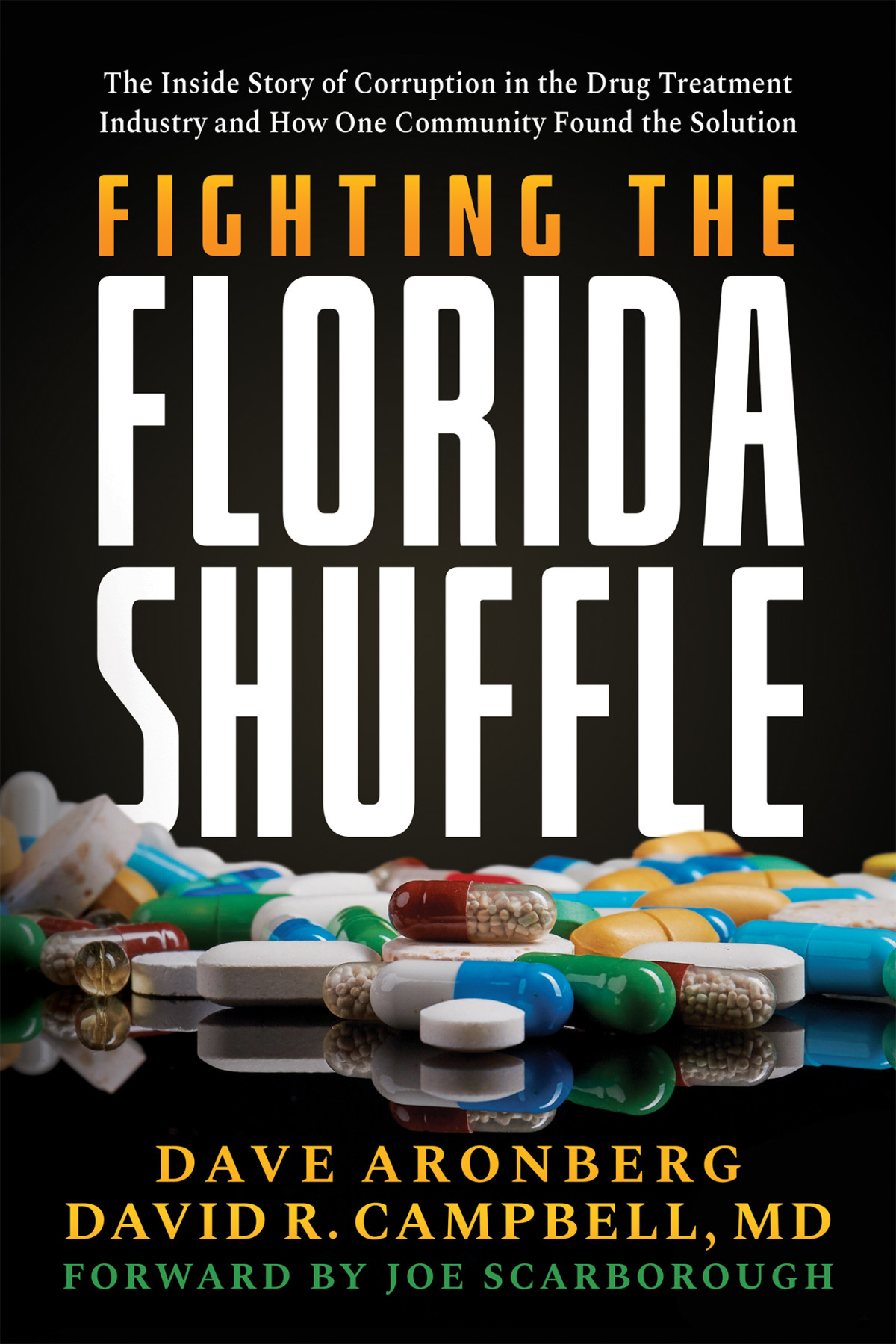
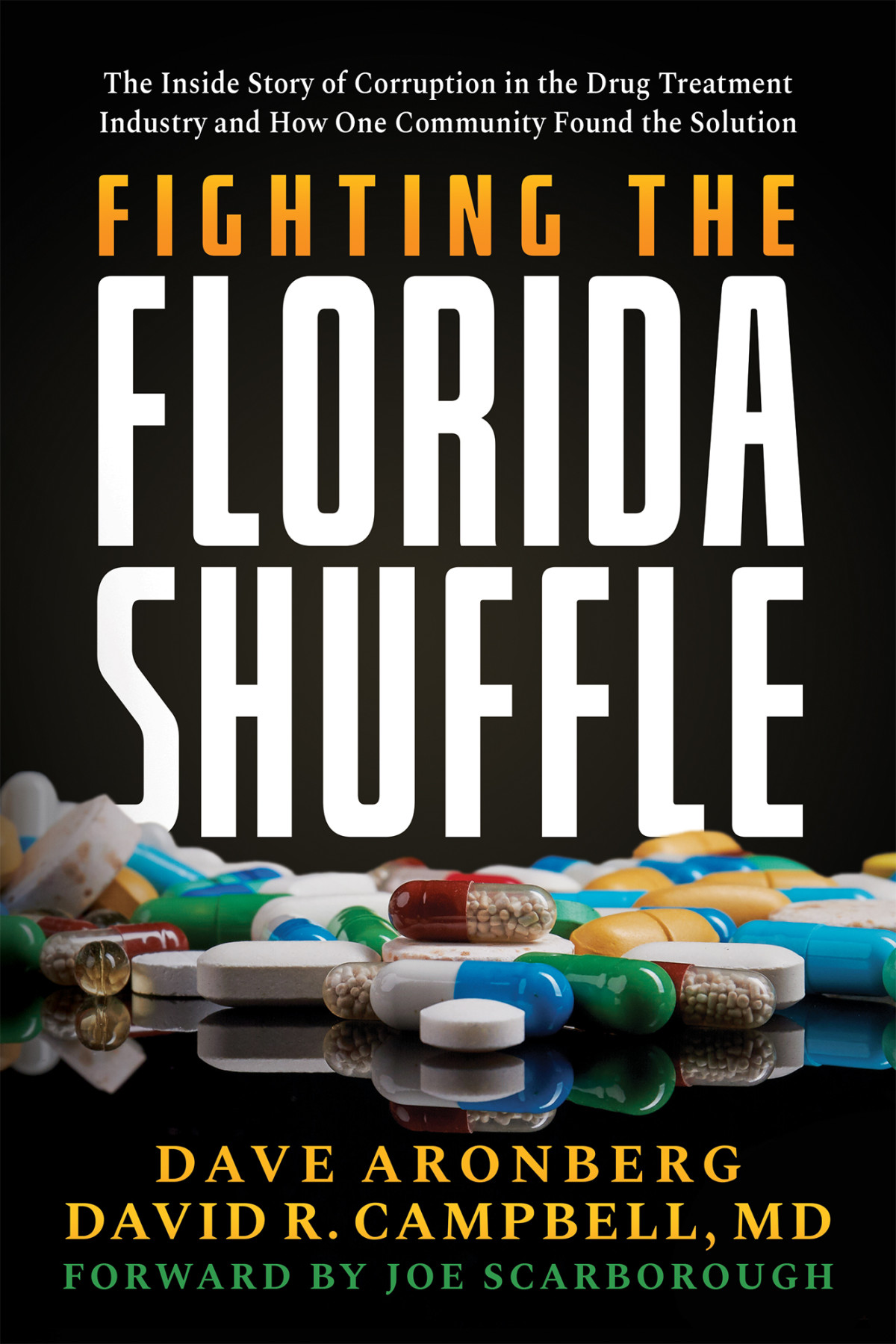
Motivated by greed, Purdue Pharma's explosive marketing of its powerful painkiller, OxyContin, helped create the opioid epidemic that kills over 200 people every day in the United States. Many more battle substance use disorders that impact health, happiness, family relations, and jobs. Federal policymakers have responded with laws that require insurance policies to cover drug treatment and classify addiction as a preexisting condition. But what happens when the rehab industry itself is corrupted, leading to the untimely death of individuals in their care?
Fighting the Florida Shuffle is a gripping account of how unscrupulous players have infiltrated the drug treatment industry, and how well-intended, yet naïve policymakers continue to incentivize relapse over recovery. Former State Attorney Dave Aronberg and MSNBC Chief Medical Correspondent Dr. Dave Campbell tell the stories of victims enticed with free plane tickets and other illicit benefits to enter substandard outpatient rehab and live in flophouses masquerading as "sober homes," leaving too often in ambulances and body bags. The authors offer an insiders' perspective from the world of law enforcement and medicine on how corporate malfeasance fueled the rise in opioid overdoses, how families can identify and avoid rehab scams, and how one community fought back to clean up the industry and put the worst offenders behind bars.
Drug treatment has become a thriving enterprise, but the profit motive has lured predators to exploit the vulnerable who seek help. As rogue rehab owners line their pockets through insurance fraud, patient brokering and illegal kickbacks, their victims leave behind grieving families and loved ones, who wonder how the insurance coverage thought to be a lifeline led to increased overdose and premature death.