Most ebook files are in PDF format, so you can easily read them using various software such as Foxit Reader or directly on the Google Chrome browser.
Some ebook files are released by publishers in other formats such as .awz, .mobi, .epub, .fb2, etc. You may need to install specific software to read these formats on mobile/PC, such as Calibre.
Please read the tutorial at this link: https://ebookbell.com/faq
We offer FREE conversion to the popular formats you request; however, this may take some time. Therefore, right after payment, please email us, and we will try to provide the service as quickly as possible.
For some exceptional file formats or broken links (if any), please refrain from opening any disputes. Instead, email us first, and we will try to assist within a maximum of 6 hours.
EbookBell Team
0.0
0 reviews
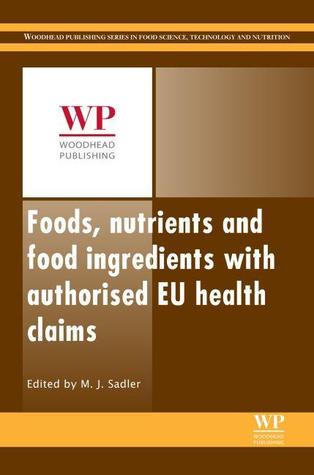
ISBN 10: 0081009224
ISBN 13: 9780081009222
Author: Woodhead Publishing
Part One: Regulatory Background
1: European health claims: regulatory developments
Abstract
1.1. Introduction
1.2. Health claim applications
1.3. REFIT evaluation of Nutrition and Health Claims Regulation
1.4. Communications to health professionals
1.5. Guidance
1.6. EFSA developments
1.7. Changing political landscape
1.8. Conclusions
1.9. Sources of further information and advice
2: Consumers and health claims
Abstract
2.1. Introduction
2.2. Regulation of health claims in Europe and food innovation
2.3. Health claims: what is currently on the market?
2.4. How health claims affect consumers
2.5. A realistic perspective on the effect of health claims on consumers
Part Two: Authorised Reduction of Disease Risk Claims
3: Authorised EU health claims for calcium and calcium with vitamin D (for low bone mineral density and risk of fractures)
Abstract
3.1. Introduction
3.2. Evidence for effect of calcium alone on reduction of post-menopausal bone loss and reduced fracture risk
3.3. Effect of vitamin D alone on fall prevention: prevention of bone loss, fracture reduction, and muscle function and strength
3.4. Calcium and vitamin D combined on osteoporosis prevention
3.5. Current EU health claims for calcium, and calcium and vitamin D combined
3.6. Areas for future research
4: Authorised EU health claim for Vitamin D and reduced risk of falls
Abstract
4.1. Introduction
4.2. Epidemiology of falls and cost of falls
4.3. Mechanistic evidence on how vitamin D is related to muscle health
4.4. Clinical evidence on how vitamin D is related to muscle health
4.5. Vitamin D and Type II fast twitch muscle fibres and relevance for fall risk
4.6. Vitamin D and fall prevention
4.7. Fall reduction by type of vitamin D, by gender, and by dwelling
4.8. Fall reduction with 800 IU vitamin D by baseline 25-hydroxyvitamin D status
4.9. Fall prevention and higher bolus doses of vitamin D
4.10. Current guidelines on vitamin D and fall prevention
4.11. Authorised EU health claim
4.12. Conclusions
4.13. Sources of further information
5: Authorised EU health claim for supplementary folic acid
Abstract
5.1. Introduction
5.2. What are neural tube defects?
5.3. Characterisation of folic acid
5.4. Formulating the health claim
5.5. Substantiating the health claim
5.6. Authorisation of the claim
5.7. Additional data
5.8. Other relevant legislation
5.9. How the claim is being used in practice
5.10. Consumer issues
5.11. Future trends: mandatory fortification with folic acid?
5.12. EU DRVs for folate intake
5.13. Conclusions
5.14. Sources of further information and advice
6: Authorised EU health claim for MUFA and PUFA in replacement of saturated fats
Abstract
6.1. Introduction
6.2. Characterisation of the substance
6.3. Authorised EU health claim: UFA and LDL-cholesterol
6.4. Other relevant legislation
6.5. Consumer issues
6.6. Potential impact of the claim on product development
6.7. Future trends
6.8. Conclusions
6.9. Sources of further information and advice
Part Three: Health Claims Based on Emerging Science and Proprietary Claims
7: Authorised EU health claim for reformulated, non-alcoholic, acidic drinks
Abstract
7.1. Introduction
7.2. Health claim application
7.3. Characterisation
7.4. Target group
7.5. Evidence substantiating the claim
7.6. Authorisation of the claim
7.7. Consumer issues
7.8. Use of the claim
7.9. Related EFSA opinion
7.10. Future trends
7.11. Conclusions
8: Authorised EU health claim for sugar beet fibre
Abstract
8.1. Introduction
8.2. Characterisation of the ingredient
8.3. Authorised Article 13.5 claim
8.4. Article 13.1 claim
8.5. Other legislation
8.6. Conditions of use, warning labels and safety issues
8.7. Consumer issues
8.8. How the claims are being used in practice and future trends
8.9. Conclusions
8.10. Sources of further information and advice
9: Authorised EU health claim for glycaemic carbohydrates and muscular recovery
Abstract
9.1. Introduction: nutrition optimisation in physical activity at the crossroads of disciplines
9.2. Carbohydrates as key nutrients in physical activity
9.3. Measuring recovery after physical activity
9.4. Glycaemic carbohydrates and recovery of normal muscle function (contraction) after strenuous exercise
10: Authorised EU health claim for chicory inulin
Abstract
10.1. Introduction
10.2. Authorised EU health claim
10.3. Proprietary data
10.4. Summary of substantiating evidence
10.5. Importance of the claim in product development and consumer issues
10.6. Conclusions
Part Four: General Function Claims
11: Authorised EU health claim for chitosan
Abstract
11.1. Introduction
11.2. The role of cholesterol and low-density lipoproteins (LDL) in CVD risk
11.3. Relevance of the claim
11.4. Characterisation of chitosan
11.5. Summary of substantiating evidence
11.6. Proposed mechanism for the effect
11.7. Authorised EU health claim for chitosan
11.8. Consumers understanding and perception of authorised claims
11.9. Commercial importance and potential of chitosan in product development
11.10. Conclusions
12: Authorised EU health claim for meal replacements
Abstract
12.1. Introduction
12.2. Characterisation of meal replacements
12.3. Summary of the authorised claims
12.4. Other relevant legislation
12.5. Consumer issues
12.6. Potential of the claims in product development
12.7. Future trends
12.8. Conclusions
13: Authorised EU health claim for arabinoxylan
Abstract
13.1. Introduction
13.2. Characterisation of arabinoxylan
13.3. Proposed health benefits from the consumption of arabinoxylans
13.4. Authorised EU health claim
13.5. Conditions of use for arabinoxylan and safety issues
13.6. Consumer issues
13.7. Conclusions
13.8. Sources of further information and advice
14: Authorised EU health claim for alpha-cyclodextrin
Abstract
14.1. Introduction
14.2. Process for authorisation of the claim
14.3. Characterisation
14.4. Target population
14.5. Authorised claim wording
14.6. Substantiating evidence
14.7. Conditions of use
14.8. Consumer issues and product development
14.9. Conclusions
15: Authorised EU health claim for carbohydrates and maintenance of normal brain function
Abstract
15.1. Introduction
15.2. Article 13.1 claim on carbohydrates and maintenance of normal brain function
15.3. Commission Regulation (EU) No. 1018/2013 of 23 October 2013
15.4. Other claimed health effects for glucose
15.5. Article 13.5 claim on carbohydrates and contribution to normal cognitive function
15.6. Further application for maintenance of normal brain function claim
15.7. Consumer issues
15.8. Conclusions
16: Authorised EU health claims for activated charcoal, lactulose and melatonin
Abstract
16.1. Introduction
16.2. Activated charcoal
16.3. Lactulose
16.4. Melatonin
16.5. Conclusions
16.6. Sources of further information and advice
what nutrients does our food contain
food nutrients and diet
nutrients ingredients
nutrients in foods and their functions
foods and nutrition
foods nutrition and wellness
Tags: Woodhead Publishing, nutrients, ingredients