Most ebook files are in PDF format, so you can easily read them using various software such as Foxit Reader or directly on the Google Chrome browser.
Some ebook files are released by publishers in other formats such as .awz, .mobi, .epub, .fb2, etc. You may need to install specific software to read these formats on mobile/PC, such as Calibre.
Please read the tutorial at this link: https://ebookbell.com/faq
We offer FREE conversion to the popular formats you request; however, this may take some time. Therefore, right after payment, please email us, and we will try to provide the service as quickly as possible.
For some exceptional file formats or broken links (if any), please refrain from opening any disputes. Instead, email us first, and we will try to assist within a maximum of 6 hours.
EbookBell Team
5.0
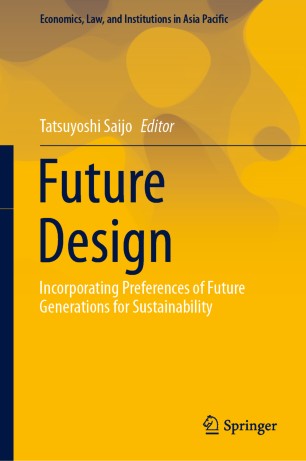
38 reviewsThis book discusses imaginary future generations and how current decision-making will influence those future generations. Markets and democracies focus on the present and therefore tend to make us forget that we are living in the present, with ancestors preceding and descendants succeeding us. Markets are excellent devices to equate supply and demand in the short term, but not for allocating resources between current and future generations, since future generations do not exist yet. Democracy is also not “applicable” for future generations, since citizens vote for candidates who will serve members of their, i.e., the current, generation. In order to overcome these shortcomings, the authors discusses imaginary future generations and future ministries in the context of current decision-making in fields such as the environment, urban management, forestry, water management, and finance. The idea of imaginary future generations comes from the Native American Iroquois, who had strong norms that compelled them to incorporate the interests of people seven generations ahead when making decisions.