logo

EbookBell.com

Most ebook files are in PDF format, so you can easily read them using various software such as Foxit Reader or directly on the Google Chrome browser.
Some ebook files are released by publishers in other formats such as .awz, .mobi, .epub, .fb2, etc. You may need to install specific software to read these formats on mobile/PC, such as Calibre.

Please read the tutorial at this link:  https://ebookbell.com/faq 


We offer FREE conversion to the popular formats you request; however, this may take some time. Therefore, right after payment, please email us, and we will try to provide the service as quickly as possible.


For some exceptional file formats or broken links (if any), please refrain from opening any disputes. Instead, email us first, and we will try to assist within a maximum of 6 hours.

EbookBell Team
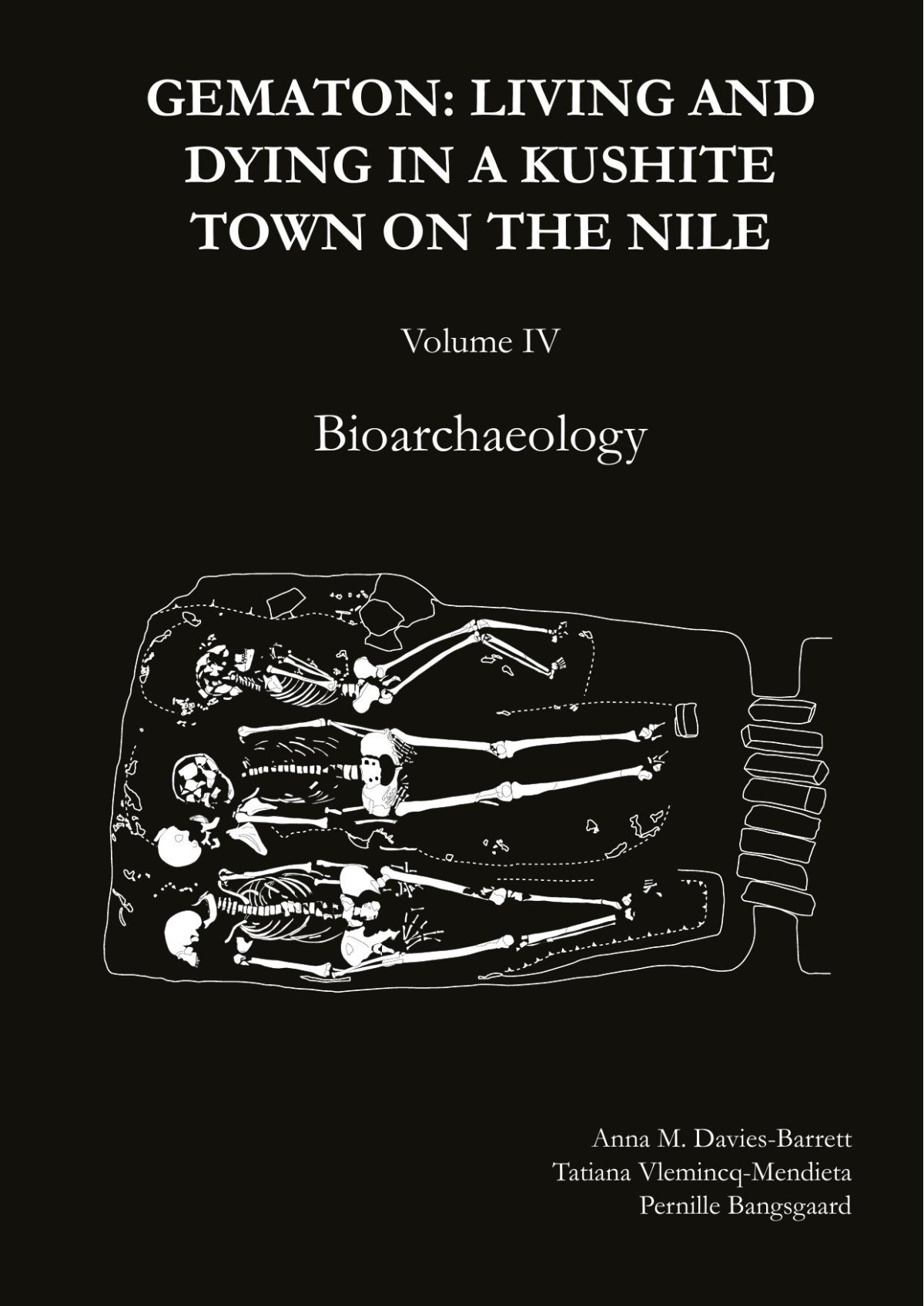
Gematon Living And Dying In A Kushite Town On The Nile Volume Iv Bioarchaeology Anna M Daviesbarrett

  • SKU: BELL-239914856
Gematon Living And Dying In A Kushite Town On The Nile Volume Iv Bioarchaeology Anna M Daviesbarrett
$ 35.00 $ 45.00 (-22%)

5.0

38 reviews

Gematon Living And Dying In A Kushite Town On The Nile Volume Iv Bioarchaeology Anna M Daviesbarrett instant download after payment.

Publisher: Archaeopress Publishing Ltd
File Extension: PDF
File size: 7.63 MB
Pages: 223
Author: Anna M. Davies-Barrett, Tatiana Vlemincq-Mendieta, Pernille Bangsgaard
ISBN: 9781803278889, 9781803278872, 1803278889, 1803278870
Language: English
Year: 2024
Volume: 30

Product desciption

Gematon Living And Dying In A Kushite Town On The Nile Volume Iv Bioarchaeology Anna M Daviesbarrett by Anna M. Davies-barrett, Tatiana Vlemincq-mendieta, Pernille Bangsgaard 9781803278889, 9781803278872, 1803278889, 1803278870 instant download after payment.

This volume presents findings on the bioarchaeological remains from the Sudan Archaeological Research Society’s 1997-2018 excavations at Kawa, focusing on human and animal bones. Human skeletons were carefully excavated, documented, and preserved by physical anthropologists and local experts, while animal bones, though fragile and fragmented, were examined by archaeozoologists. Additional material, assessed post-publication of Volume I, is highlighted here for a comprehensive understanding of Kawa’s cemetery and broader archaeological context.