Most ebook files are in PDF format, so you can easily read them using various software such as Foxit Reader or directly on the Google Chrome browser.
Some ebook files are released by publishers in other formats such as .awz, .mobi, .epub, .fb2, etc. You may need to install specific software to read these formats on mobile/PC, such as Calibre.
Please read the tutorial at this link: https://ebookbell.com/faq
We offer FREE conversion to the popular formats you request; however, this may take some time. Therefore, right after payment, please email us, and we will try to provide the service as quickly as possible.
For some exceptional file formats or broken links (if any), please refrain from opening any disputes. Instead, email us first, and we will try to assist within a maximum of 6 hours.
EbookBell Team
4.1
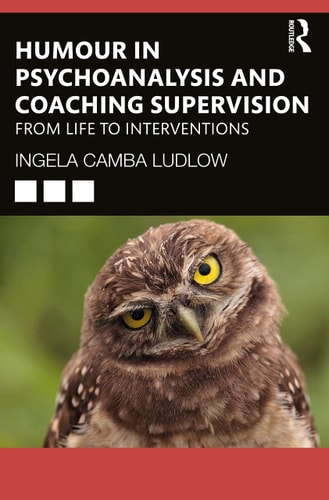
80 reviewsOften misunderstood and not accepted in the academic arena, chapters in Part 1 begin by looking at the history and evolution of humour from the Ancient Greeks to the modern age, distinguishing different types of humour from each other, such as wit, sarcasm and pantomime. Freud believed humour to be the highest mechanism of the human psyche and the book continues to examine his relationship and use of humour in psychotherapy, looking at his personal correspondence and patient testimonials as well as how his contemporaries, such as Bion, applied humour in their practice. Moving from theory to practice, chapters in Part 2 show practitioners through case studies, exercises and examples how they can use humour in sessions with clients. Specifically addressing how to use humour ethically, how to remain neutral as the coach and how to use humour to address anxiety, express anger and offer alternative rationalisations, this book provides coaches the practical tools to expand their coaching practice.
This interdisciplinary book will be essential reading for coaches, psychotherapists and counsellors looking to broaden their coaching supervision skill set, as well as those who are interested in how humour can promote personal and professional development through a psychoanalytic lens.