Most ebook files are in PDF format, so you can easily read them using various software such as Foxit Reader or directly on the Google Chrome browser.
Some ebook files are released by publishers in other formats such as .awz, .mobi, .epub, .fb2, etc. You may need to install specific software to read these formats on mobile/PC, such as Calibre.
Please read the tutorial at this link: https://ebookbell.com/faq
We offer FREE conversion to the popular formats you request; however, this may take some time. Therefore, right after payment, please email us, and we will try to provide the service as quickly as possible.
For some exceptional file formats or broken links (if any), please refrain from opening any disputes. Instead, email us first, and we will try to assist within a maximum of 6 hours.
EbookBell Team
4.0
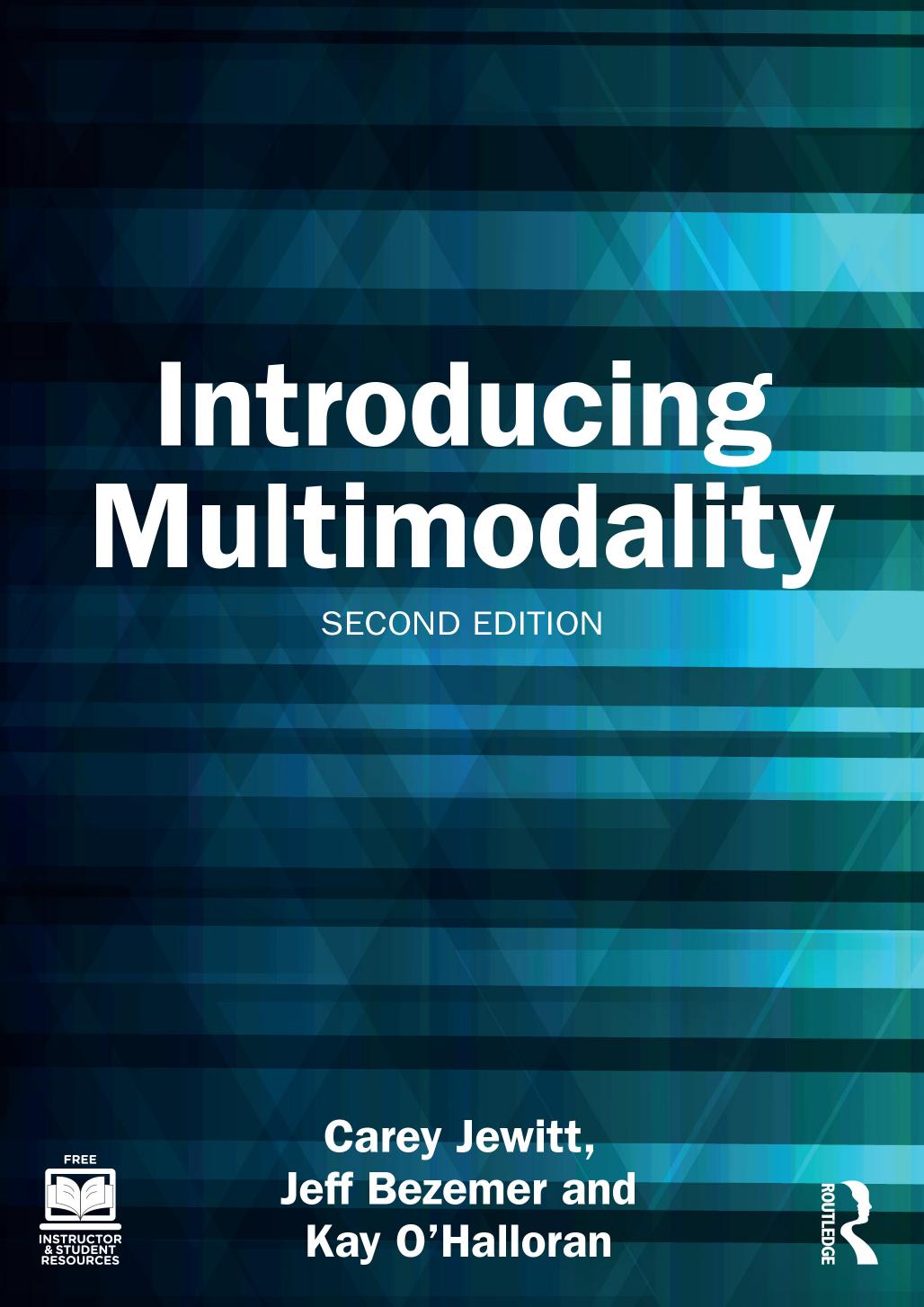
6 reviewsReaders will become familiar with the key concepts and methods in various domains while learning how to engage critically with the notion of multimodality. Now fully revised to engage with new research, include new case studies and present a more global outlook, the book challenges widely held assumptions about language and presents the practical steps involved in setting up a multimodal study, including:
+ formulating research questions
+ collecting research materials
+ assessing and developing methods of transcription
+ considering the ethical dimensions of multimodal researchWith a wide range of examples, clear practical support and a glossary of terms, Introducing Multimodality is the ideal reference for undergraduate and postgraduate students in multimodality, semiotics, applied linguistics and media and communication studies. Online materials including an updated study guide, exercises and links to relevant resources are available on the Student and Instructor website at www.routledge.com/cw/jewitt and the Routledge Language and Communication Portal.