Most ebook files are in PDF format, so you can easily read them using various software such as Foxit Reader or directly on the Google Chrome browser.
Some ebook files are released by publishers in other formats such as .awz, .mobi, .epub, .fb2, etc. You may need to install specific software to read these formats on mobile/PC, such as Calibre.
Please read the tutorial at this link: https://ebookbell.com/faq
We offer FREE conversion to the popular formats you request; however, this may take some time. Therefore, right after payment, please email us, and we will try to provide the service as quickly as possible.
For some exceptional file formats or broken links (if any), please refrain from opening any disputes. Instead, email us first, and we will try to assist within a maximum of 6 hours.
EbookBell Team
0.0
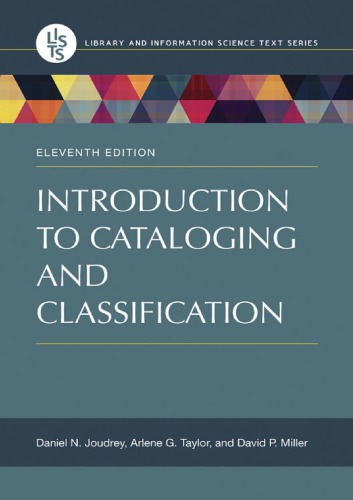
0 reviewsNot many books merit an eleventh edition, but this popular text does. Newly updated, Introduction to Cataloging and Classification provides an introduction to descriptive cataloging based on contemporary standards, explaining the basic tenets to readers without previous experience, as well as to those who merely want a better understanding of the process as it exists today. The text opens with the foundations of cataloging, then moves to specific details and subject matter such as Functional Requirements for Bibliographic Records (FRBR), Functional Requirements for Authority Data (FRAD), the International Cataloging Principles (ICP), and RDA.
Unlike other texts, the book doesn't presume a close familiarity with the MARC bibliographic or authorities formats; ALA's Anglo-American Cataloging Rules, 2nd Edition, revised (AACR2R); or the International Standard Bibliographic Description (ISBD). Subject access to library materials is covered in sufficient depth to make the reader comfortable with the principles and practices of subject cataloging and classification. In addition, the book introduces MARC, BIBFRAME, and other approaches used to communicate and display bibliographic data. Discussions of formatting, presentation, and administrative issues complete the book; questions useful for review and study appear at the end of each chapter.
• Delineates the new cataloging landscape
• Shares a principles-based perspective
• Provides introductory text for beginners and intermediate students
• Emphasizes descriptive and subject cataloging, as well as format-neutral cataloging
• Covers new cataloging rules and RDA