logo

EbookBell.com

Most ebook files are in PDF format, so you can easily read them using various software such as Foxit Reader or directly on the Google Chrome browser.
Some ebook files are released by publishers in other formats such as .awz, .mobi, .epub, .fb2, etc. You may need to install specific software to read these formats on mobile/PC, such as Calibre.

Please read the tutorial at this link:  https://ebookbell.com/faq 


We offer FREE conversion to the popular formats you request; however, this may take some time. Therefore, right after payment, please email us, and we will try to provide the service as quickly as possible.


For some exceptional file formats or broken links (if any), please refrain from opening any disputes. Instead, email us first, and we will try to assist within a maximum of 6 hours.

EbookBell Team
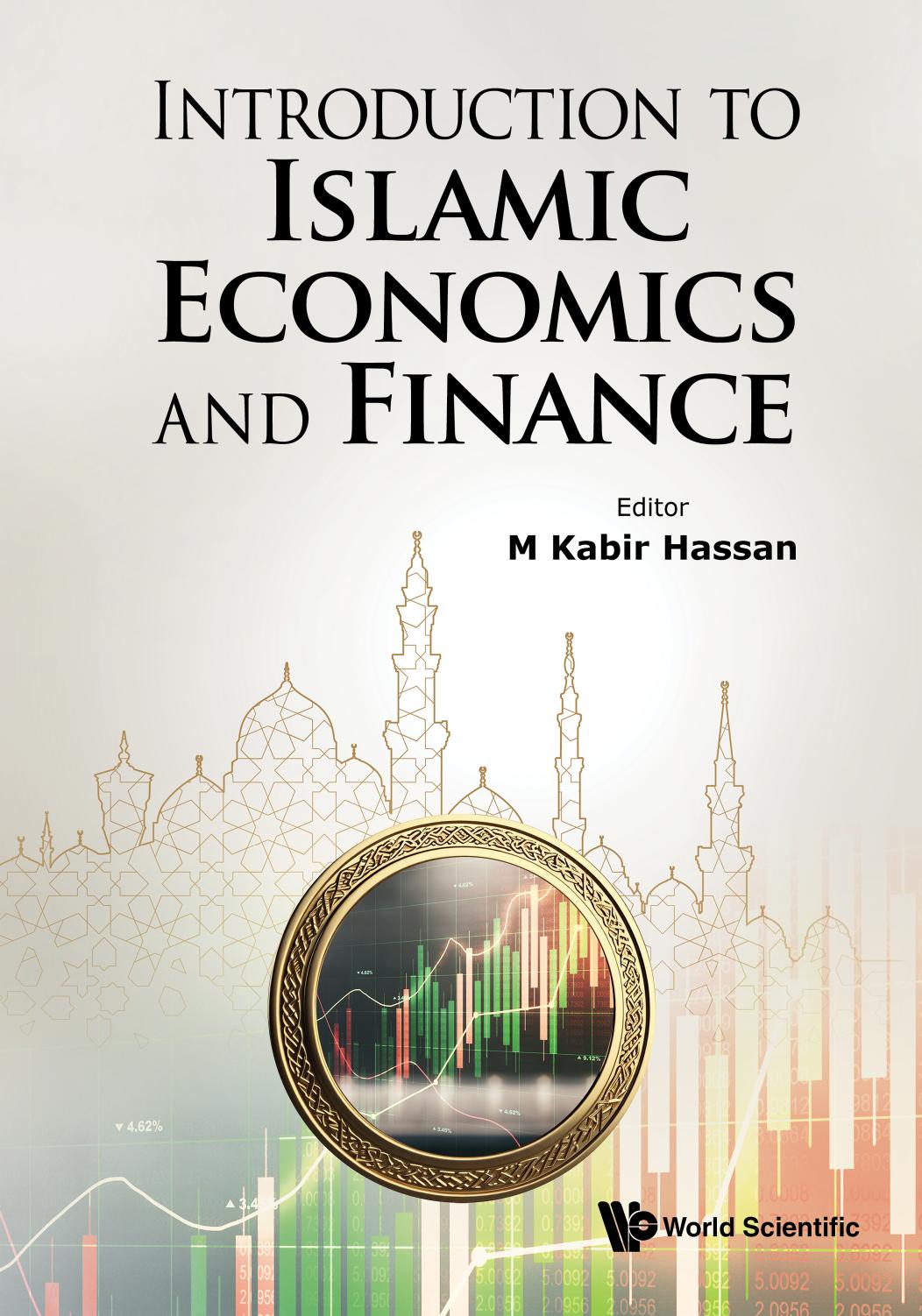
Introduction To Islamic Economics And Finance M Kabir Hassan

  • SKU: BELL-238020962
Introduction To Islamic Economics And Finance M Kabir Hassan
$ 35.00 $ 45.00 (-22%)

0.0

0 reviews

Introduction To Islamic Economics And Finance M Kabir Hassan instant download after payment.

Publisher: World Scientific
File Extension: PDF
File size: 17.73 MB
Pages: 551
Author: M Kabir Hassan
Language: English
Year: 2025

Product desciption

Introduction To Islamic Economics And Finance M Kabir Hassan by M Kabir Hassan instant download after payment.

This book - a collection of papers from a special issue on Islamic Economics and Finance (IEF) published in the Singapore Economic Review - focuses on providing financial services to the growing Muslim population based on Islamic principles, particularly the prohibition of interest-based transactions. The IEF industry has seen significant growth over the last two decades, primarily driven by the growth of Islamic banking. However, it has faced various challenges including competition from traditional finance, regulatory and accounting issues, harmonization of practices, and the impact of global crises.
The collection highlights inconsistent findings on the performance of Islamic financial institutions compared to conventional banks, and the need to explore new dimensions beyond just comparisons. Lastly, it also emphasizes the importance of expanding Islamic finance beyond banking into non-banking sectors and using technology to improve financial inclusion. In conclusion, there is a noteworthy dominance of Islamic banking (over 70% of IEF activities) and research needs on leveraging fintech, automation and blockchain to expand the scope of Islamic finance.
The volume provides an overview of the 20 papers included in the special issue, which are divided into five themes: (1) Islamic finance and disclosure governance, (2) market volatility linkages in Organization of Islamic Cooperation nations and institutions, (3) financial inclusion, efficiency, and growth in Islamic banks, (4) risk metrics of novel Islamic finance instruments, and (5) contemporary research applications.